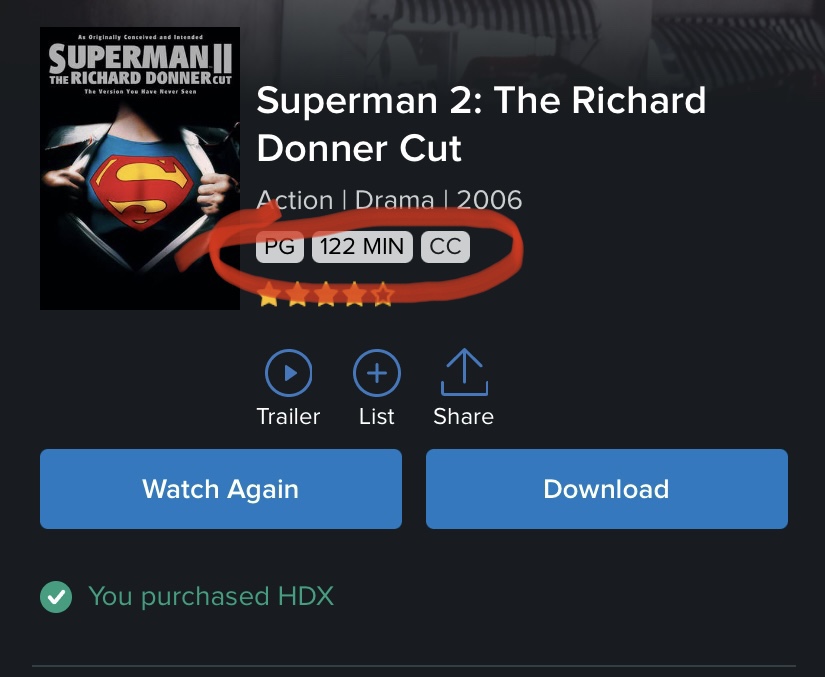
So far I have addressed the differences between both versions of Superman II: The Richard Donner Cut and referenced the specific differences between the 116-minute version that was released on DVD, HD-DVD, and Blu-ray in 2006 and the longer 122-minute version that was released on multiple streaming platforms in 2015, focusing primarily on the footage and the audio revisions in said footage.
Now we come to the back story behind it all.
“There are questions to be asked, and it is time for you to do so…. we shall try to find the answers together..”
Altogether, the cuts made to the film total seven minutes, 50 seconds in length, with 1:13 of the footage shot by Richard Donner at Shepperton Studios in May 1977, and the remaining six minutes, 37 seconds of footage shot by Richard Lester at Pinewood Studios in 1979.
It brings us to the first question: why were the cuts made to the film?
The obvious observation goes back to the difference in directors and footage. By the time shooting on Superman II had been halted in October 1977, Dick Donner had shot approximately 81 percent of the film at the same time (including all outtakes and alternate takes that appeared in the theatrical and extended TV versions). The remaining scenes that had yet to be filmed by that point included the final version of Lois tricking Clark into becoming Superman, the villains’ rampage through the world, any remaining scenes of Superman and Lois in the Fortress, and the majority of the showdown in Metropolis. In order to meet its release date, Donner and company worked on completing the first Superman film, including moving the ending of II onto the first film. He and Tom Mankiewicz agreed that they would figure out a new ending to II once they returned to work on the sequel.
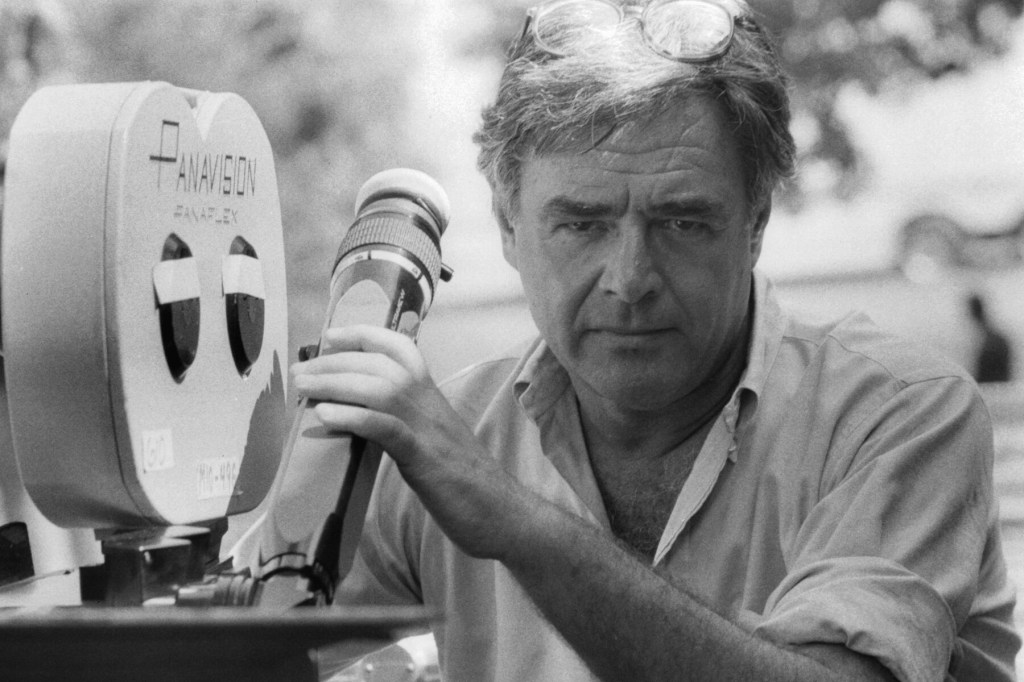
And then in 1979 came the ill-fated telegram from the Salkinds. “Beware the ides of March,” the saying goes. Richard Donner was out, and Richard Lester took over as director. Donner had felt betrayed by Lester, with whom he had developed a cordial friendship during filming on Superman. Even when Lester had volunteered to help Donner shoot scenes on the first film, Donner turned down his offer, and Lester backed off, but the two remained on good terms during shooting.
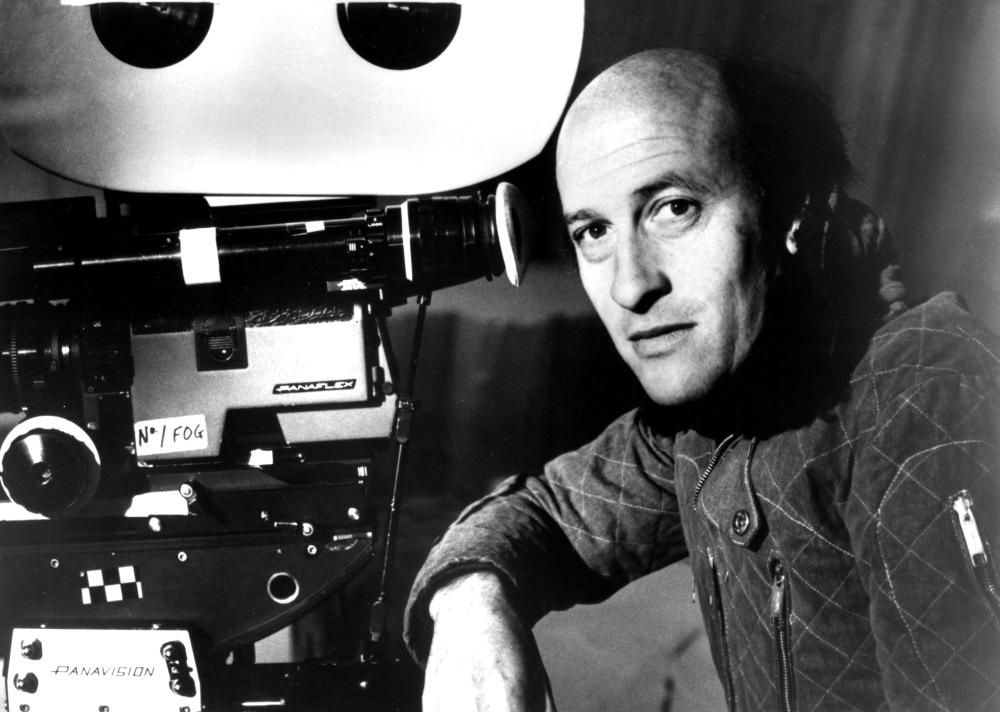
Lester would not only reshoot a number of scenes but also film a number of scenes that Donner had intended to shoot – including Lois tricking Clark into becoming Superman, the scenes at Niagara Falls, the villains’ rampage, and the battle in Metropolis. In addition, Lester and the Salkinds shelved all of Marlon Brando’s footage for the sequel, replacing him with Susannah York in two key scenes at the Fortress of Solitude. The Salkinds cited the removal of the Brando footage as necessary in order to tighten the growing budget of the films, which had already grown to approximately $55 million at the time.
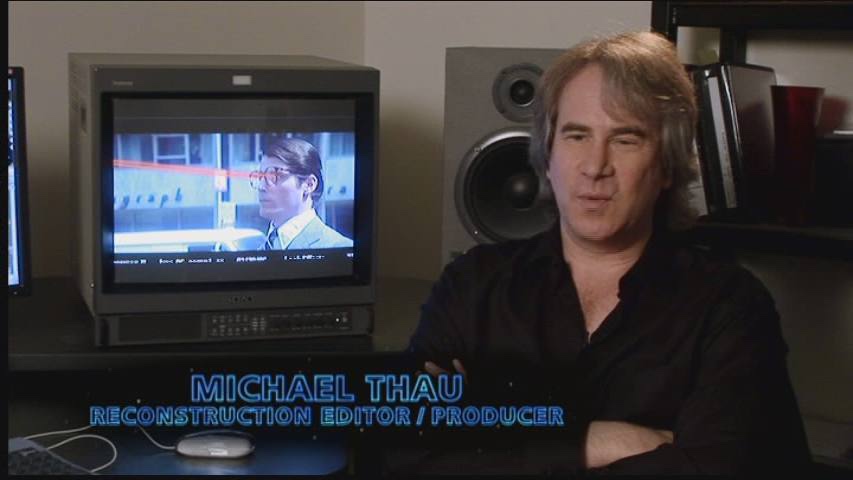
In assembling the Donner Cut, Donner and film restoration producer/editor Michael Thau had to eventually deal with the Lester footage. There was simply no choice. According to Thau, “he didn’t want to deal too much with the Lester scenes that needed to be left in to make a complete story. But I realized after a while that he had been familiar with those scenes, and they hurt him. I think that was a sore spot.”
This is further reinforced by a 1998 interview with Richard Lester on American Movie Classics, at the time the network premiered Superman II in widescreen format, in which he referred to it as “his” film without acknowledging any of Donner’s work at all. In turn, in all interviews and promotional materials for the Donner Cut, Donner would never refer to Lester by name, referring to Lester instead as “another director” or “a fellow, I forget his name on purpose”. Even in the end credits, Lester’s name is purposely left off the credits, though the majority of the credits is repurposed from the theatrical version.
Once Michael Thau completed the 122-minute cut of the film, and once it received approval from the Motion Picture Association of America, it becomes evident that Donner requested more cuts to the film, with an apparent intention to dial down as much emphasis on the Lester footage without sacrificing coherence to the overall story. This resulted in the loss of six minutes of Lester footage in the middle of the film, leaving the final edits awkward at times, but coherent enough for viewers to enjoy the film and understand those scenes. As for the edits to Donner’s Fortress footage, one can only conclude that it was to distinguish the scene from the theatrical version and the extended TV broadcast (which had no directorial input).
Which brings us to the next question: what happened to this print of the film, and why was it never released on DVD and Blu-ray?
Once the final edits were made to the main and end title credits, and once the final version of the film was prepared for DVD and Blu-ray release, it obviously became clear that it would was not necessary to release a second cut of the film at the same time. (A similar situation occurred in 1984 when Supergirl was released in the United States with a running length of 105 minutes, while at the same time a 124-minute version of the film was issued on videotape in Japan.) Because Donner did not approve of this version of the film, it was shelved in the vaults at Warner Bros.
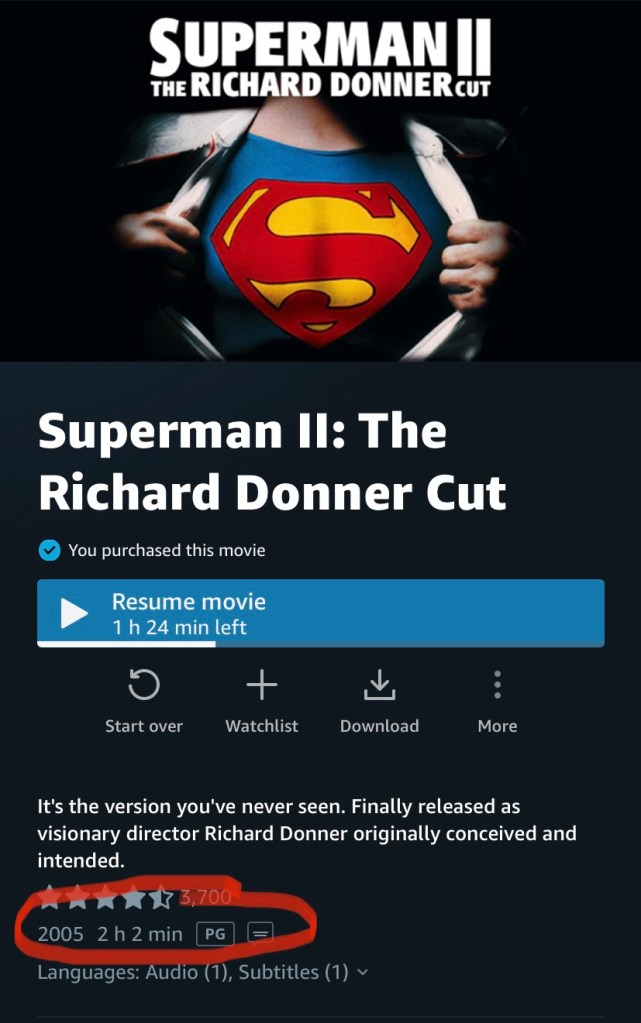
However, by 2015, with the advent of digital streaming services, this 122-minute cut of the film soon became available on Amazon and Vudu and would eventually follow on Fandango Now, Google Play Movies, and Microsoft Movies and TV. Only iTunes and Movies Anywhere would not follow suit, streaming the 116-minute version instead. (On Movies Anywhere, the title cards appearing before the Warner Bros. logo would be omitted from the film.) Why Vudu would alternate between the 116-minute version and the 122-minute version is beyond me. As of this writing, Vudu and Amazon currently carry the 122-minute cut.
Since the release of the Richard Donner Cut of Superman II, no less than three films in a consecutive three-year period also experienced changes in directors, resulting in much of their original footage being shelved in favor of the final version of each respective film. There was Rogue One: A Star Wars Story in 2016, with a significant portion of Gareth Edwards’ original cut reshot by Tony Gilroy. The following year, Zack Snyder would leave Justice League, Joss Whedon would take over, and the final film was a critical and commercial disaster. Snyder would later return to the film and bring his project to completion in a four-hour cut for HBO Max in 2021. And in 2018, we had Solo: A Star Wars Story, in which Ron Howard had reshot over 80 percent of the film originally shot by Phil Lord and Chris Miller, which was also a commercial box office failure. In the case of the Star Wars spinoff films, the original footage remains locked away in the Lucasfilm studio vaults, and fans have called for the studios to release the original directors’ versions of both films to this date.
In recent years we have seen multiple versions of films released in comprehensive collections for fans to enjoy and compare. It is not uncommon for two or three versions of a film to be collected on DVD, Blu-ray, or 4K in a single package. Films such as Robert Wise’s Star Trek: The Motion Picture, James Cameron’s Terminator 2: Judgment Day, Ridley Scott’s Blade Runner, Terry Gilliam’s Brazil, Steven Spielberg’s Close Encounters of the Third Kind, and Orson Welles’ Mr. Arkadin (aka Confidential Report) immediately come to mind. Other films like Fritz Lang’s Metropolis and the original Star Wars trilogy have had multiple versions released on disc, but in separate releases. Even the first Superman film has seen all of its versions issued on disc but in separate individual releases.
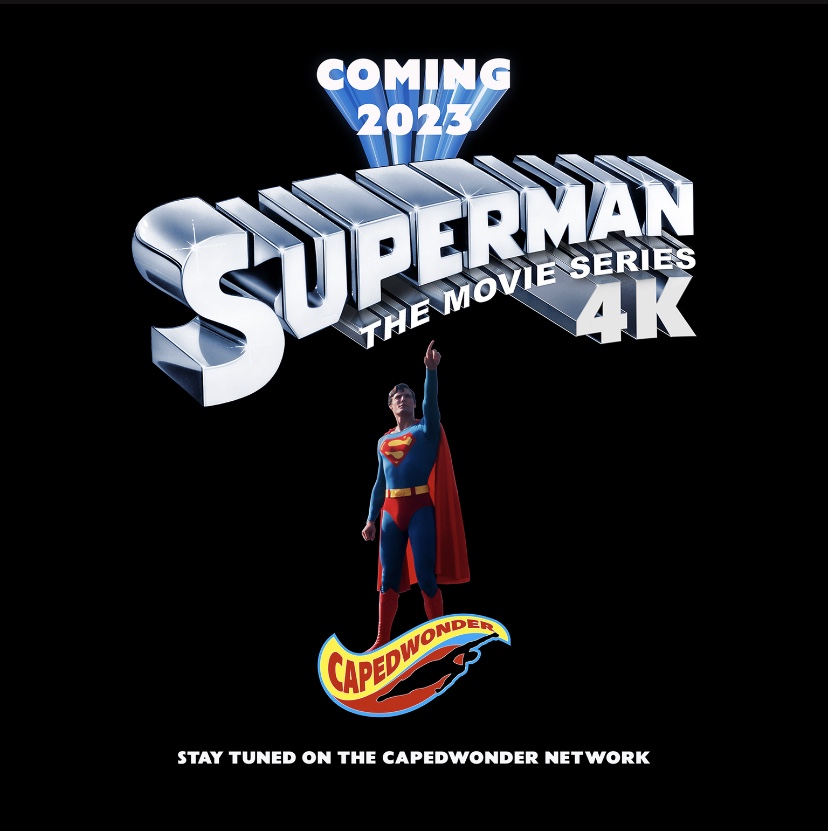
Perhaps one day we will see a comprehensive collection of all four versions of Superman II gathered together in one complete package. With the recent announcement of the four Superman films coming to 4K in 2023, anything is possible. Or maybe a Warner Archive release. It’s still too early to tell.
For now, another piece of the mystery that is Superman II has been confirmed, giving film students and fans further reason to study and research both Richard Donner’s and Richard Lester’s footage, and to appreciate the film for what it is, pluses and minuses included.
Special thanks to Brad Day and George Noriega for valuable information, and many special thanks to Jim Bowers for your friendship and assistance in this research.
 Superman: The Blog