If the buildup in marketing and promoting a film the size and scale of Superman: The Movie didn’t already have enough history leading up to the release of the film, what came next was equally massive and strategic to the success of the film.
One of the most important marketing aspects of the film would come in the development of a new logo. Andrew Fogelson had met with Steven Frankfurt of Frankfurt Communications to handle specific advertising aspects for the film. Frankfurt and his team would design a modernized clear crystalline version of the Superman logo, one that would play a critical role in the final months leading up to the film’s release and afterwards. The logo would, of course, be modified for the three sequels to follow in the 1980s. Another development came with a new crystalline S shield, which would play an important role in the film’s theatrical poster and the later sequels. Today the crystalline logo and S shield continue to be recognized as two of the most important logos in film history.
From there the marketing of Superman: The Movie would come at a rapid pace. There were the books. Warner Books would release three separate mass market paperbacks at the beginning of November, a month before the film’s release. There was an original novel by Elliot S. Maggin, Superman: Last Son of Krypton, which recounted the character’s origins in a new and refreshing way. It also included eight pages of photographs from the film. (In some of the marketing advertisements for the publications, a novelization of the film by Anthony Cleary was advertised. The novelization never happened, largely due to Mario Puzo’s contract clause specifying that none of his script concepts would be adapted into any form. The exact story behind the Cleary novelization remains unknown to this date.) Maggin would pen a follow-up, Superman: Miracle Monday, released in 1981 and timed to coincide with the release of Superman II. Novelizations of the Superman films would not occur until William Kotzwinkle’s adaptation of Superman III in 1983. Another paperback book, The Great Superman Quiz Book by Bruce Nash, gathered 45 separate trivia quizzes spanning the history of the character and the franchise.
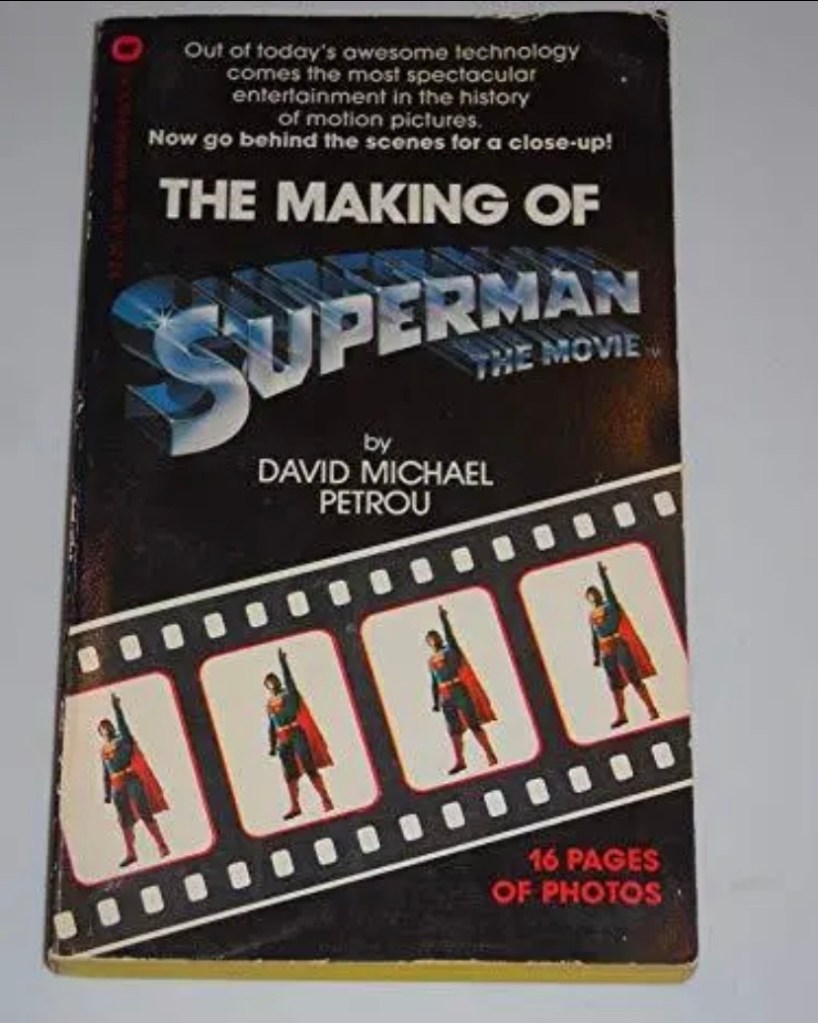
The third paperback book would prove to be the longest lasting and most influential publication on the film’s development. The Making of Superman: The Movie, written by David Michael Petrou, chronicled a three-year period from 1975 until the summer of 1978. Petrou was allowed unprecedented access to nearly every aspect of the production of the two films and interviewed all of the key players involved during the filming. To this day the book remains an essential part of the Superman saga.
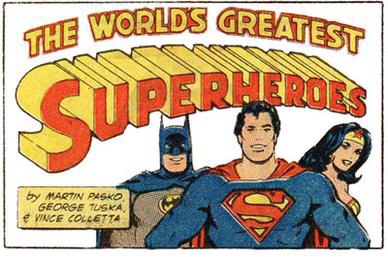
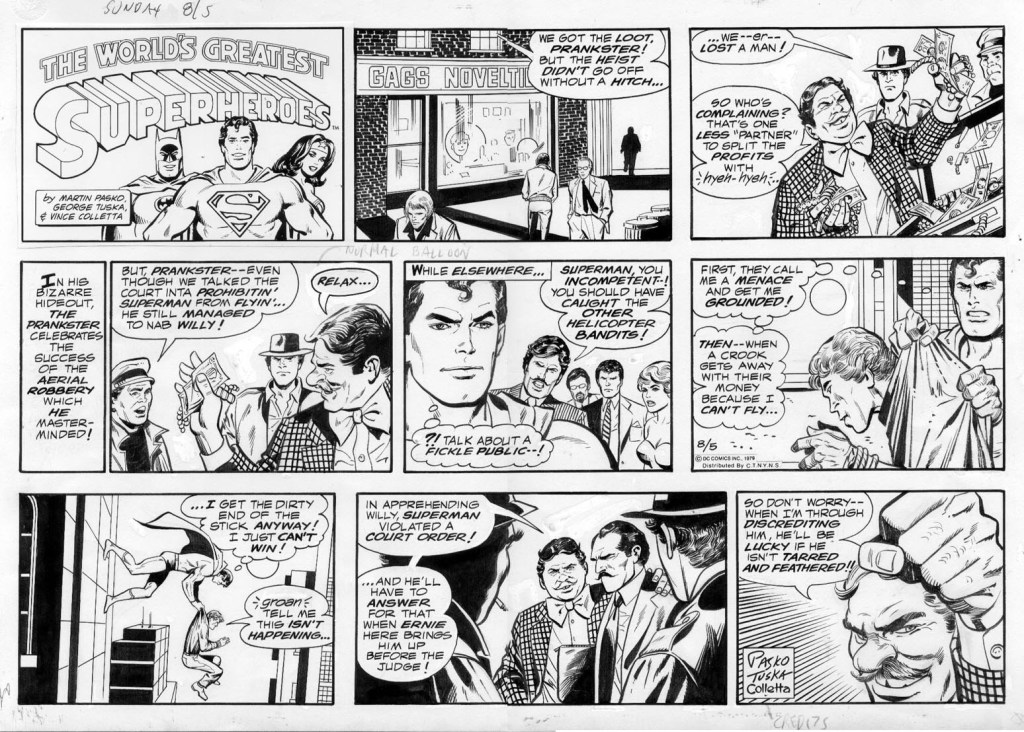
Beginning in April 1978, a new comic strip, “The World’s Greatest Superheroes” ran in daily newspapers across the United States. Written by Martin Pasko, and drawn by George Tuska and Vince Colletta, the daily strip followed the adventures of Superman and the Justice League as they went up against classic villains such as Vandal Savage and Lex Luthor and original villains seen for the first time in the comic strip.
To promote the release of Superman: The Movie, a Sunday strip appearing on 10 December, shortly before the film’s release, featured the Man of Steel flying through Metropolis and thinking, “I wonder what’s been happening since my absence.” As he flies past a movie theater, the marquee announces the release of the film, an effective promotional tool. The comic strip would eventually shift its focus to just Superman and run until 1985.
There were T-shirts. Factors Etc., Inc., which handled T-shirt transfers at the time, paid Warner Bros. approximately $150,000 for the licensing rights for Superman shirt transfers. After the licensee topped that figure in sales, it would pay the studio an additional ten cents per T-shirt transfer.
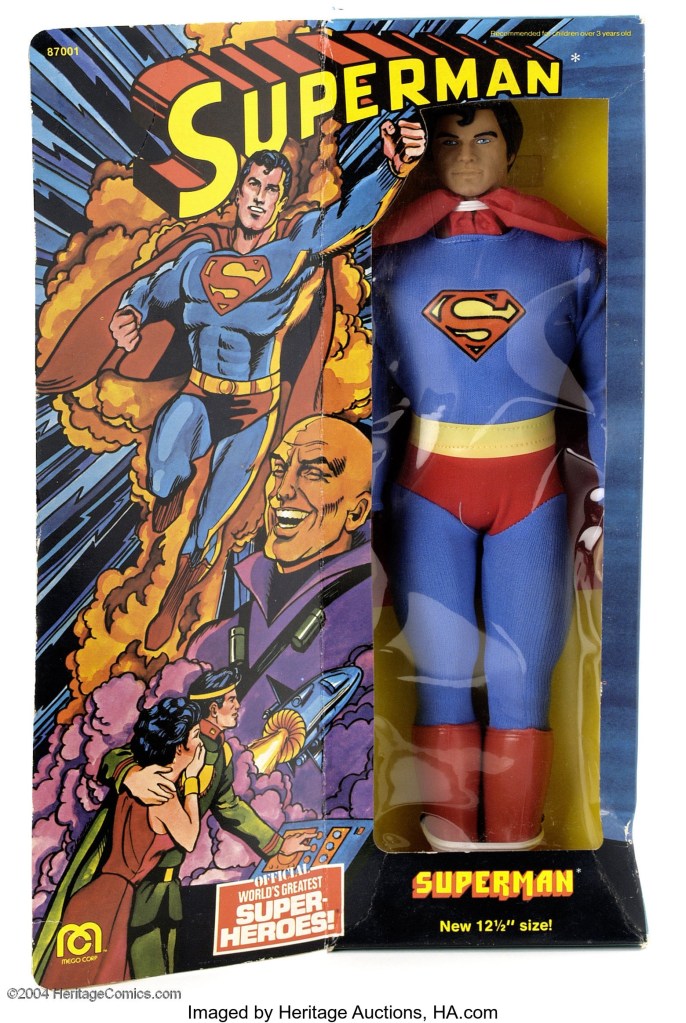
Mego, one of the leading toy manufacturers of the 1970s, had been producing action figures based on DC Comics, Marvel Comics, Star Trek, and Planet of the Apes, to name a few. In the marketing for Superman, they would produce four 12-inch action figures based on Superman, Lex Luthor, Jor-El, and General Zod. Only the Superman figure bore any resemblance to its film counterpart. The remaining characters were costumed after their comic book versions, even though the head of the Jor-El figure was clearly modeled to resemble Marlon Brando. Estimated sales figures for the line in 1979 was projected to be around $30 million.
One of the newest companies in the gaming field, Atari, had been in talks to produce a Superman pinball game for arcades. A few years later, Atari would release an 8-bit Superman home video game for its Atari 2600 gaming console. They would also contribute simulated video game footage for Superman III in 1983.
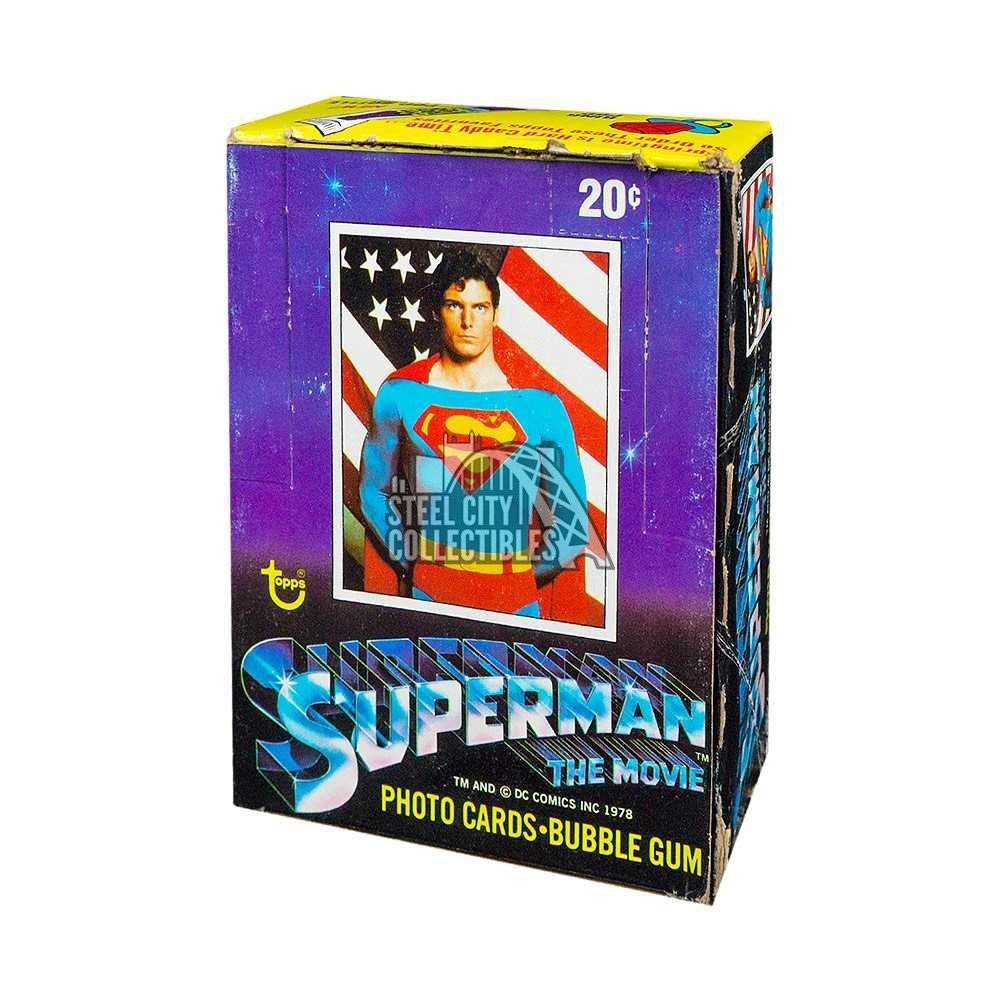
During the 1970s, Topps had begun to branch out from its years of manufacturing sports cards and produce non-sports card lines. After scoring a major success with its five series of Star Wars trading cards and stickers, Topps would produce two lines of cards and stickers based on the first Superman film. (And how many of you were fortunate to get those uncut poster sheets?) They would return to produce additional card and stickers sets based on the second and third Superman movies.
Thought Factory acquired the license to produce a series of posters based on the film. The success of the posters far exceeded the initial supply, and the company would produce an astounding 12 million posters. There was exposure in grocery stores, fashion racks, toy store counters, bookstores, sporting goods stores, and department stores, with floor display units and smaller counter units in stores. Lifelike cardboard figures of Superman were displayed in windows across the country. Everything conceivable was marketed with the Superman logo and images. Lunch boxes, cereal bowls, cups, glasses, jigsaw puzzles, kid’s costumes, peanut butter, bubble bath decanters, house slippers, underwear – you name it, they marketed it.
Licensing Corporation of America (LCA), a division of Warner Bros., regularly received at that time six percent of the wholesale price of all toys, novelties, and clothing items bearing Superman’s image. With the release of the film, it would receive an additional 2.5 percent cut of the film’s box office gross returns. They had to renegotiate with some of the licensees to use Christopher Reeve’s likeness as Superman. Marlon Brando and Gene Hackman, however, were unwilling to take part in licensing agreements. This explains why, in the Mego action figure line, for example, why the Jor-El and Lex Luthor figures did not resemble their film counterparts.
Warner Bros. executives estimated that by the time of the film’s premiere in December 1978, exposure of Superman: The Movie would have been brought to the public’s attention approximately 6.6 billion times, including the marketing from all of its subsidiaries.
But the most important and critical pieces of the marketing and advertising campaign would come back to the theatrical trailers and film posters. After the successful teaser trailer in January, more trailers would naturally have to follow. It would not be until the middle of September 1978, three months before the film’s release, that a series of proof of concept trailers were first developed. Two of them would incorporate John Williams’ musical score, some cues of which were not recorded until then, before a final decision was made which would become the final theatrical trailer released to movie theaters around the world.
From there, TV spots promoting the film were also developed. It was decided at the time that none of the TV spots would feature Superman flying, that the mystique of the film had to be preserved. Ultimately, one of the spots would feature the Man of Steel in flight (which would be included on the 2001 DVD and future video release). It was estimated that Warner Bros. spent several million dollars alone in television advertising between December 9, 1978, and New Year’s Day 1979.
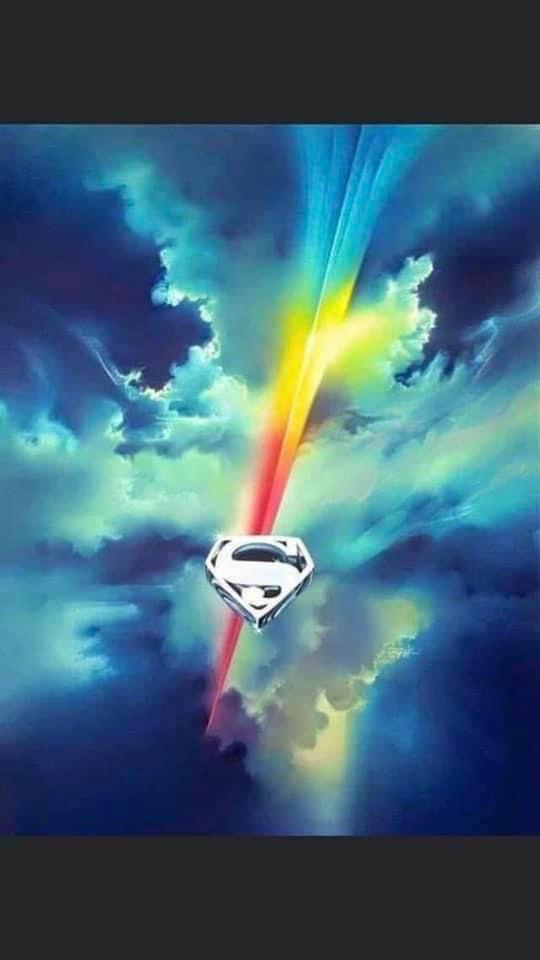
At the same time, cinema artist Bob Peak designed three concept posters before one was ultimately selected: a simple poster of a streak of red, blue, and yellow through the clouds. The “less is better” approach worked, and the poster remains one of the most iconic theatrical posters in film history.
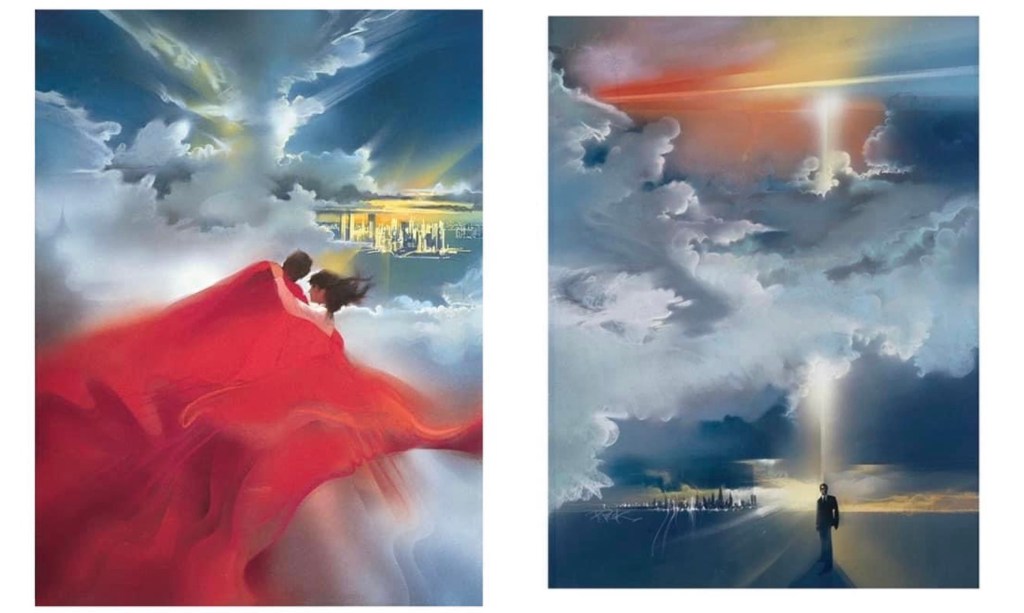
Between the trailers and film posters, one final decision had to be made: The final tagline that would become synonymous with the film. During the film poster development process, numerous taglines were conceived, but ultimately it came to a decision, one of which was used throughout the concept trailers. According to Sid Ganis, vice president of worldwide advertising and publicity for Warner Bros., “‘This Christmas, Superman brings you the gift of flight’ – that has a certain majesty to it. And then there’s ‘The Man of Steel is real’, a little more frivolous, if you will, a little lighter. We must convince people that this is not the comic book, this is not the television show, this is a brand new and very exciting Superman.”
With only a month to go before the film’s release, it looked like “Superman brings you the gift of flight” would be the advertising theme. But it would change once again. With the blessing and approval of Allan Freeman, the vice president for advertising and publicity planning, the final tagline would become, “You’ll believe a man can fly.” By now it was too late to change the theatrical trailer, but it would be included in the TV spots and the final Bob Peak poster artwork.
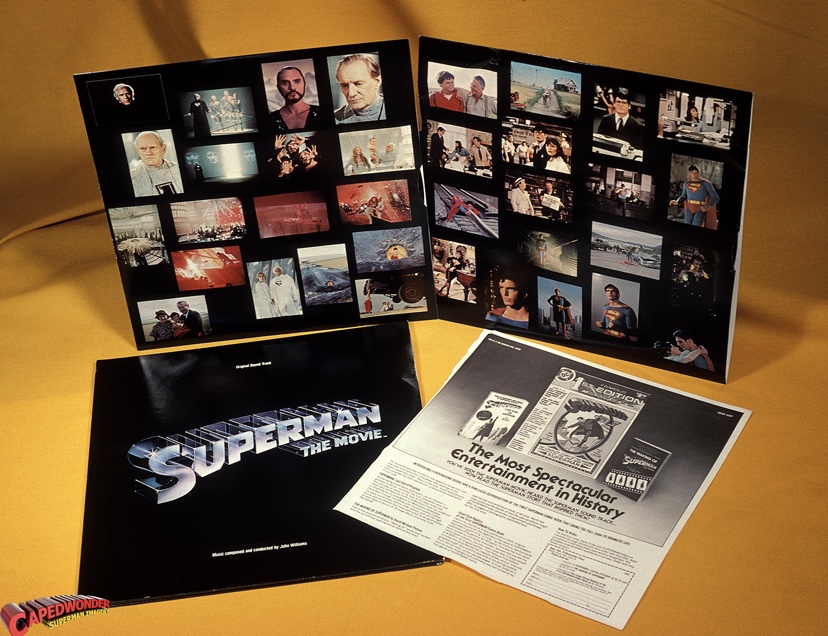
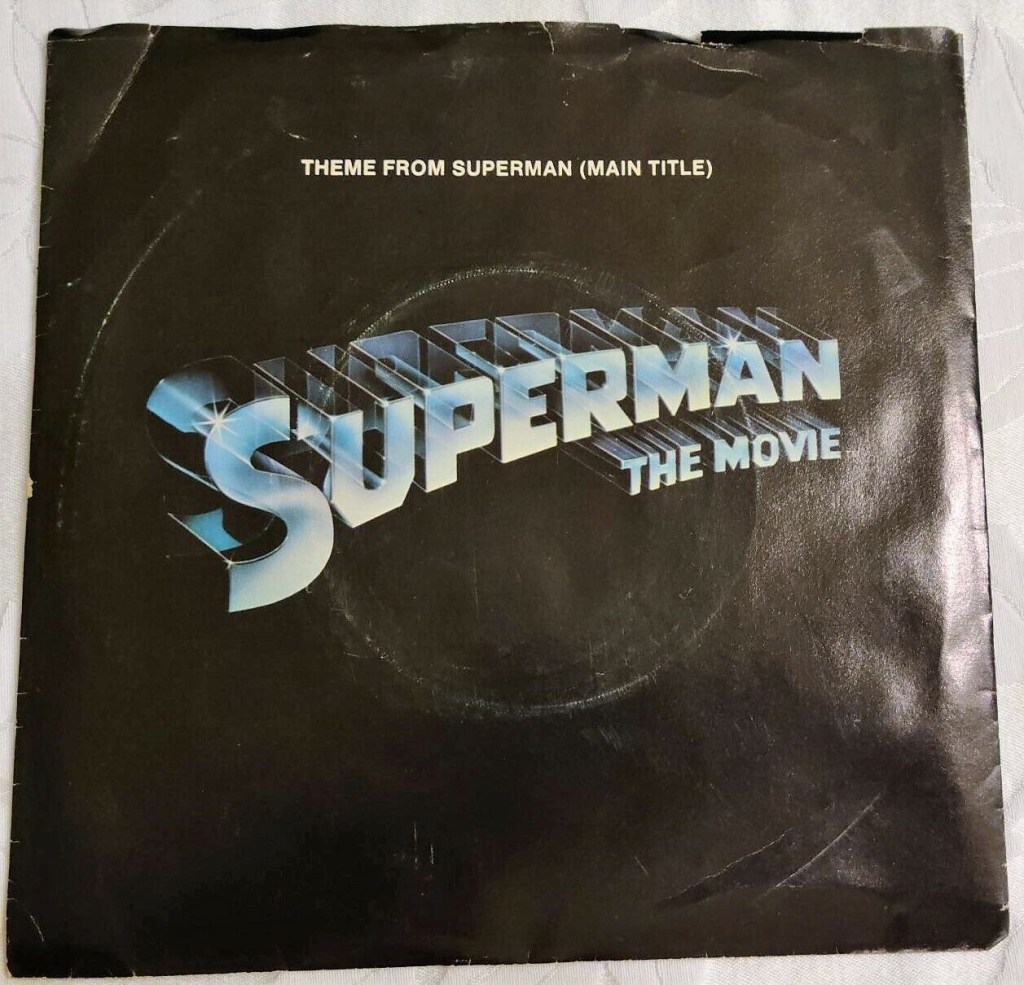
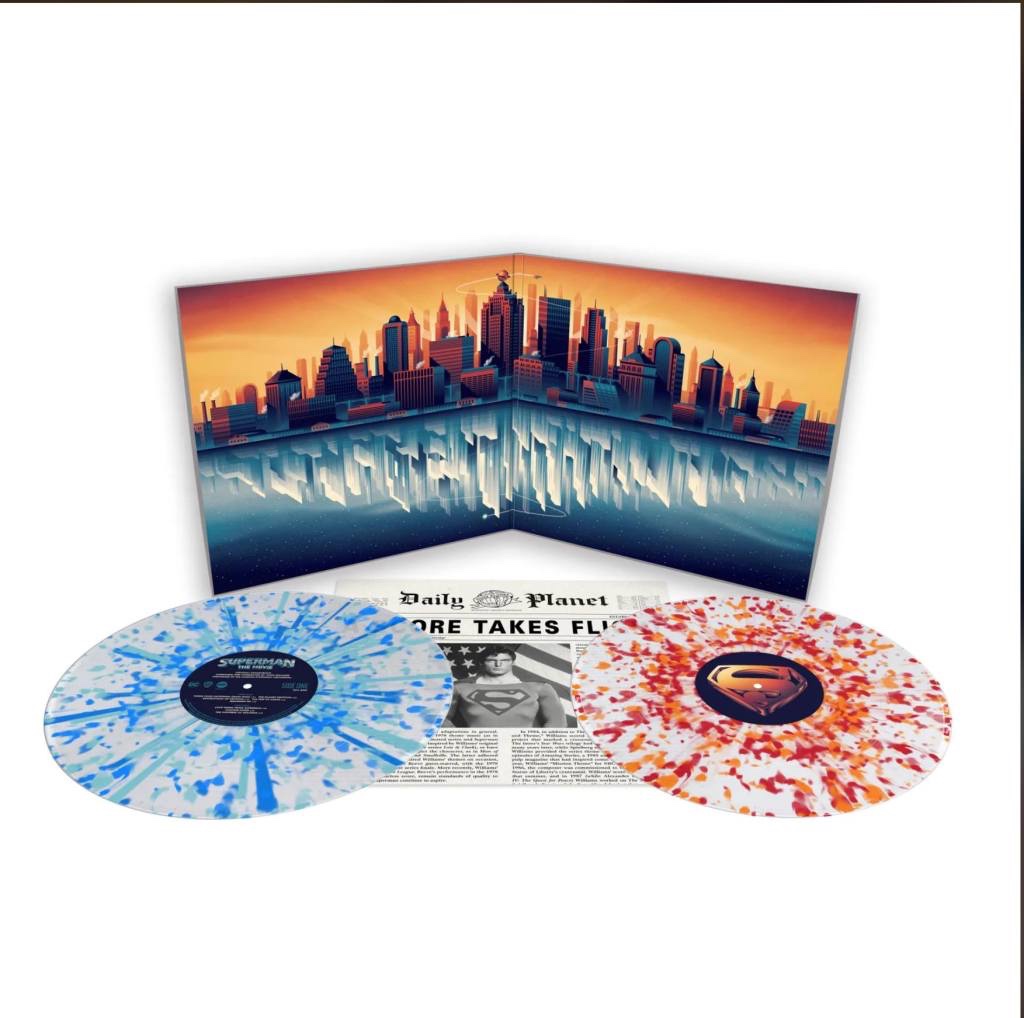
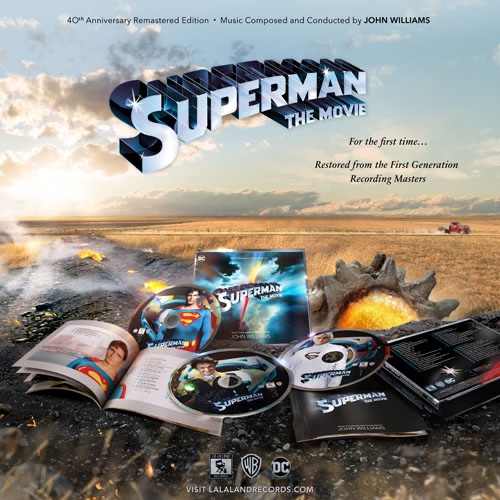
One of the last pieces of the 1978 marketing campaign would come with the release of John Williams’ score in a two-disc soundtrack album, which would mirror his equally successful soundtrack to Star Wars the year before. Of the music, some 77 minutes was selected for the final album. In addition, Warner Records would release a 45 RPM single of an edited version of the film’s main title and the love theme for radio airplay and sales in stores.
Upon the film’s release on December 15, 1978, the exposure to the film had proven itself successful. The film would be one of the most successful in film history, dominating the top of the box office for thirteen consecutive weeks. But the marketing of Superman: The Movie would not end with the film’s release. It was about to pick up speed in 1979.
The week of January 1st saw the release of six more products from Warner Books. There was the Superman 1979 calendar, with full color images from the film. The was the Great Superman Book, an encyclopedic history of the character written by Michael Fleischer that looked at the past forty years of the character. There were the Superman Blueprints, a reproduction of blueprints of some of the amazing sets from the film. There was also the Superman Portfolio, a collection of fifteen prints painted by Jim Dietz that reproduced some of the most memorable moments from the film. There was also the Superman Cutouts, a collection of three diorama scenes which fans could color and assemble. And there was also the Superman Telephone Book, where people could collect names, addresses, and phone numbers.

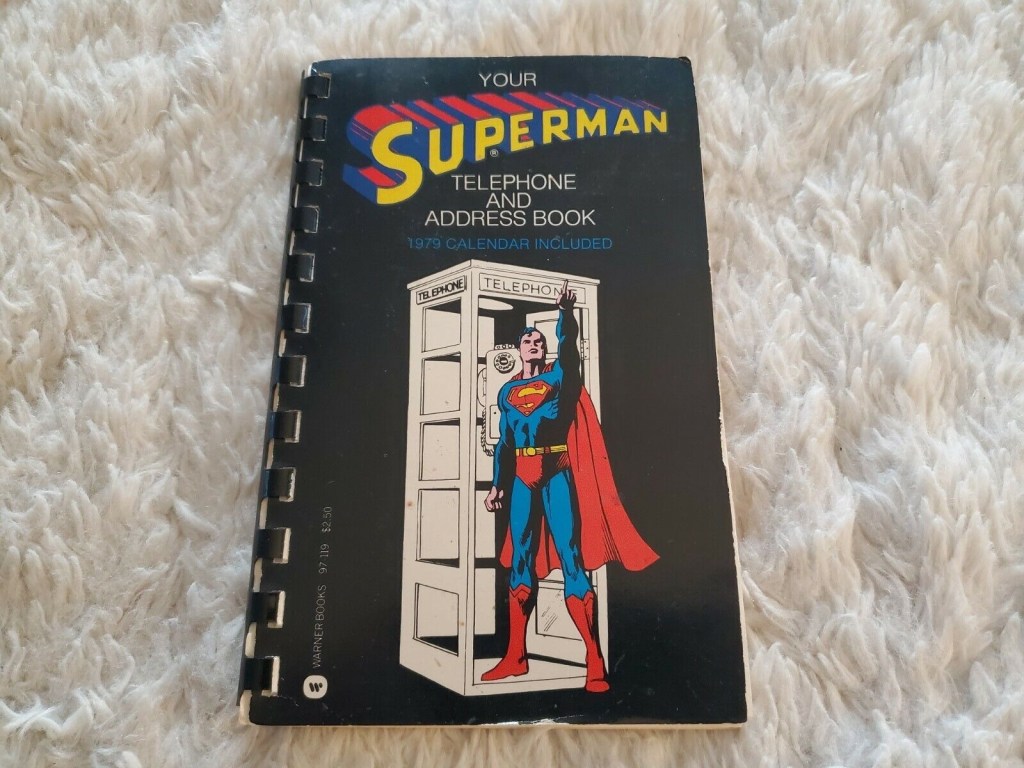
Altogether, the advertising for the film’s album, books, and numerous tie-ins totaled in the millions of dollars, with Warner Bros. receiving its share of the profits. And the more successful the film, the more successful the marketing was in turn.
And there would be home movies, both in eight- and 16-millimeter silent and sound formats. In the days before home video became a household name, the only way to watch movies any time at home was on a home movie projector. There would also be the first VHS and Betamax releases of the film in an edited format, with the film sped up and some scenes and the end credits edited to fit the film onto a single videotape. This was simply the technology of the time.
As the years progressed, so did the marketing of the Superman character and movies. There would be balloons at the Macy’s Thanksgiving Day parade, breakfast cereals, Hot Wheels cars, Kryptonite candy, keychains, canned foods, socks, lounge pants, watches, greeting cards, magazines, graphic novels, hardcover and mass market paperback novels, action figures, Funko bobble head figures, multimedia websites, and many more comics to follow. There would be more movies, television series, and animated cartoons to follow. And with the progression of home video technology, the Superman movies would be issued on videotape, laserdisc, DVD, Blu-ray, 4k UHD, digital download, and multiple digital streaming services.
That film insider who was working on the Superman movies was right. They had made it beyond their wildest dreams. And the integrity of the Superman character and film franchise continues to be maintained to this day. Suffice to say, the future of the Man of Steel looks brighter than ever.
(Some of the photographs and video clips in this blog are used courtesy of CapedWonder.com.)
 Superman: The Blog