It began with a question. “How come none of the four Superman movies, including Supergirl, have special features on iTunes?”
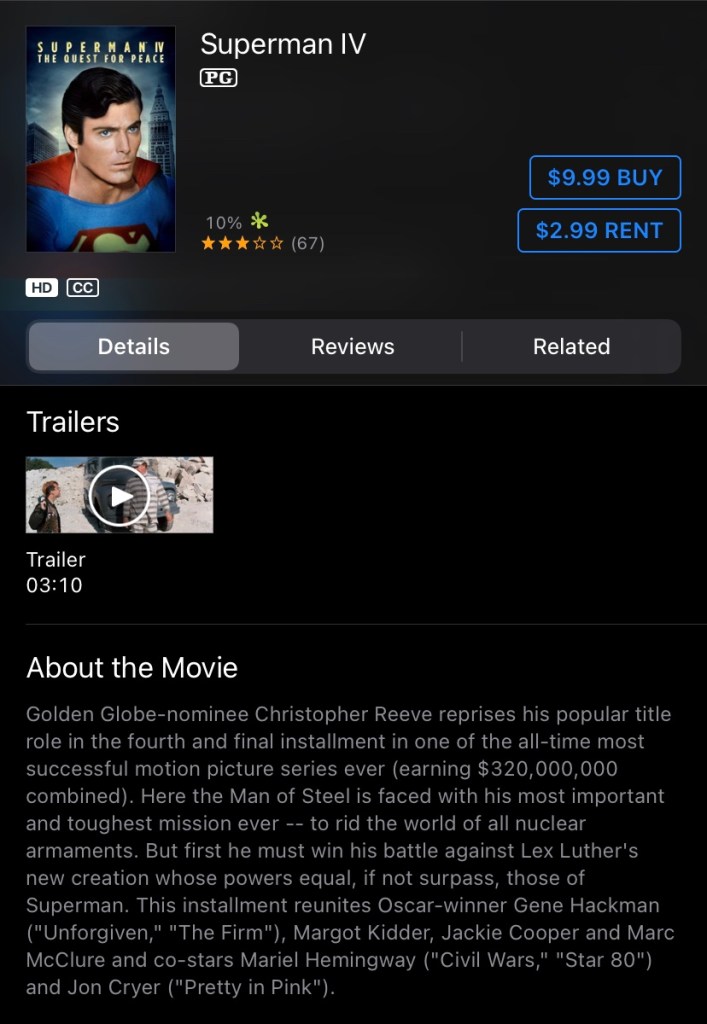
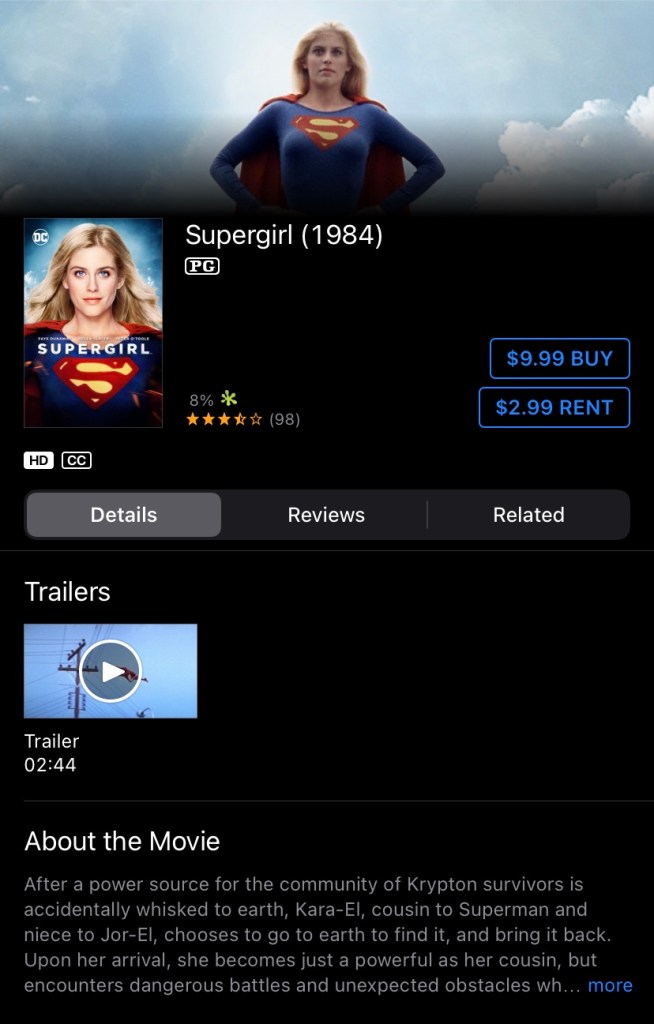
How come indeed?
As far back as I can remember, with the birth of the home video revolution in the 1970’s, its explosion in the 1980’s, and its transformation over the decades across multiple formats—Betamax, VHS, laserdisc, DVD, Blu-ray, 4K UHD, digital streaming—at first we never gave thought to such things. We were aware of theatrical trailers, teaser trailers, TV spots, interviews, and documentaries, but the general collective knowledge of the average filmgoer was pretty much limited to that. Only hardcore film buffs, students of the art, and astute fans were aware of much more regarding the creations of their favorite films and television series. A film or a television series was produced, shown, and put away in a vault when it was finished, and that was that.
With the birth of the home video movement in the 1970’s with Betamax and VHS, people could record shows off television or buy prerecorded tapes of various movies and television shows. But the quality wasn’t always the greatest. One only needs to look at the first Star Trek videotapes and compare them to their later incarnations on VHS, laserdisc, DVD, and Blu-ray, and see how the picture and sound quality wasn’t necessarily the greatest. At the time, it was something just to get a TV show or a movie on videotape in the first place, though the costs were at first a bit prohibitive.
Around this same time, something was happening on television. A few movies here and there were shown in expanded and edited formats to fit within the parameters of broadcast television standards of the day. The first films that come to mind are the Susan Anton film The Golden Girl and Burt Reynolds’ Hooper. These were the first films that I can recall that contained added scenes which were not shown in movie theaters. In the case of The Golden Girl, some forty minutes of footage was added to the film so it could fit in a three-hour time slot. With Hooper, the added footage amounted to very little, an added discussion between Jan Michael Vincent and Sally Field where they discuss her relationship with the title character. These were the first two films that I can recall where deleted scenes were added to the films. To this day, those scenes have been relegated to the film vaults once again and not seen since.
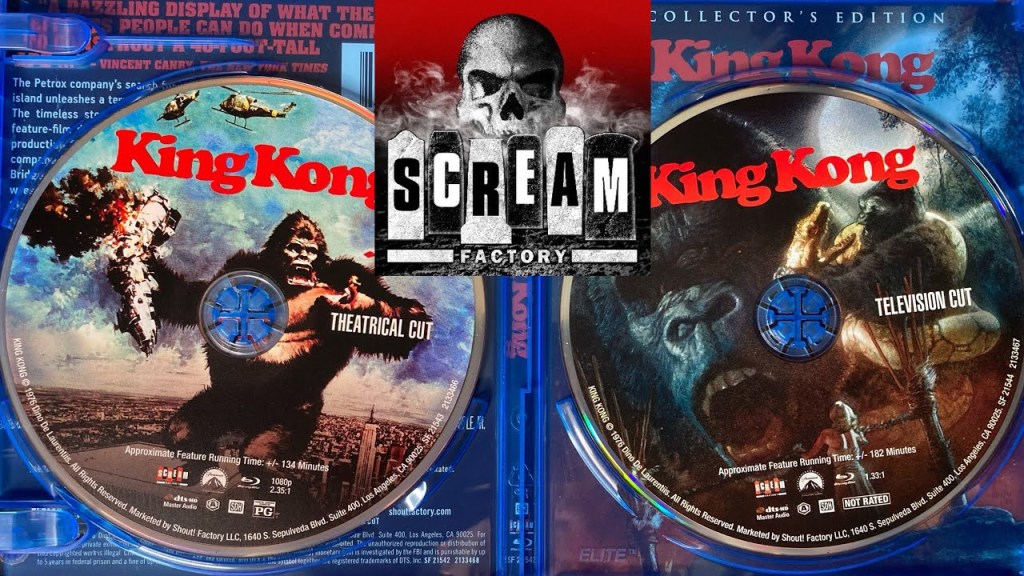
Then there was the 1970’s remake of King Kong. In 2021 Scream Factory, a branch of the Shout! Factory label, released the film on Blu-ray in a generous two-disc set that offered up not only the original theatrical version but also a two-part extended cut that included an additional 45 minutes of footage that was shown on television in a two-night broadcast in 1978. (Does this sound a little familiar, class?)
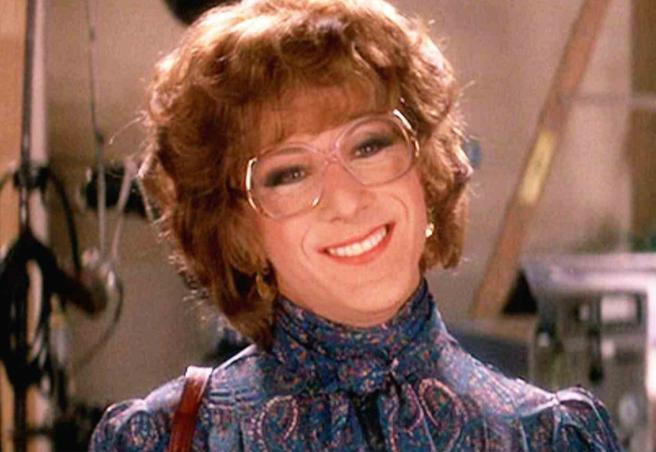
In addition, films would routinely be edited to remove objectionable language. In numerous cases, alternate clean versions of those scenes would be filmed and edited into the film for its network airings. Some of the films that immediately come to my mind include Tootsie, Ghostbusters, and Superman III, among others. In many other cases, alternate language replacement would occur, as with the PG version of Saturday Night Fever that was re-released to theaters in 1978 and later shown on television in the 1980’s, and the later family friendly version of Avatar that would be issued on Blu-ray and is currently offered on Disney+. Those familiar with the original theatrical versions of films could easily recognize the dialogue replacement.
With the release of Superman: The Movie on Betamax and VHS in 1980, fans could now bring the beloved box office blockbuster home to watch. But it was edited from its original 143-minute run time to 127 minutes, as the film was sped up and edited in certain places, most notably the lengthy end credit sequence, to fit within the confines of a single videotape. WCI Home Video did not want to deal with the idea of dividing the film across two tapes, even though the complete version of the film had been released on CED videodisc in a two-disc set. Beyond that, no extras were included on the videotape.
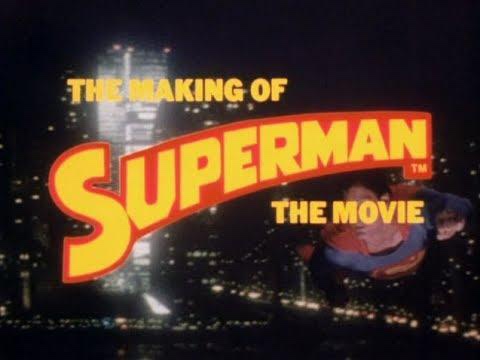
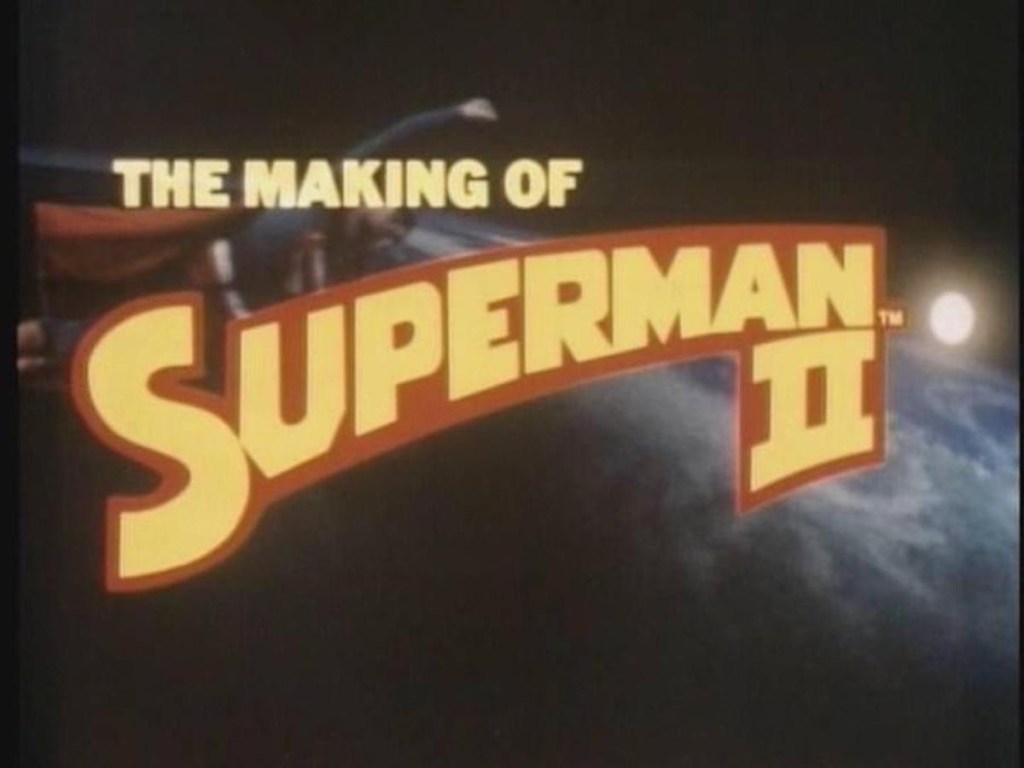
But two things happened in the 1980s that began to change the way we looked at Superman and films in general, by and large. First, ABC aired a 60-minute program, The Making of Superman: The Movie, which gave fans a glimpse behind the scenes into some of the aspects of the film’s lengthy production in 1977 and 1978. We got to see production footage from some of the film’s key sequences on Krypton, in Smallville, at the Daily Planet, at Lois Lane’s apartment, and in Lex Luthor’s underground lair, among others. We witnessed different deliveries of certain lines across multiple takes, and we even got to see an unreleased alternate clip of the film’s final shot of Superman flying away. This confirmed to viewers that much more footage remained unreleased in the Warner Bros. film vaults. This documentary, along with the 1983 TV special The Making of Superman II, were later collected onto a single videotape release from USA Home Video.
Second, ABC secured the broadcast rights to Superman and aired a much longer version of the film, first in February 1982 and then later in November 1982. This version of the film contained forty-five minutes of additional footage not seen in the original theatrical version, making those deleted scenes available to viewers for the first time. From there a wave of extended versions of films would eventually be broadcast with deleted scenes restored throughout the course of their respective broadcasts, including the three Superman sequels, the infamous “Alan Smithee” version of Dune, Dances with Wolves, Who Framed Roger Rabbit, and Waterworld, among others. Before long, astute film fans began to consider the importance of deleted scenes from films and television series.
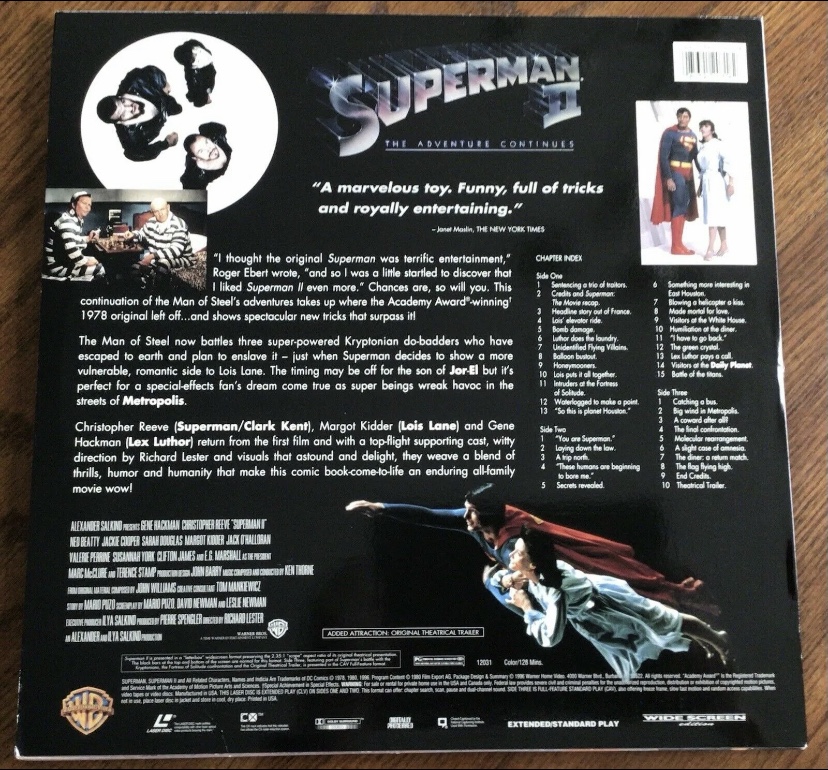
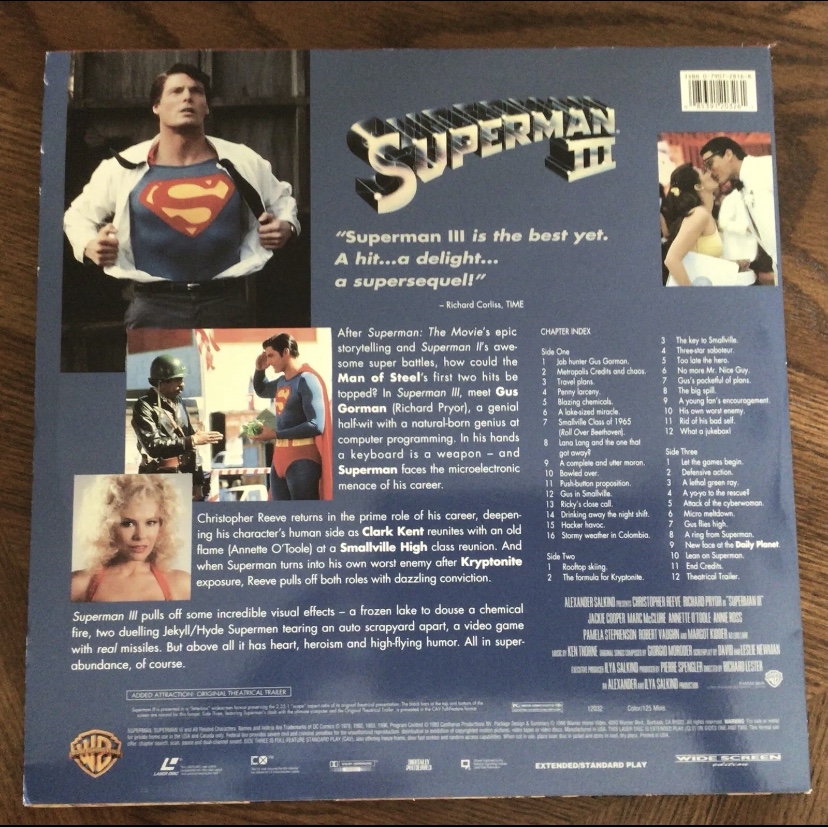
As the years progressed, so did the technology. CED videodiscs gave way to laserdiscs, and during the 1980’s and 1990’s the audio and video quality of laserdiscs surpassed their videotape counterparts. Many laserdiscs, including Superman, eventually presented their films in either pan-scan or deluxe widescreen editions, again without extras. The 1995 Japanese widescreen laserdisc release of Superman, however, contained the film’s teaser trailer, even though its 1990 American counterpart did not. The later 90’s U.S. laserdisc releases of Superman II and Superman III eventually included the original theatrical trailers, marking the first time that extra features to the Superman films were commercially available on laserdisc.
During this time, laserdiscs began to expand in size and scope, as studios began to take advantage of the vast amount of extras that lay in their film vaults, presenting scores of added features to their films. Criterion became a leading distributor of elaborate special editions at the time, with films such as Blade Runner, Close Encounters of the Third Kind, and Ghostbusters containing interviews with the films’ creators, looks at the making of the films, deleted scenes, and trailers, making them highly collectible laserdiscs for film fans and students.
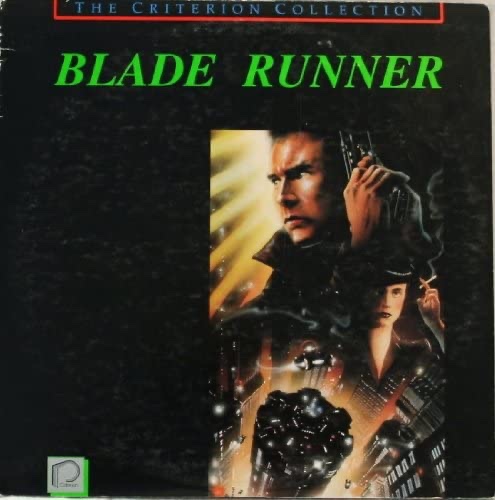
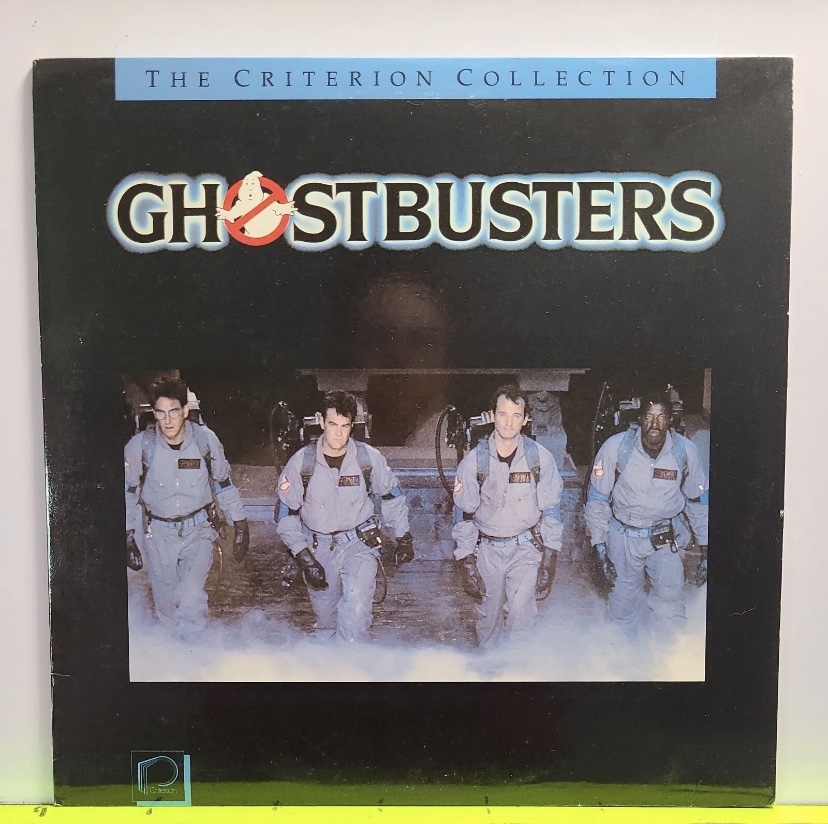
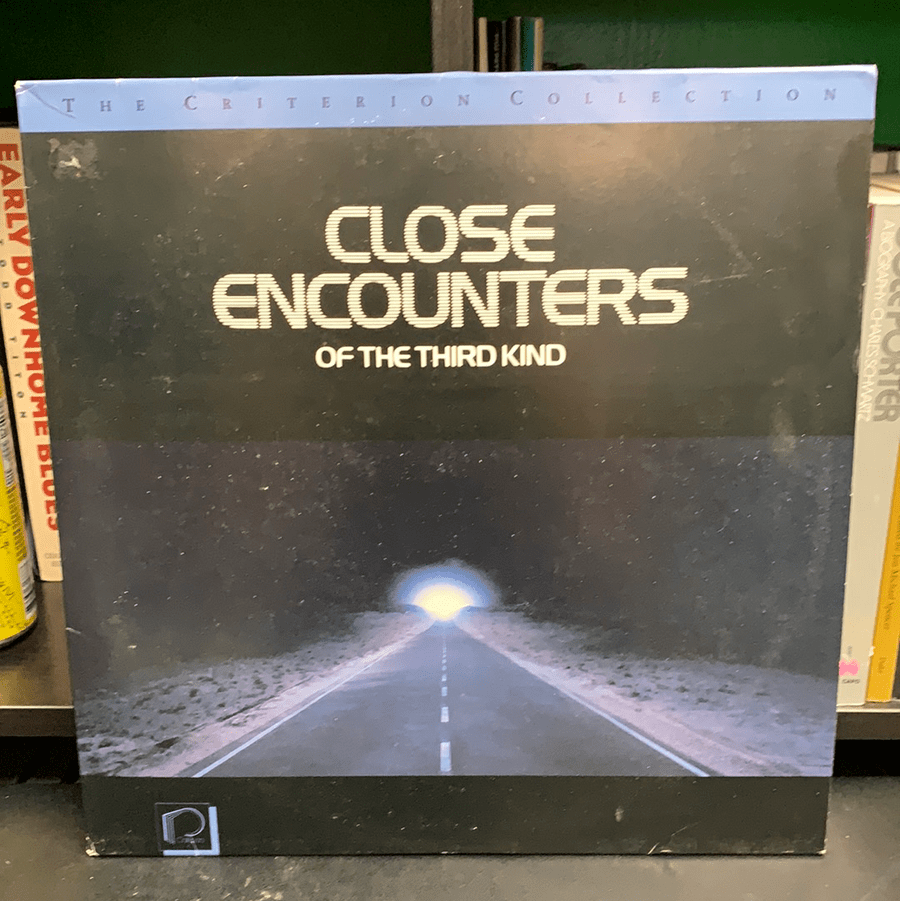
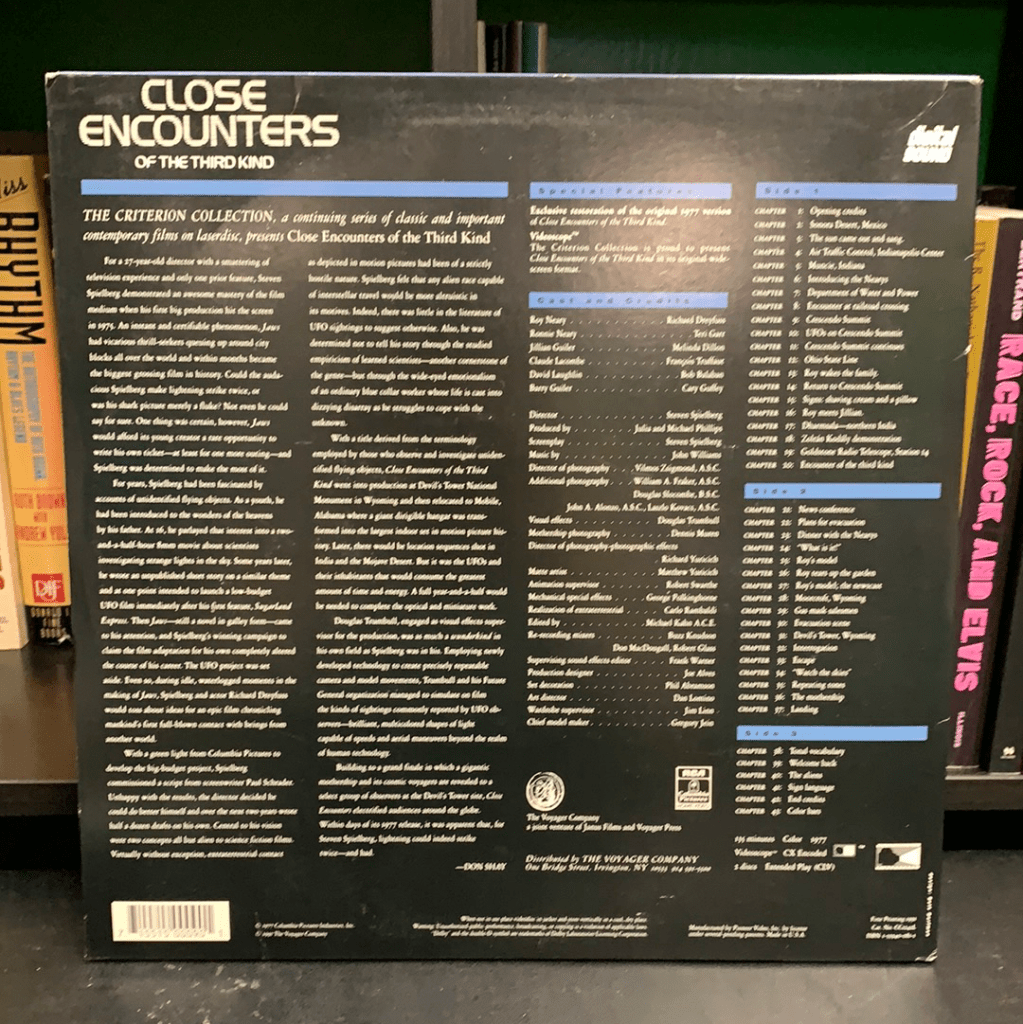
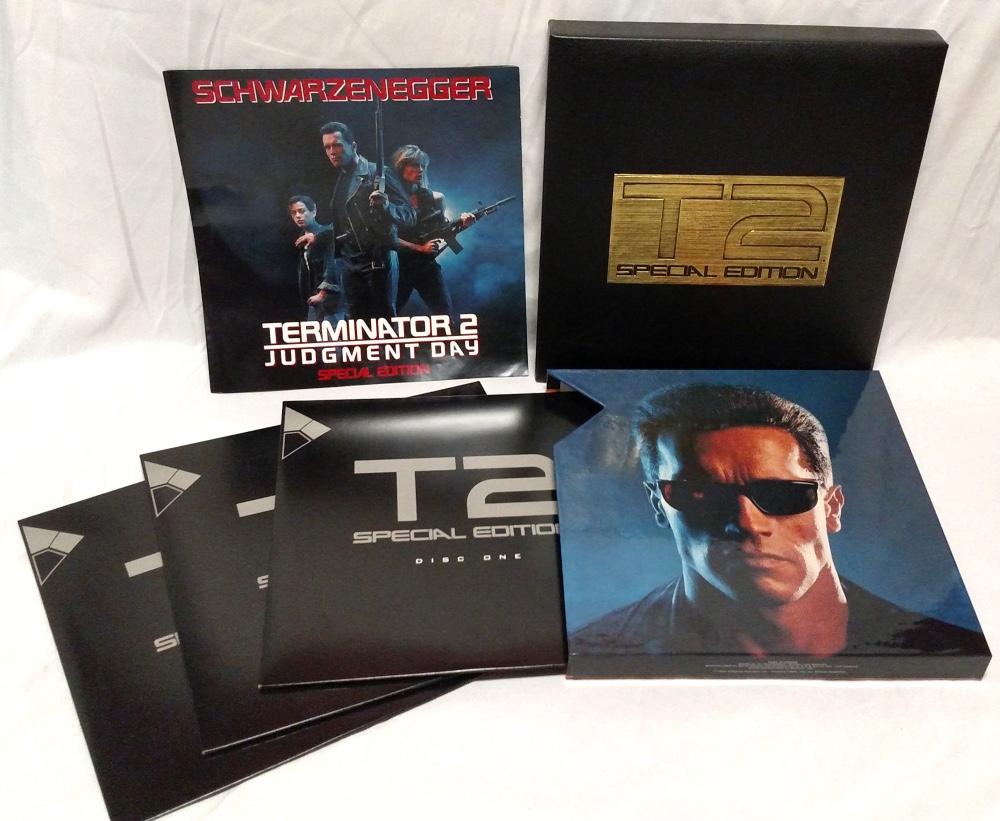
In addition, we began to see the release of expanded and restored versions of films making their way onto VHS and laserdisc in the 1990’s. One of the most important restored editions was David Lean’s epic masterpiece Lawrence of Arabia with a vast amount of scenes restored back into the context of the film. James Cameron would also restore and expand The Abyss, Aliens, and Terminator 2: Judgment Day, giving viewers a longer look at his films without being bound by the constraints of their theatrical running times. Those films, along with Ridley Scott’s Alien, would enjoy special edition laserdisc box set releases, complete with optional running audio commentaries, giving fans a chance to hear how the films were made. Even Danny DeVito would profess himself to be a fan of the laserdisc medium, presenting his films The War of the Roses and Hoffa in special edition box set releases as well. Before long, other studios would follow suit with their films.
But laserdiscs also presented a chance to give viewers alternate versions of films that were never released in the United States. In November 1984, Supergirl was released to theaters across the United States at a running time of 105 minutes. Shortly before its release, the longer international version of the film running 124 minutes was released on VHS and laserdisc in Japan, with some copies making their way to video stores in Los Angeles, California. In 1990, a longer version of Ridley Scott’s 1985 film Legend was released on laserdisc in Japan, containing a slightly different edit of the film that ran 94 minutes and also included Jerry Goldsmith’s original soundtrack to the film (which would be replaced with an electronic score from Tangerine Dream for the film’s American release). And Tohokushinsha Video would release the 93-minute version of Superman IV on VHS and laserdisc, which contained the complete versions of two scenes not featured in the Warner Bros. version of the film—Superman averting a tornado in the Midwest, and Superman saving Russia from a nuclear missile attack—with music and visual effects in place.
The VHS format, which emerged as the more dominant of the two videocassette formats, also presented alternate versions of films as well. For years, the version of Blade Runner that had been released was the international release of the film. This would be replaced by Ridley Scott’s 1992 director’s cut, which removed all of Harrison Ford’s narration and the original happy ending (which had pilfered footage from The Shining) and included a mysterious unicorn dream sequence. By the turn of the decade, Anchor Bay Entertainment released the 124-minute cut of Supergirl on videocassette. And it was also commonplace to find various edited versions of Fritz Lang’s Metropolis on VHS. Alternate cuts of films soon became as important as extra features on home video. And this is just scratching the proverbial surface.
To be continued…
 Superman: The Blog