In 1997, the next big thing in physical home media arrived, the DVD. Early releases such as Batman and Robin Hood: Prince of Thieves, for example, contained no features and were split over both sides of the disc in the same way that laserdiscs had done in years past. Eventually, DVD releases soon included theatrical trailers. This was soon followed by choosing between full screen or widescreen versions of films, as some viewers had not fully embraced the widescreen format by now. Within a few years, special editions of films arrived on DVD that were loaded with a vast array of bonus features, including audio commentaries, theatrical trailers, deleted scenes, production notes, documentary features, still photographs, visual effects creations, screen tests, and so forth. Films such as Superman and Gladiator, for example, proved to be highly successful with fans, while older releases such as Terminator 2 saw all of their laserdisc features ported to the new DVD format at a more economical cost.
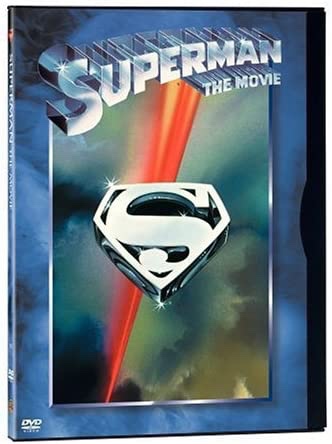

We also began to see a new trend in DVDs, the inclusion of Easter eggs, hidden features that fans could find that would further expand the visions of the films. They could be hidden interviews with cast or crew members, as with some of the Star Trek special editions; bloopers, such as seeing Spider-Man crash the first X-Men production; a Gladiator themed parody trailer for Chicken Run; hidden computer animatics on the DVD for the first Spider-Man film; hidden trailers for Aliens and Strange Days that were scattered across the menus of The Abyss; or a specially created alternate version of T2 which included deleted scenes and the alternate ending restored into the context of the film. We were also treated to isolated film scores for certain films such as Superman or Ben-Hur. The possibilities were now endless.
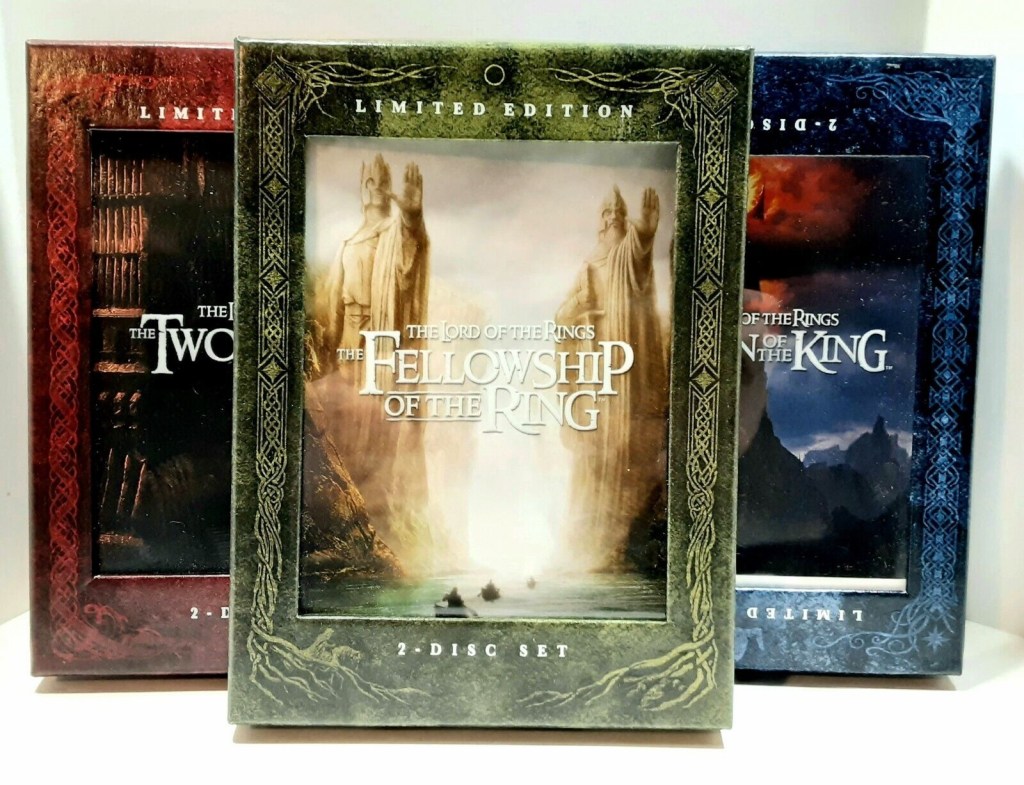
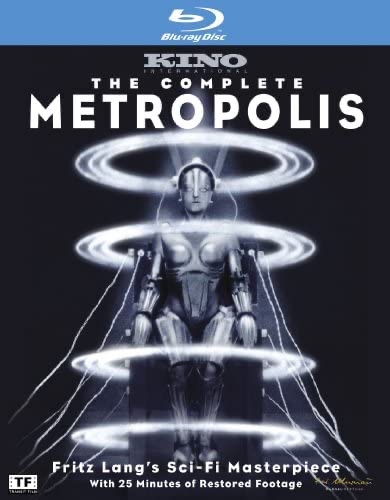
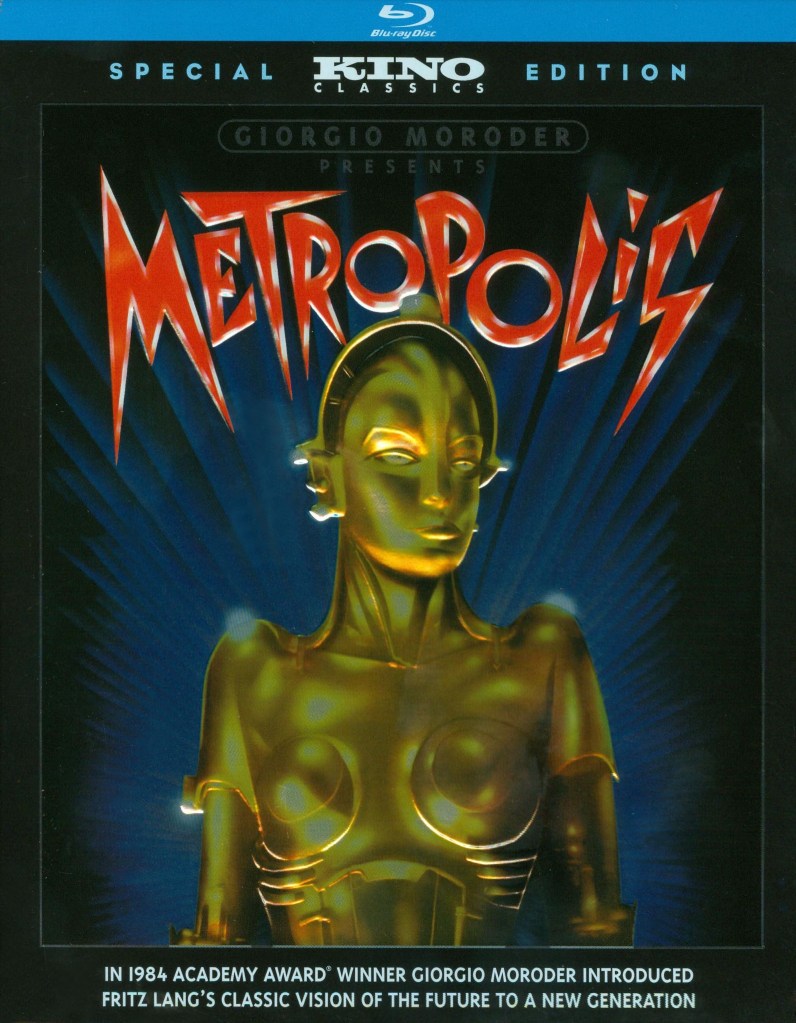
The DVD format also saw the release of more director’s cuts of films, including Robert Wise’s final cut of Star Trek: The Motion Picture (which was upgraded to 4k format in 2022), Richard Donner’s expanded version of Superman and his own cut of Superman II, Ridley Scott’s final cut of Blade Runner, and Peter Jackson’s expanded cuts of the Lord of the Rings trilogy. These director’s cuts could now join their theatrical counterparts on home video, complete with new commentaries and extensive features about their desires to see the films completed according to their respective visions. We also saw the first properly restored version of Metropolis on DVD, at a running length of 125 minutes. And we finally saw Ridley Scott’s original two-hour intended version of Legend and Jeannot Szwarc’s initial 138-minute cut of Supergirl released on DVD, both sourced from surviving prints located in film vaults and joined together with their respective theatrical releases.


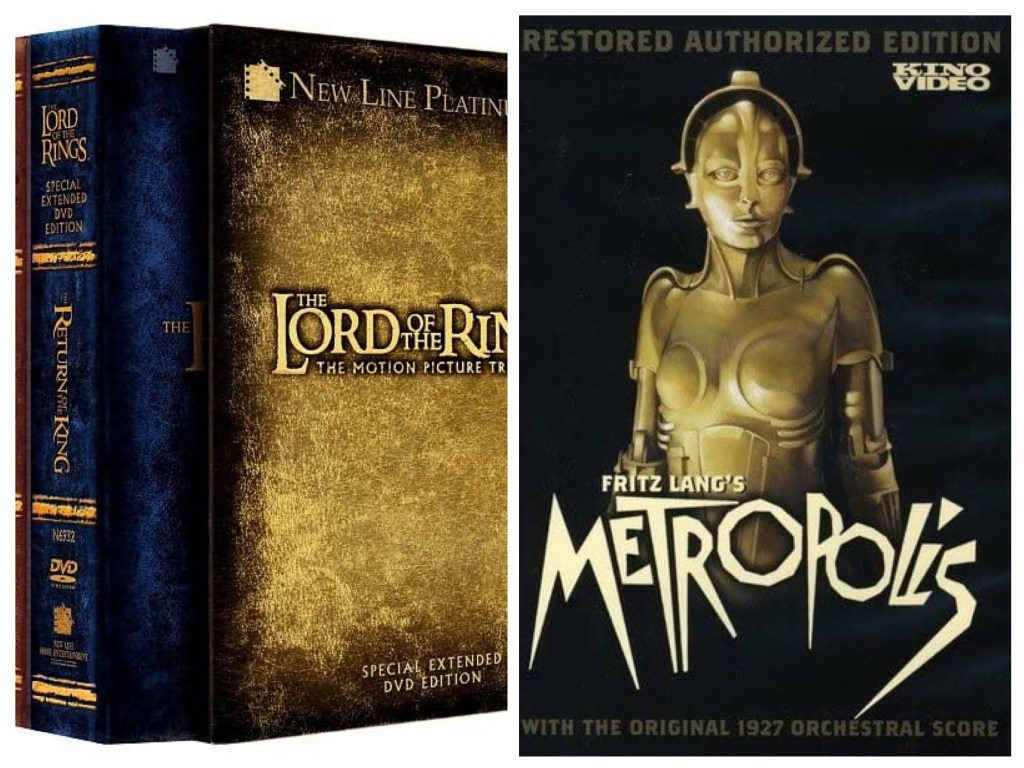
As the decade progressed, studios began to mine their catalog releases and present elaborate special editions of some of their most popular classic films, including Gone With the Wind, The Wizard of Oz, Casablanca, Citizen Kane, The Ten Commandments, Ben-Hur, and Lawrence of Arabia, to name a few. Warner Home Video would also present massive collections of the Matrix trilogy and the Superman films in collector’s edition box sets, with even more documentaries, audio commentaries, deleted scenes, and exclusive features not previously included in their earlier incarnations.


This led to other studios re-releasing titles with all-new features that were not included the first time around, and before long the idea of double dipping, or even triple dipping, on certain titles to obtain every single extra feature became commonplace much to the dismay of home video fans.
And then came Blu-ray. The winner over HD-DVD in the format wars of the latter half of the 2000’s, Blu-Ray promised higher resolution, more interactivity, and more storage for films and television series and their respective bonus features. Once again studios mined both newer releases and their older catalog titles to bring more bang for their buck. Some studios would craft all new bonus features for their Blu-Ray releases, which meant that film fans would have to dip into their wallets again for even more added features that were not included on the earlier DVD sets.
Some catalog releases, like the Superman films, featured only one or two new added features, such as the “Science of Superman” documentary that was a Circuit City bonus disc and an extra deleted scene from Superman Returns. Others, like the Star Wars franchise, offered hours of all new features that were completely different from the earlier VHS and DVD releases. Still others like the original Star Trek series, Star Trek: The Next Generation, and the Alien franchise, combined the older legacy features with hours of extensive added features. In the case of the Alien series, fans were given their choice of the original theatrical versions or newly expanded alternate cuts, along with isolated film scores and alternate scores, as well as the original laserdisc archives, making it the final word in that series.

But something else happened going into the 2010’s. Studios began offering multiple versions of newer releases, including a bare bones DVD of just the film; a “special edition” of the film on DVD with a few added features; and combo sets containing the bare bones DVD, a feature-laden Blu-Ray, and a code for a digital version of the film on a streaming platform to allow for higher resolution and, in some cases such as the recent Star Wars trilogy, exclusive features presented in digital format only such as exclusive deleted scenes, exclusive bonus features, and a score-only version of The Last Jedi. Choices such as these forced film fans to once again choose their preferred method of viewing certain films in order to have all of the features available to that film. In recent years we have also seen certain stores include bonus features exclusive to their store and nowhere else. Target, for example, has included bonus content for films such as Rogue One, Finding Dory, Star Trek Beyond, and Star Wars: The Rise of Skywalker that were not found in other stores or even on their digital counterparts. Best Buy offers steelbook presentations if certain films. Walmart and Amazon offer exclusive swag in their packaging as well.
In the past few years we have seen the emergence of 4K UHD discs offering recent films and older catalog releases such as Superman increased picture and sound quality representing their original theatrical versions. In 2017 we saw the Warner Archive Blu-Ray release of Superman in a special two-disc set offering both the 2001 special edition set and the 1982 extended TV cut in widescreen formats, complete with a number of bonus features from the previous Blu-ray set. And the following year we received the international version of Supergirl on Blu-Ray, with some of the added features from the Anchor Bay DVD and the complete director’s cut of the film in standard definition DVD.
Today we now have access to a wide array of streaming platforms, including Netflix, iTunes, Amazon Prime, Vudu, Movies Anywhere, Disney+, CBS All Access, HBO Max, and Peacock, offering wide selections of films and television series available for nominal fees every month. Some of the films on Disney+, for example, such as Avengers: Endgame, Artemis Fowl, and the five recent Star Wars films, are laden with added extras including deleted scenes, audio commentaries, and documentaries on the making of the films. In addition, Avengers: Endgame and Star Wars: The Rise of Skywalker offer several exclusive features that are not present in any other version of the films. Others on Disney+, such as most of the X-Men films, have no added features at all, despite all of the features on the discs.
And on nearly every streaming platform, with the exception of theatrical trailers or preview clips, none of the Superman films or Supergirl contain any of its accompanying bonus features from the DVD or Blu-Ray releases.
Which brings us back to where it all began: why are the bonus features from the Superman films and Supergirl not included on iTunes – or any of the streaming platforms, for that matter?
It’s probably a case of deciding what is important to a film and what isn’t important.
To the studios and their respective streaming platforms, they have probably concluded that these extra features are not worth their time including with the films. Let’s examine why.
The average moviegoer or movie watcher is probably not concerned with these added features. After all, when we pay money to see a movie in the theater, are we given the options of watching deleted scenes or production features? No. We don’t have time for that. Our attention span is roughly two hours, three or even more if it is a gigantic epic the size, scope, or length of Gone With the Wind, The Ten Commandments, Ben-Hur, Lawrence of Arabia, Titanic, the Lord of the Rings trilogy, or Avengers: Endgame. Once we’re done, we’re tired, and we want to go home. We don’t want to pour over every little detail all in the presence of other filmgoers for hours on end.
But with fans of certain films, and film students alike, the DVD and Blu-ray formats allow for further exploration of the films with such added features. They can examine the nuts and the bolts of it all in the privacy of their homes. And the option of picking and choosing in what order to view those added features or listen to their audio commentaries gives them a ringside seat into their favorite films, where we can become like a Martin Scorsese or a Danny DeVito or a Peter Jackson in the process. Some of the streaming platforms such as Vudu, Disney+, or Movies Anywhere allow for that same option to view those extra features in the order that you wish. Amazon Prime, however, does not, placing all of the added features of a film after the film itself in one “play all” mode without any skipping forward or back.
With Superman we first had the opportunity to learn more about this film in 2001 with its first DVD release. Then we had more chances in 2006 with the release of the 14-disc Ultimate Collector’s Edition and in 2011 with the Blu-ray release of the film anthology. Who wouldn’t want to learn more about these films? And since then we have learned even more in the process.
It’s also probably a case of licensing rights.
With the films themselves, many of the streaming platforms are able to get the films and not have to worry about the extra features. These platforms don’t want to shell out additional fees for the rights to certain features involving certain actors or filmmakers who are no longer alive, especially where estates and licensing fees are concerned. And that’s certainly a valid point. Studios can make their money back on films and not necessarily the bonus features.
It’s also a case of availability.
For years Disney, for example, has had a habit of bringing its films out of their vaults for a period of time on DVD or Blu-ray before returning them to the vaults once again. With platforms such as Netflix and Disney+, films and television series are rotated in and rotated out again to make room for other programs. With DVD and Blu-ray, there are no rotation issues. The discs are safely in a person’s disc collection, and he or she can freely choose which film and which added features to watch. He or she will never have to worry about a favorite film or series going away. In this case we are not held at the mercy of the streaming platforms.
Enjoying a film such as Superman in physical media is like enjoying a fine dining experience. We are given our choice of appetizers, followed by the main course, sides to go along with the meal, a good drink, and our choice of desserts to round everything out. Now see that same film on iTunes or Amazon Prime without all of the extras. Are we going to pay for a full meal deal and just get the main course without anything else? Not necessarily.
In this case, physical media will win out over digital media any day. Even as advances in physical and digital media continue to push the envelope, with Superman being the first film selected for archiving and viewing on a future generation optical disc, film fans and studios alike will continue to mine their vaults for even more exclusives to accompany their favorite films for future generations to come.
 Superman: The Blog