Last time I set up the introduction to analyze Mario Puzo’s 1975 scripts for Superman, which included a look at the scenes on Krypton at the start of his first draft script from July 1975. Now I will turn my attention to his scenes set in Smallville and in the Fortress of Solitude, which encompasses pages 18-35 of the script. Again, the question is, what concepts survived into the final film, and which did not? And what were some of the influences that inspired Puzo’s scripts? Let’s take them beat by beat.
As the infant Kal-El’s rocket ship travels to Earth, it’s a very quick couple of notes. There is a brief reference to alternating shots indicating the passage of time, but there are no references to Jor-El and his audio lessons as in the final film. All in all, it seemingly takes only a moment or two for the journey to occur, not the two- or three-minute sequence depicted in the film itself.
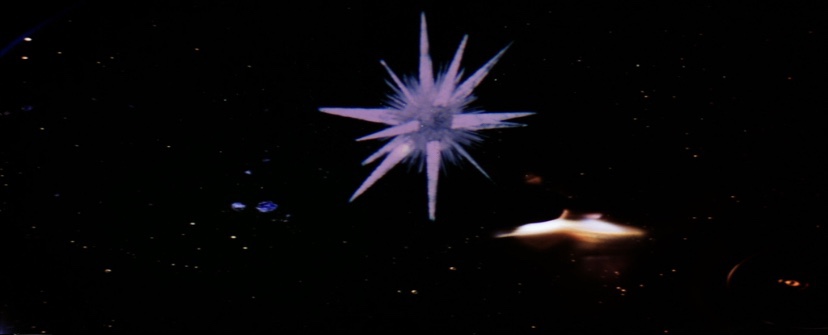
Once the rocket ship lands on Earth, the infant Kal-El is found by the Kents. The characters are not mentioned by name as Jonathan and Martha, only Mr. and Mrs. Kent. As in the final film, Puzo mentions that Kal-El is three years old when he lands on Earth. The most unusual aspect is that Kal-El is wearing a miniature Superman suit in this early draft! This again harkens back to the comics of the day which depicted the infant wearing a miniature Superman suit when he is found. This probably would have been a laughable moment had this been filmed.
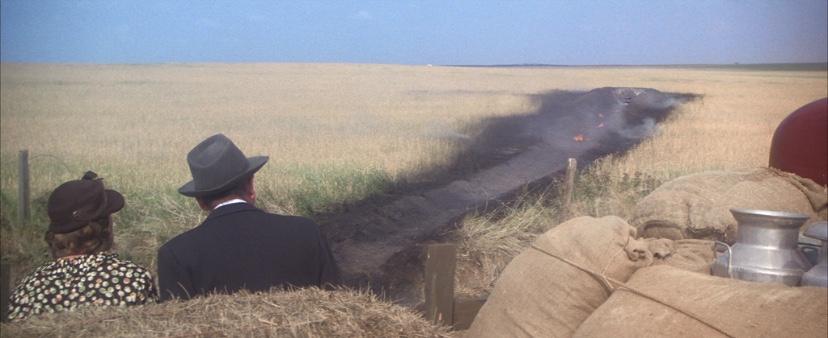
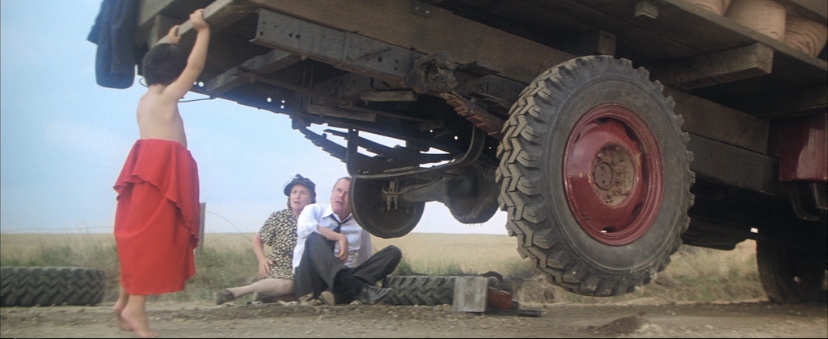
And the moment of the infant Superman lifting the truck so Pa Kent can repair the flat tire is present in this early draft, except for dialogue between the Kents. It is after they get home that they agree, no one must ever know of this. At this point in the story a number of the beats that Mario Puzo has drafted in this first script will carry on into the final film version.
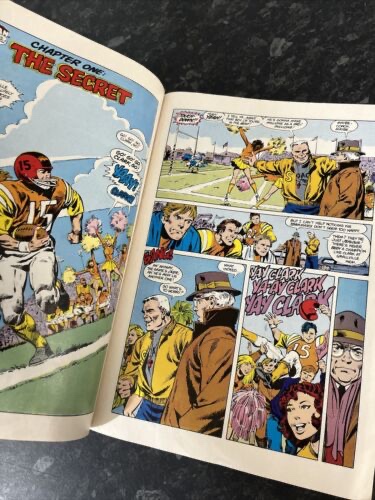
From here the script moves forward to Clark Kent as a teenager and proving himself to be a superb athlete in school, excelling in baseball, basketball, track, and football to the delight of a number of his classmates and the dismay of some of his teammates. This is greatly different from what we would see in the final film, where the teenage Clark Kent is the football team manager aka water boy responsible for washing the team’s uniforms and collecting all of their gear. It wouldn’t be until 1986 when writer/artist John Byrne depicted Clark Kent as a football star in the first issue of the Man of Steel reboot miniseries. And it would be a plot point through the fourth season of Smallville in the fall of 2004.
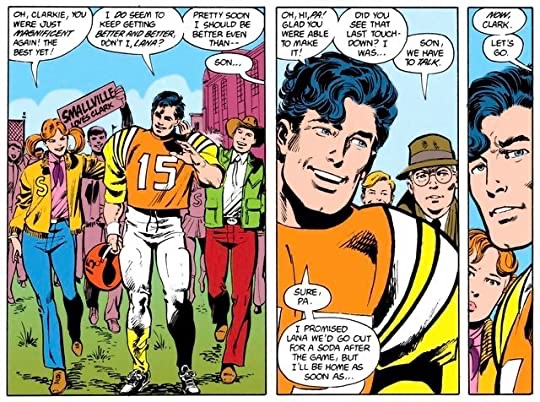
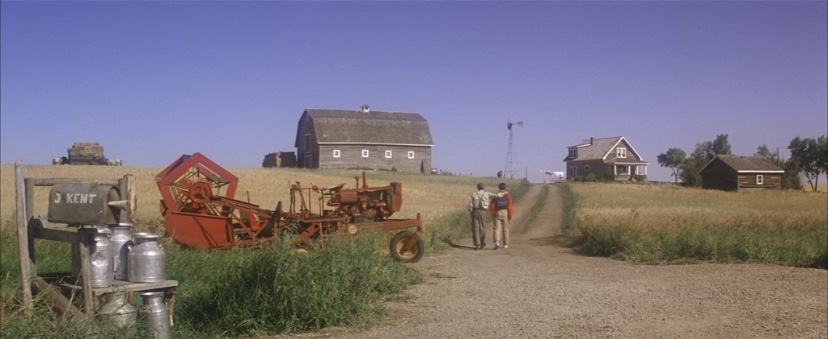
It’s then that Puzo makes a sharp turn in Clark’s personality, as the athletic director and several coaches try to figure out why he doesn’t want to pursue athletics any further. He gives no reason why, but we as the readers and viewers can only conclude that he is growing more aware of his superhuman abilities, and his adopted father has been keeping him in check. As Jonathan Kent says in the final film, “One thing I do know, son, is that you are here for a reason. I don’t know whose reason or what the reason is… but I can tell you one thing. It’s not to score touchdowns.”
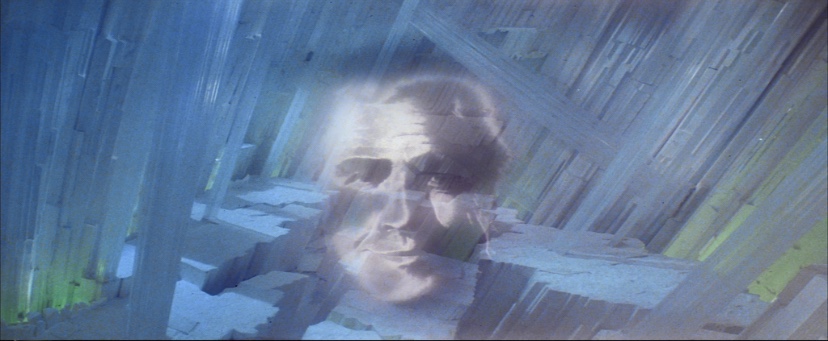
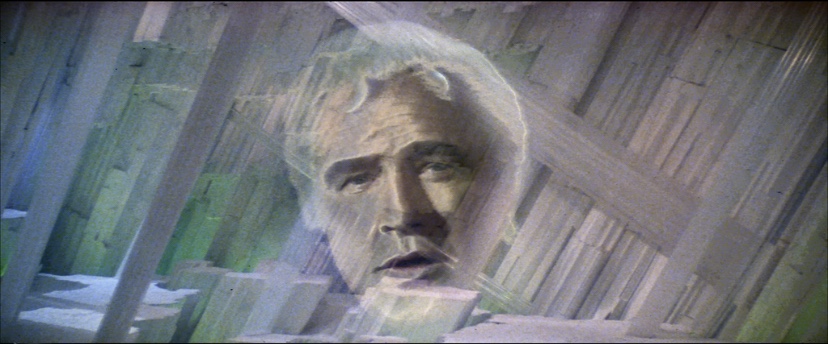
Shortly after this, we find Clark, who is now eighteen years old, accessing the electronic plates from his rocket ship and interacting with his birth parents Jor-El and Lara, who urge him not to use his powers for athletic gain or trophies, nor to use them to change the course of Earth’s history or even become a god. Rather, Jor-El stresses, to hide his abilities under the guise of an ordinary man and learn more about his purpose on Earth and know the difference between good and evil. They urge him to resume contact with them when he has more questions that they can answer, but only when he is ready. This exact exchange does not progress much further than the Puzo scripts, though the spirit of the discussion can be found in the final film.
A few years later, Clark decides to leave his home in Smallville and seek out his destiny. Puzo does not mention how much time has passed, only that Clark is now a man and that both of his adopted parents are still alive when he leaves. This harkens back to the 1948 Superman serial and the first episode of The Adventures of Superman, “Superman on Earth”, which both depict Clark leaving home as an adult.
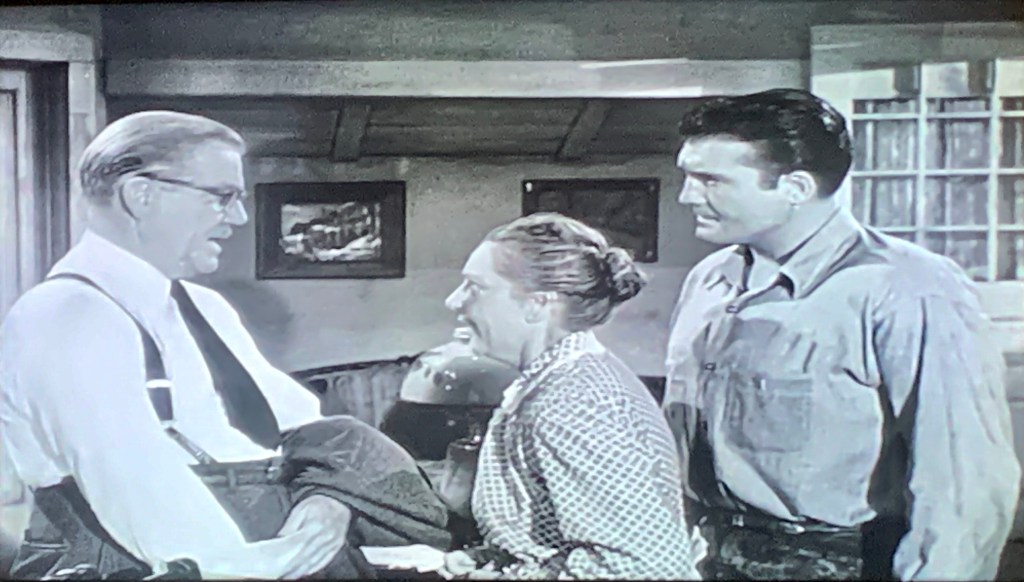
Puzo’s approach is bare bones and matter of fact as he comes out and says, “Mother, Father, I have to go away.” It’s interesting that Puzo takes this approach and not what was established in the comics that the Kents have both passed away by this time. This goes against the comments that Elliot Maggin made that Puzo saw this as a Greek tragedy. And yet it seems more natural for a young man to leave home to find his way in the world whether through college or the military or the work force.
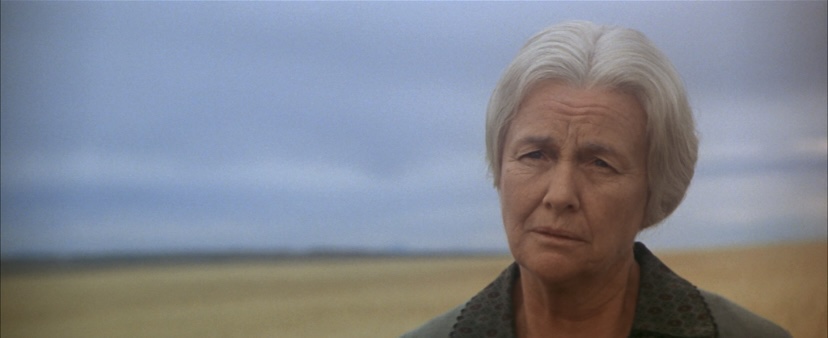
The scene then cuts to Clark getting ready to leave the Kent farm with a truck filled with supplies for his trip, as well as the rocket ship and the electronic memory bank. It’s a relatively quick goodbye to the Kents, without a lot of emotion played in the script, but one key line here is written that survives all the way to the final film:
Puzo then reveals how Clark travels north and uses the Kryptonian memory bank to access Jor-El’s directions to head north to the Arctic Circle and establish a fortress there where he can study all of the Kryptonian literature and scientific manuals that have been sent with him, along with all of the written materials from Earth. Jor-El then says to him, “Perhaps after a year or two of studying, you can take your place as a man on Earth.” Clark then uses one of the instruction modules per Jor-El’s instructions to build the Fortress. The construction is almost instantaneous, happening over several transition shots, and during the construction process Clark moves all of the goods from his truck into the Fortress.
One thing I want to point out is that Jor-El mentions that Clark can journey out after a year or two. This is much different from what is mentioned in the final film, when he says, “By the time we return to the confines of your galaxy, twelve of your years will have passed…. It is now time for you to rejoin your new world and to serve its collective humanity.” Why Puzo would suggest only a year or two is unclear here. We are just more accustomed to the 12-year reference in the film. This is simply another point meant to generate discussion about the differences between this first draft script and the final film.
It’s the depiction of the inside of the Fortress that stands out. It contains a fireplace with a roast turning around in a pit, a bearskin rug, a balcony overlooking the Arctic north, homemade chairs covered in deerskin and wolf skin, a regular looking bedroom, and deer antlers on the walls, among other things. A real bachelor pad. At times Clark lays on the bearskin rug and reads some of the Kryptonian electronic plates, then at one point he puts the plates away, goes to his bedroom, and picks out a suit to wear, becoming the Clark Kent we know from the comics.
This version of the Fortress is completely different from what had been established in the comics as a futuristic-looking scientific center and museum dedicated to the history of Krypton. Instead, Puzo gives us a Fortress that has more in common with a cabin in the woods than the mystical Arctic hideaway that is part of the lore of Superman.

Next time, we’ll look at Clark Kent in Metropolis as he joins the staff of Galaxy Communications, where he meets Lois Lane, Jimmy Olsen, and Perry White. We’ll also get our first look at Lex Luthor and his henchmen, Superman’s debut in town, and the first encounter between Superman and Luthor. All of this and more will be revealed!
(Some of the screenshots in this blog are used courtesy of CapedWonder.com.)
 Superman: The Blog