As we mark the 45th anniversary of the release of Superman: The Movie, 2023 also marks the anniversary of another Superman film with the 40th anniversary of Superman III, the third installment that was more of a lame comedy in the eyes of a number of fans than what they had seen in the two previous movies. Released on June 17, 1983, Superman III proved to be a departure from the first two films with a tone and style all its own.
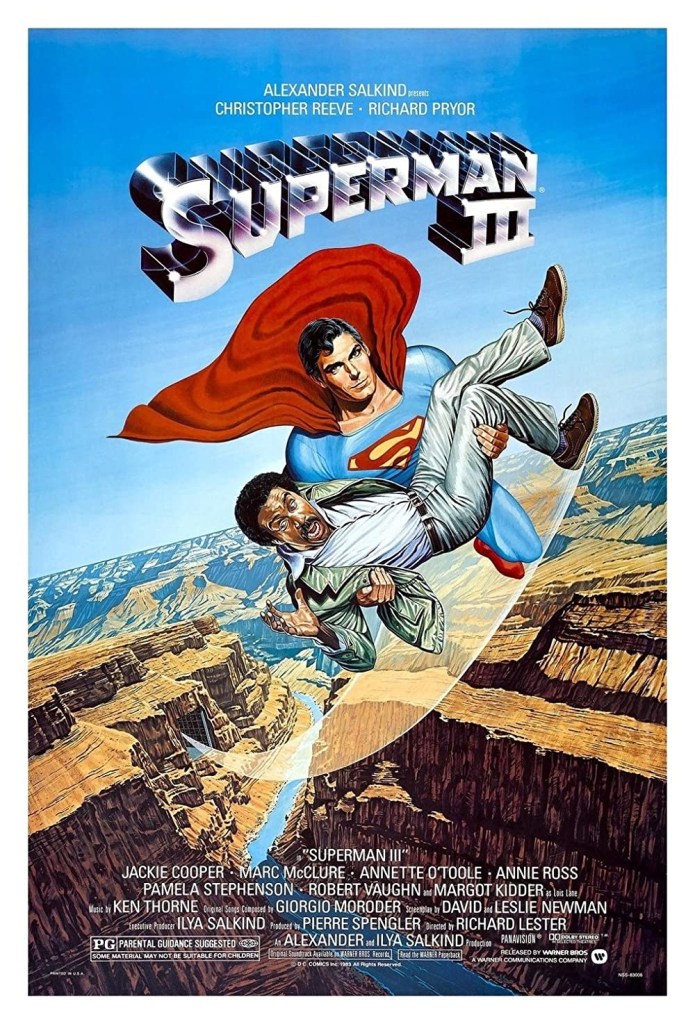
But the road to Superman III would take four years, numerous rewrites, and countless casting suggestions that would have taken the franchise into who knows what kind of direction that would have staggered even the most hardcore Superman fans.
The origins of Superman III began in early September 1979 during the filming of the Niagara Falls sequences, when Richard Lester and David Newman suggested a scene involving Clark Kent returning home to Smallville for his high school reunion. That would be the launching point for the story that would unfold.
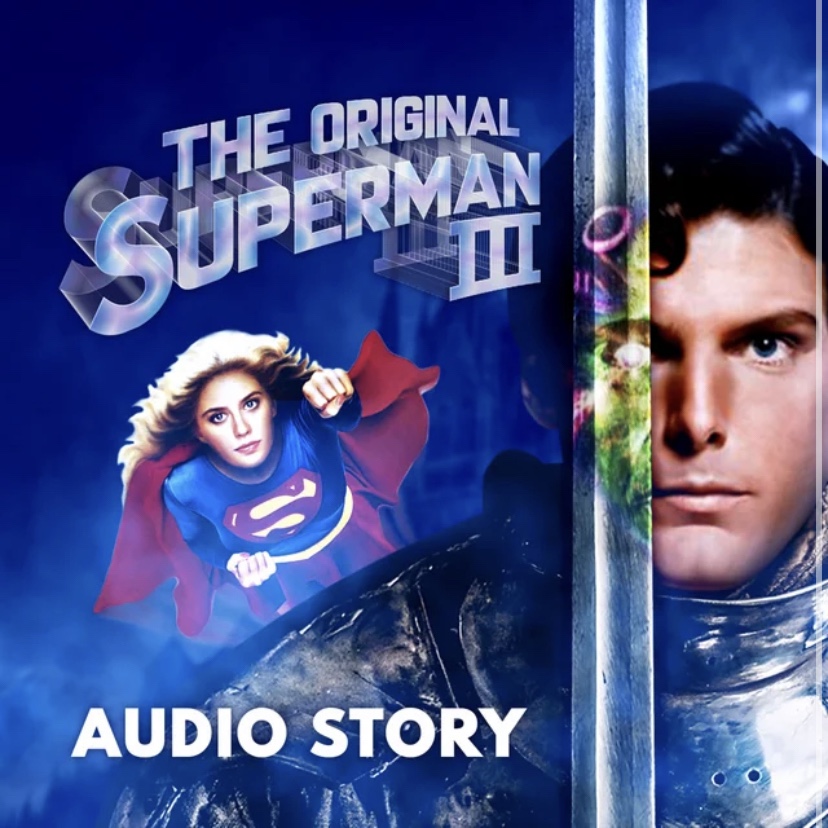
From there Ilya Salkind would develop a treatment for the film that would include the characters of Lana Lang, Supergirl, Brainiac, and Mr. Mxyzptlk. After two tries, Warner Bros. would turn down both of Salkind’s treatments, although Lana Lang would be the only character from that treatment to survive into the final film. Four decades later, Neuverse Creative would produce a 15-minute audio narration of the Salkind treatment, and…
Thank goodness for David and Leslie Newman returning to write this third installment. Even with the bent towards comedy, they still kept things consistent through all three of the Superman films. Leslie Newman would even make a cameo appearance in the film as Ross Webster’s secretary, which would not be seen until the extended TV broadcast in 1986.
As for the casting of Ross Webster, early candidates for the role included Frank Langella (who would go on to portray Perry White in Superman Returns in 2006) and Alan Alda of MASH fame. Ultimately the part went to veteran character actor Robert Vaughn, who would chew the scenery as much as possible.

Oddly enough, the character of Webster himself—a megalomaniac businessman—would influence the reimagined development of Lex Luthor in the post-Crisis on Infinite Earths version of the Superman comics beginning in 1986 with the Man of Steel miniseries and carrying forward into all future incarnations of the character.
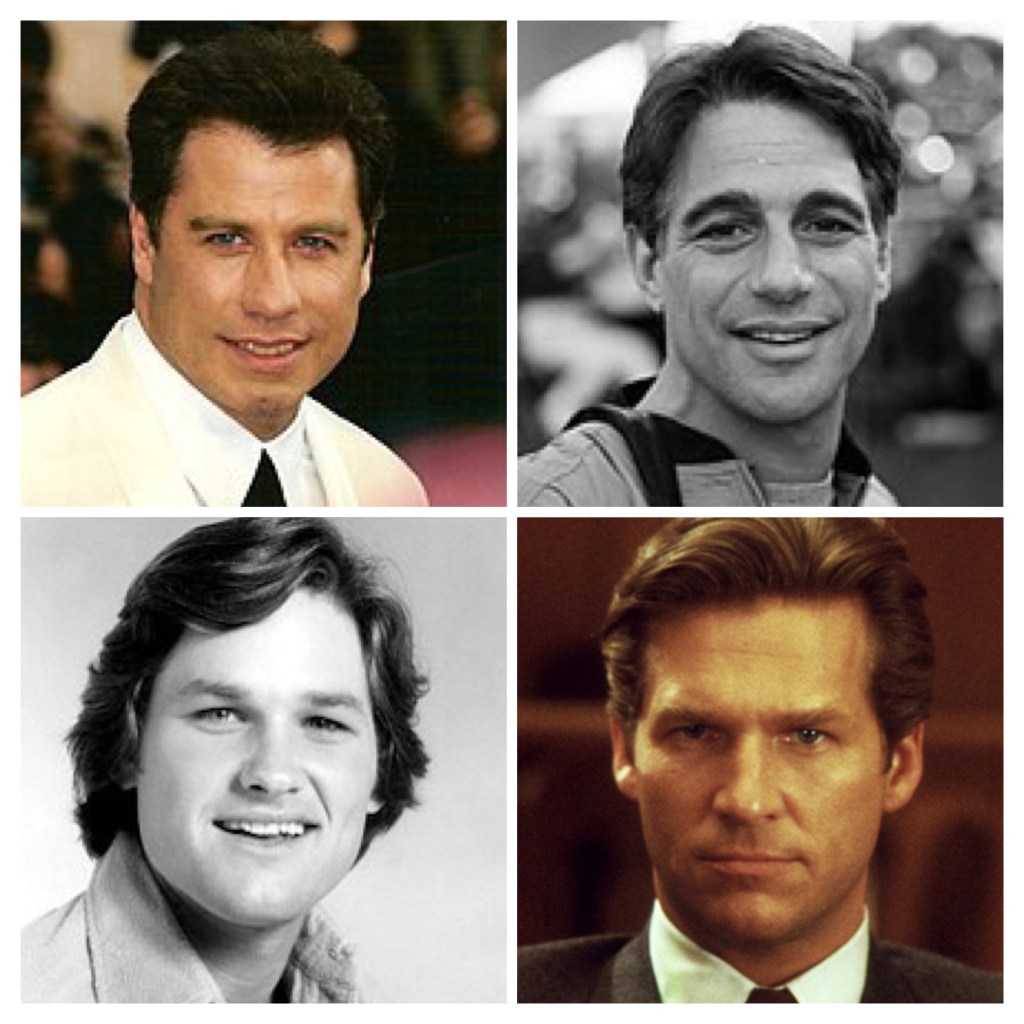
But there were other casting options as well. Once Christopher Reeve protested Ilya Salkind’s story treatment for the third film, and because of their dismissal of Richard Donner from completing work on Superman II, he threatened not to return. All of a sudden the Salkinds were without their Man of Steel, and they began to mention other prospective names to take over, including John Travolta, Jeff Bridges, and Kurt Russell. They even temporarily locked in Tony Danza for the part.
These decisions mortified Richard Lester, who pleaded with Reeve to return. Reeve agreed only on the condition that the Salkinds and Newmans make substantial revisions to the script. Ultimately, the Salkinds agreed.
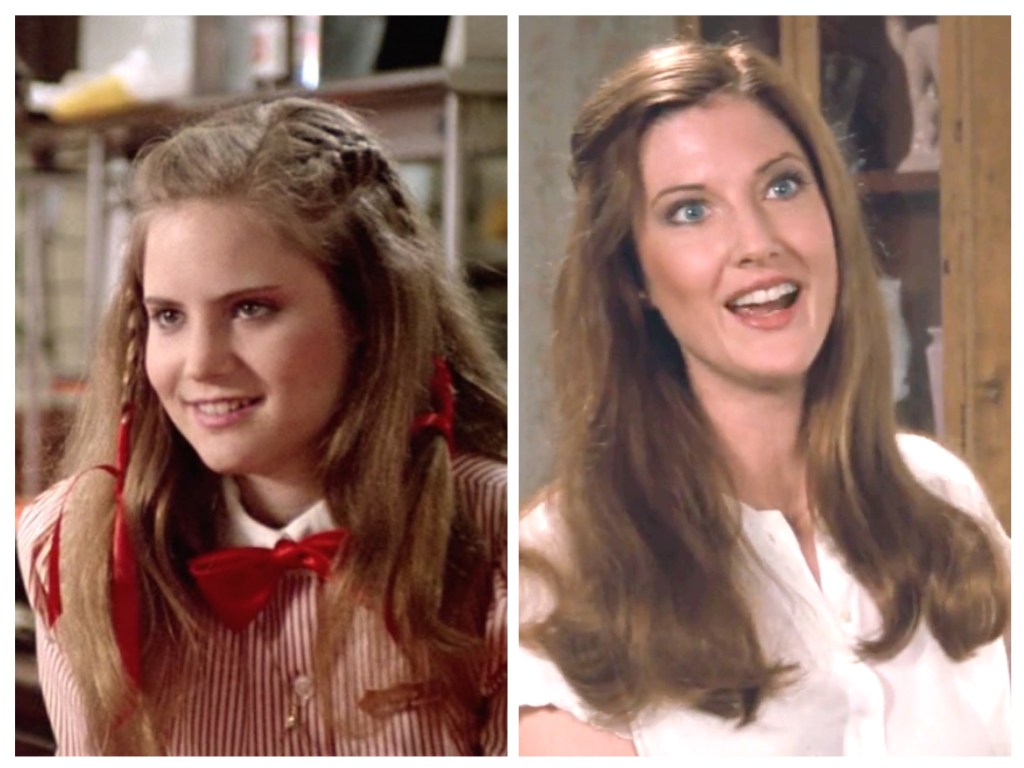
Another character addition to the script was Lana Lang, Clark Kent’s former high school crush. An early contender for the role was Jennifer Jason Leigh, best known for her breakout performance in Fast Times at Ridgemont High. Given that she was only 20 at the time, she felt herself too young for the role and bowed out of the project, a wise decision on her part. The role eventually went to Annette O’Toole, who was perfect. She and Reeve had a natural chemistry on screen and off, even though the relationship between Clark and Lana was a bit on the bittersweet side.
Another unusual casting choice was Richard Pryor in the co-lead role of Gus Gorman, a down and out job seeker who has a natural bent towards computers and is ultimately brought into Ross Webster’s fold to create a supercomputer to conquer the world and destroy Superman. Pryor had appeared on Johnny Carson’s late night show and expressed his interest in the Superman movies, which led to the Salkinds offering him the role. In this clip from June 1983, Pryor talks with Carson about his work on Superman III:
And to think that his character had evolved from the original concept of the human supercomputer Brainiac. Given that this was after Pryor’s near tragic accident, his style of comedy seemed to be a bit safer and not as edgy as it had been in the 1970s. At times he tended to overshadow Christopher Reeve, and in fact Pryor had more screen time in the film than the top-billed Reeve.
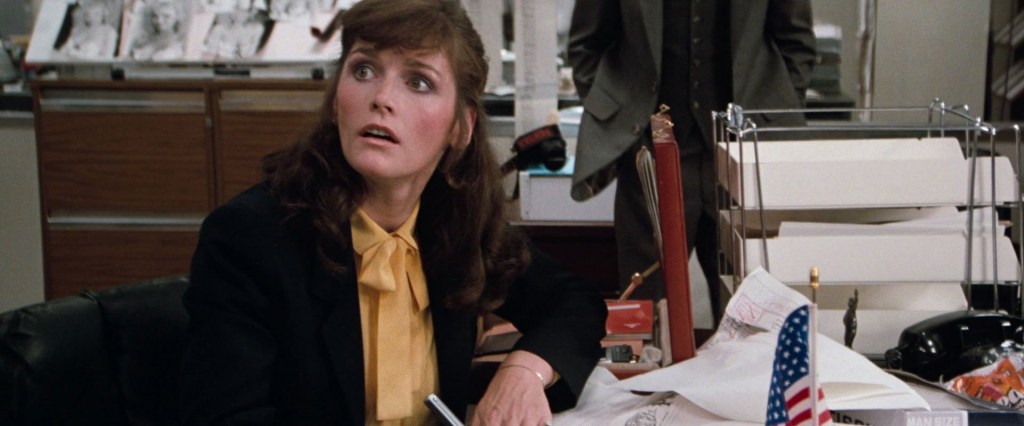
But the biggest casting casualty of the film was Margot Kidder. After her comments about the Salkinds in the British magazine Time Out in April 1981, referring to them as “beneath contempt” in their treatment of Richard Donner, and her lawsuit against the Salkinds for unpaid wages on Superman II, her role of Lois Lane was reduced to just twelve lines across two scenes in the early moments of the film and at the end. The Salkinds said that they wanted to pursue a different direction for Superman’s love interest in III, and this is even evident in Ilya Salkind’s original treatment for III in which Lois was present in only one scene at the beginning.
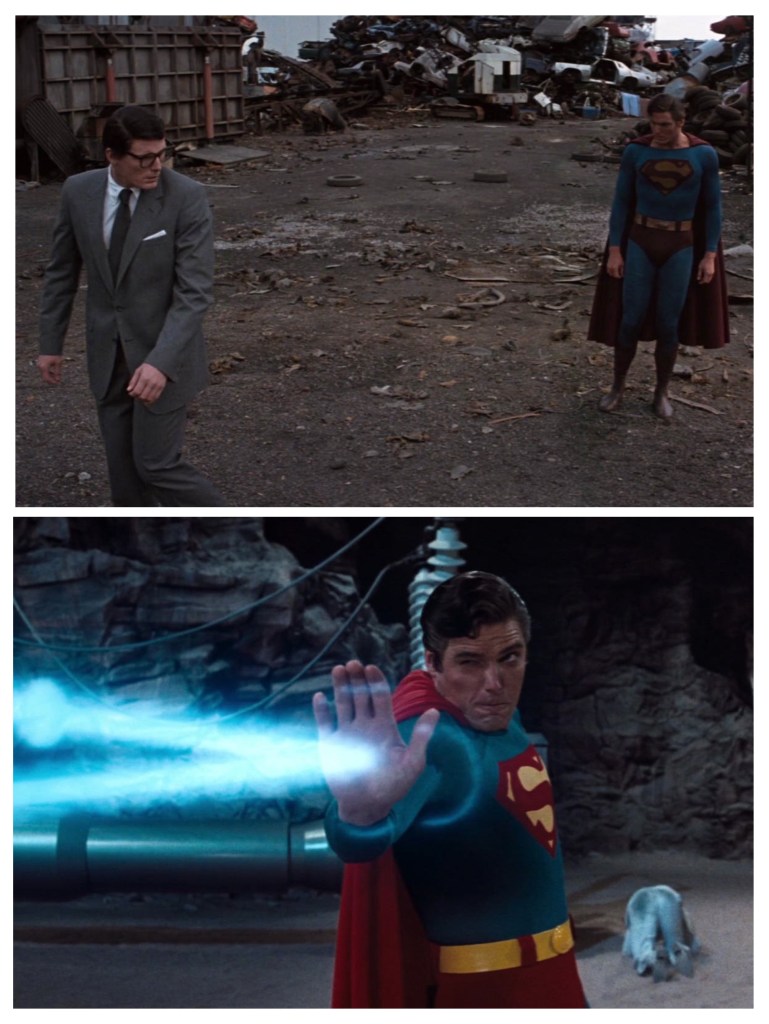
Filming proceeded smoothly through the second half of 1982, with shooting taking place in Calgary, Alberta, which doubled for Metropolis; over the Grand Canyon in the United States; and at Pinewood Studios in England, which included the memorable junkyard fight between Clark Kent and an evil Superman, and the Man of Steel’s showdown with Gus Gorman’s super computer which had the ability to detect anyone’s weakness.
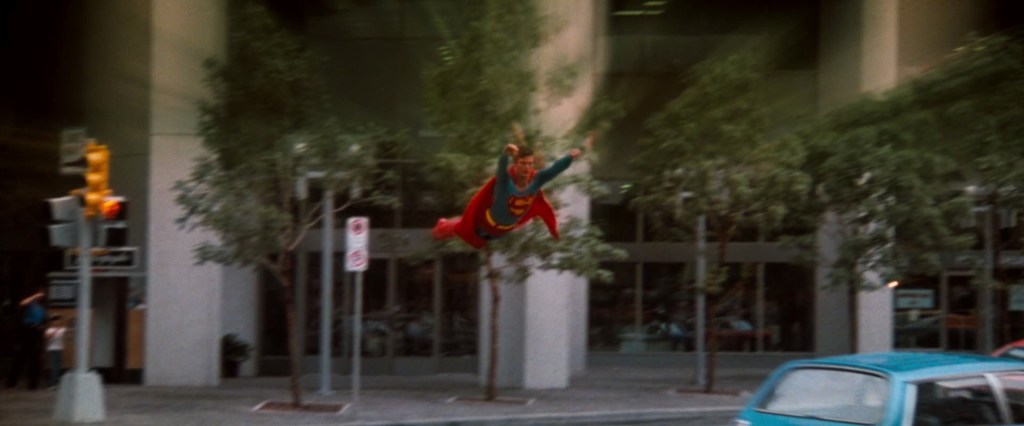
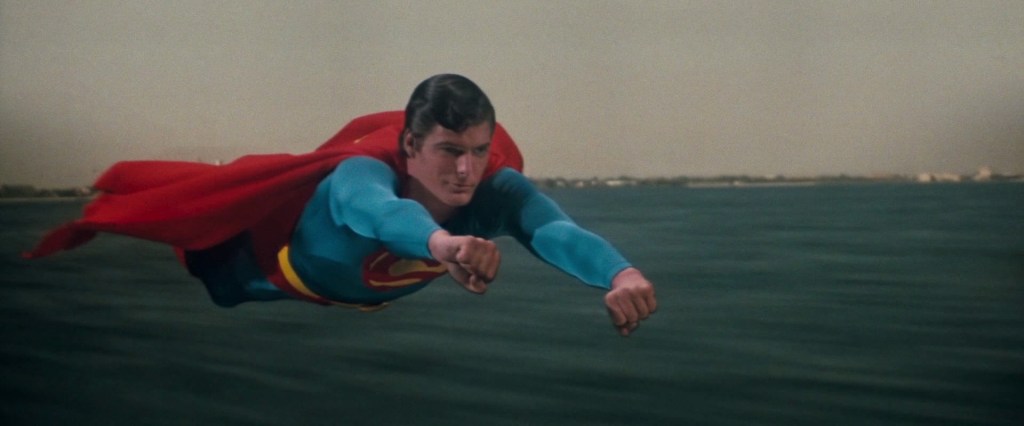
Superman III also contained some of the most realistic flying sequences of the entire series up to that point, both in terms of live flying and Zoptic mechanics. The live flying scenes were and still are some of the most believable shots ever filmed for a Superman movie, let alone a superhero movie at that, and it most certainly looked even more believable in the hands of the flying unit and Christopher Reeve himself. The shot of Superman flying over the city streets to rescue a man from drowning in his car was no small feat by any means. Coordinating with live traffic could have made it even more perilous if something had gone wrong, but the Superman crew prided themselves on as many safety precautions as possible and necessary to achieve such a stunt. And of course it goes without saying that the best special effect in the series was Reeve himself.
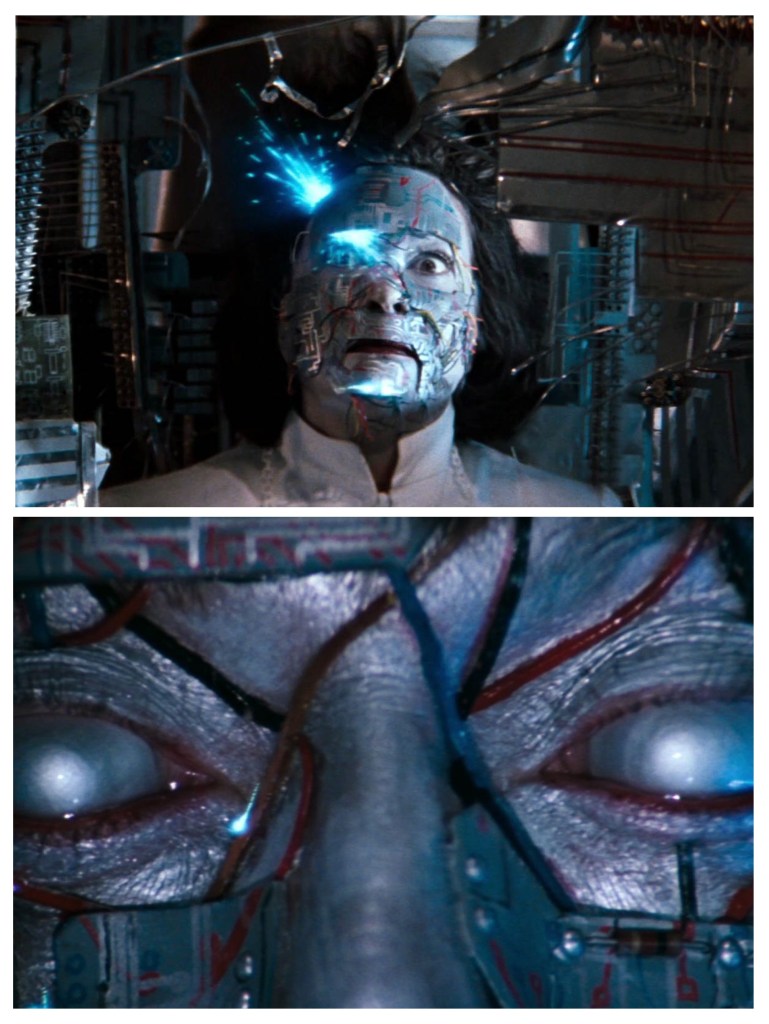
And some six years before the arrival of the Borg in the Star Trek franchise, Vera Webster found herself assimilated by the super computer and turned into the first female Borg in a moment that was almost chilling, especially for a Superman film. This itself was another callback to the Brainiac character, the humanoid computer being that Ilya Salkind first considered in his 1980 story treatment.
Four decades later, in the blockbuster Superman ‘78 comic book series, not only would we see cameos from Richard Pryor and Annette O’Toole, but we would also see a Brainiac that was directly inspired by none other than David Bowie himself.
But even as production continued, work was already underway on the Supergirl spinoff film, David Odell was at work writing the script, and in the first couple of drafts he had intended for Reeve to return as Superman in a cameo role. After five years and three films, Reeve had felt that he had done his time in the role and turned down the opportunity, which forced Odell to rewrite the script and include a cameo from Marc McClure as Jimmy Olsen. Given that Supergirl failed both critically and commercially, Reeve had made a smart decision. Then again, Leonard Nimoy had returned for cameos as Mr. Spock in the 2009 Star Trek film and 2013’s Star Trek: Into Darkness, so there’s plenty of arguments for and against a Reeve cameo in Supergirl.
In February and March 1983, composer Ken Thorne returned to conduct the score for the film, utilizing a number of John Williams’ original themes and motifs from Superman: The Movie as well as some new music to reflect the comic antics of Gus Gorman; the almost playful tones associated with Ross Webster, his sister Vera, and his “psychic nutritionist” Lorelei Ambrosia; and the warmer associations of Clark and Lana rekindling their friendship. Some 63 minutes of music was composed and conducted, with only two alternate tracks arranged. For the soundtrack album, some 17 minutes of Thorne’s music was used for the A side of the album, while the B side contained source music and instrumentals produced and arranged by Giorgio Moroder (the same composer who, four years earlier, won the Academy Award for his original score to Midnight Cowboy, beating none other than John Williams’ more memorable score to Superman). It would be another 25 years before all of Thorne’s music for the film was finally made available to fans in the Film Score Monthly box set Superman: The Music (1978-1988), followed by its re-release in 2018 from LaLaLand Records with the complete score to Superman II.
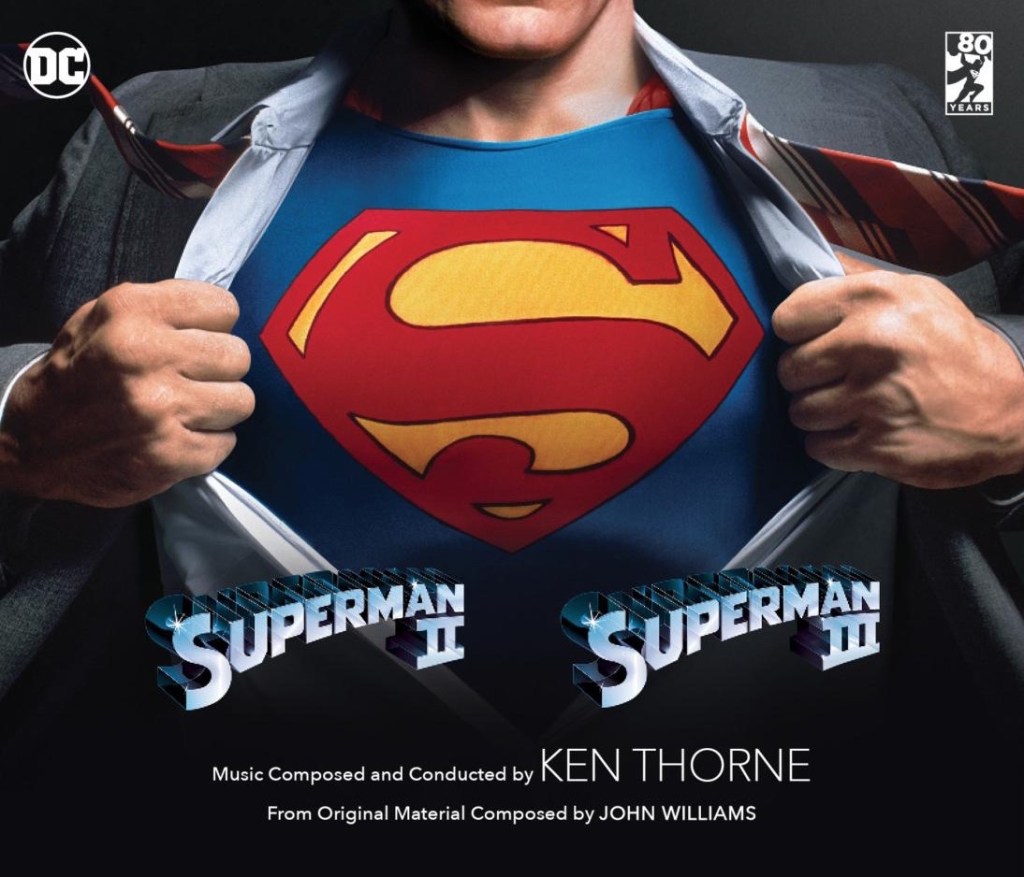
But one thing that was missing from this score—and the film itself—was an epic sounding main title in the vein of the first two films. Instead, the opening credits music was subtitled “The Streets of Metropolis”, covering the comic mishaps that occurred on one crazy day in the summer of 1980. For that matter, the title credits were awkwardly superimposed at the bottom of the screen over the film’s opening moments. Thankfully, when the extended TV broadcast aired on ABC in 1986, an all new main title sequence was utilized, using the film’s end credit music, thereby removing the awkward title credits from the film altogether. This is a much better title sequence that brings the film into proper alignment with the first two films, even if they’re still at the bottom of the screen.
And that theatrical trailer. It was the first time I’d ever seen a trailer that spoiled the ending of the film before its release. Typically, trailers are supposed to tease the film without revealing too much, and in some cases such as the first trailers to Gone With the Wind, Citizen Kane, and the 2009 Star Trek nothing from those films had been shown at all. But not so with Superman III. Perhaps that may have partly contributed to its mixed critical and commercial reception. Who wants to see a movie knowing how it ends before you get there? Not me. Of course, there’s Titanic, but that’s another story.

Superman III opened to mixed reviews, with critics complaining about the odd mixture of comedy and adventure, with Richard Pryor’s comic mugging played for weak, awkward laughs, as if he’s trying to be funny but it’s forced on viewers, which seemed out of place for a Superman movie. It wound up earning $59.9 million in the US box office, winding up the 11th highest grossing film of 1983, behind other larger successes such as Risky Business, Octopussy, War Games, Trading Places, Flashdance, and Tootsie. Oh, and that other little movie that overshadowed everything else that year… you know which one I’m talking about… something something Jedi… And maybe that’s also a valid reason why Eddie Murphy’s involvement with Star Trek IV: The Voyage Home wisely ended before it began.
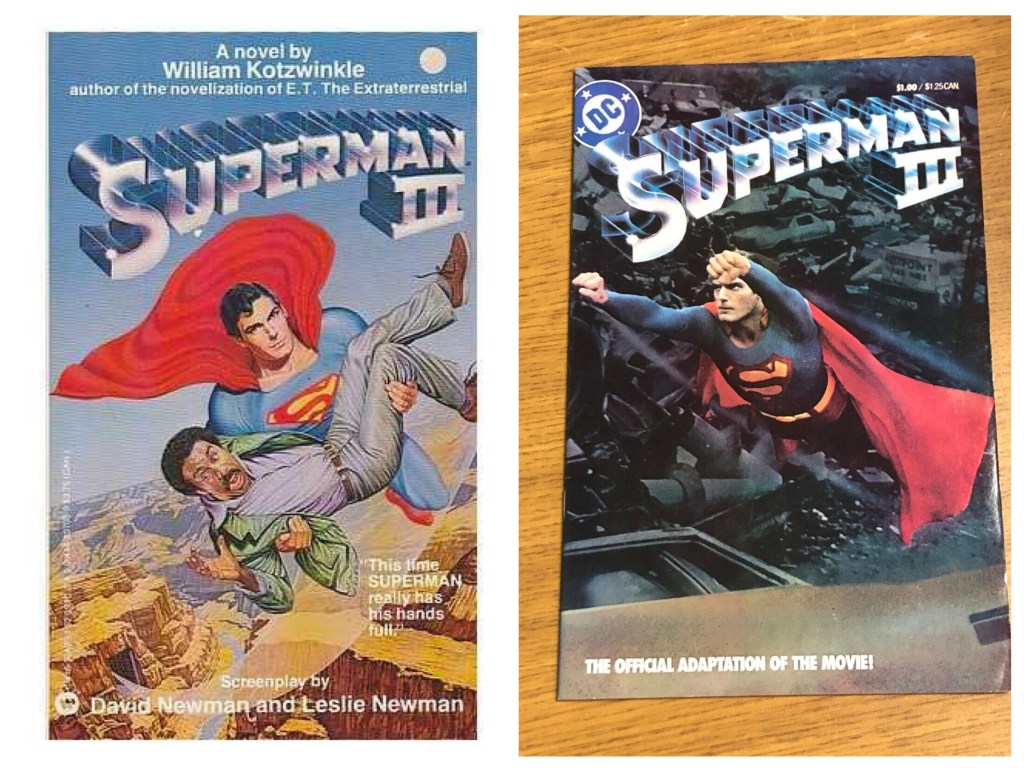
The film also had its share of firsts as well. No longer under the involvement or even the legal scrutiny of Mario Puzo, the Superman series could now be adapted into print, with a novelization from writer William Kotzwinkle and a comic book from DC Comics. If Superman looks an awful lot like Christopher Reeve in the comic book, it’s because Reeve specifically asked longtime artist Curt Swan to draw him that way—only fitting since Reeve’s portrayal of the Man of Steel first looked like a Curt Swan illustration come to life.
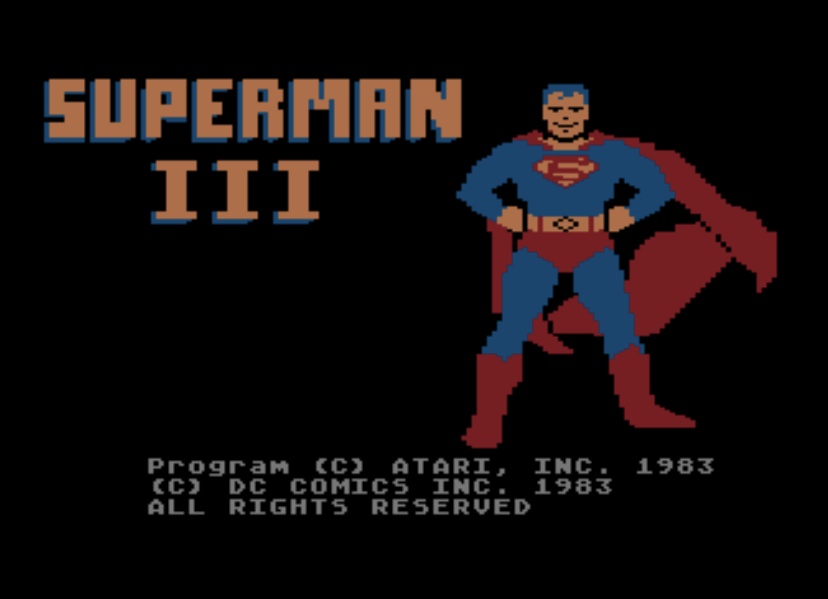
And then there was that fun computer game sequence of Superman escaping the missiles. Atari, then the leading video game developer behind scores of popular Atari 2600 home video games, developed the computer animation and went so far as to work on a prototype for its home gaming consoles. It’s too bad that it never saw the light of day. After the colossal and near mythic failure of its E.T. video game, those plans got scrapped, and by September 1983 thousands of Atari games (along with controllers and what have you) were buried in a landfill in New Mexico.
But Superman III still has Christopher Reeve in fine form, looking in top shape, with a more polished approach to Clark Kent in the process. Gone is the bumbling, mild mannered reporter, and now he’s more quietly confident in himself, which adds to his character development. And his dual turned triple performance adds another layer to the Man of Steel. And to think that the studio behind Kramer vs. Kramer would have potentially sued Warner Bros. if the film had been released as Superman vs. Superman. Sounds a little absurd, if you ask me. But the film has its fans and some good moments if you look hard enough.
It’s not the best Superman adventure, but it’s not the worst either. And with its recent release on 4K UHD, it’s looking better than ever.
 Superman: The Blog