And now we come to that one thing that is so much a part of every fanboy’s dream, whatever the franchise is… continuity. I don’t know where it began, or how, or with which franchise it started—it may have been the James Bond franchise, first with the Ian Fleming novels, then with the 1969 film On Her Majesty’s Secret Service, which provided a recap of key moments from the first five films before continuing with its adaptation.
Then it was Marvel Comics. Their look at storytelling allowed for not only continuity in their individual characters’ titles but also for smooth crossovers from one title to another. Then DC Comics followed in Marvel’s footsteps. Before long, whenever a revamp occurred, especially in the post-Crisis on Infinite Earths saga, continuity became a stricter adherence among all of the characters and their respective titles… that is, until the next revamp. And the next. And the next one after that.
And don’t get me started on the continuity of daytime soap operas! For some reason they would always play the card of having a child go off to summer camp for a couple of months, and the child was, like, eight years old, and then two months later they come back and they’re 16 years old! Where did they get sent off to, Camp LeJeune? Something’s definitely in the water there if soap opera producers could get away with that!
In the Superman films, there is a particular sense of continuity that occurs throughout all four films (five if you count the Richard Donner Cut of Superman II). What I’m going to do is break down a number of key events and moments in the film series and establish the continuity of the Christopher Reeve films. This isn’t going to be heavily detailed, but rather an assembly of broad strokes to give you an idea. Some events may be debatable, and there is plenty of room for such debates. I’m going to stick primarily to the events of the films themselves but will also look at some script information as well.
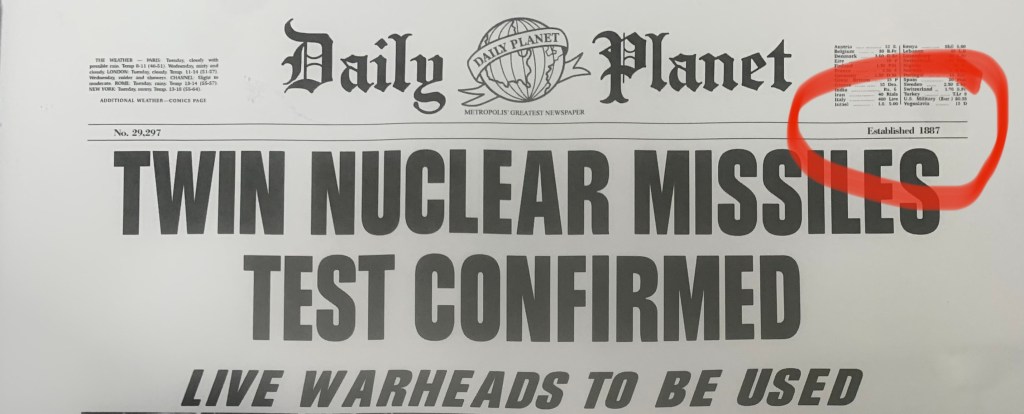
1887:
The Daily Planet is established. (STM)
1938:
Perry White begins his reporting career. (STM)

1948:
Jor-El banishes Zod, Non, and Ursa to the Phantom Zone. (STM, SII, S2RDC)

Jor-El and Lara place their infant son Kal-El in a rocket ship bound for Earth. (STM, S IV)
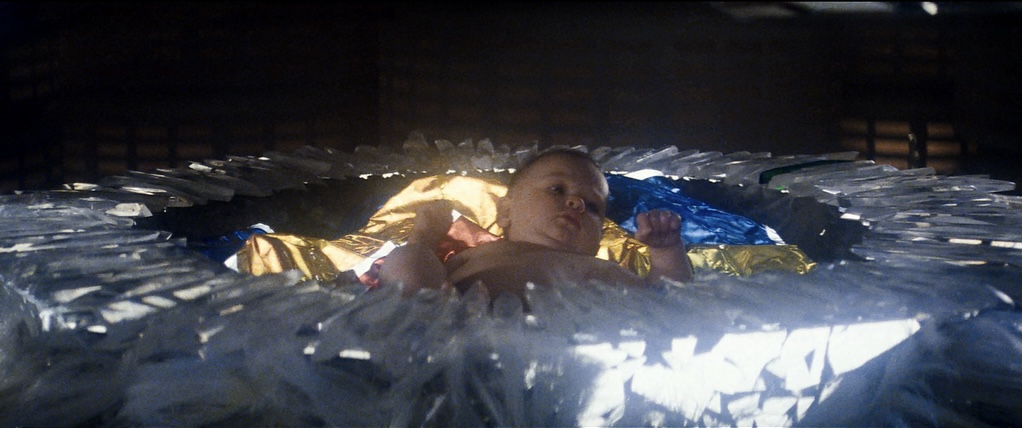
The planet Krypton explodes. (STM, SII, S2RDC, S IV)

1951:
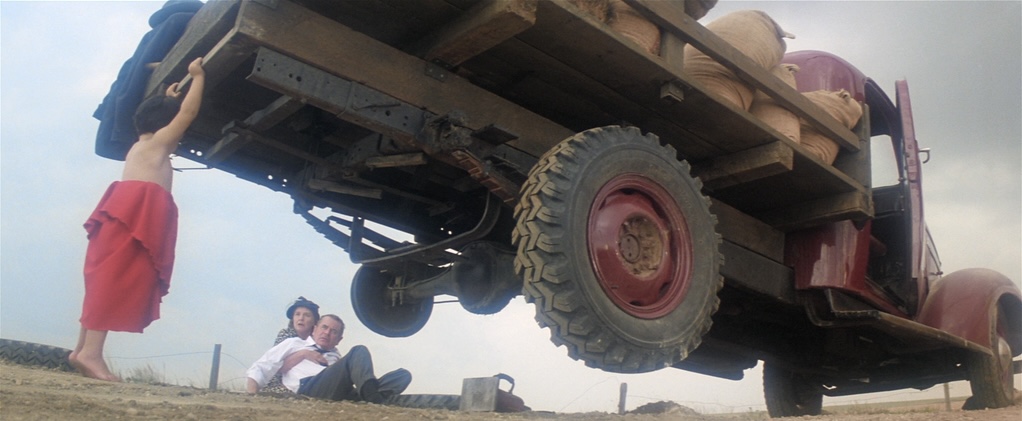
The crystalline starship bearing the infant Kal-El lands on Earth, where he is found by Jonathan and Martha Kent. (STM, S2RDC)
1958 (?):
Lois Lane, daughter of Sam and Eleanor Lane, is born.
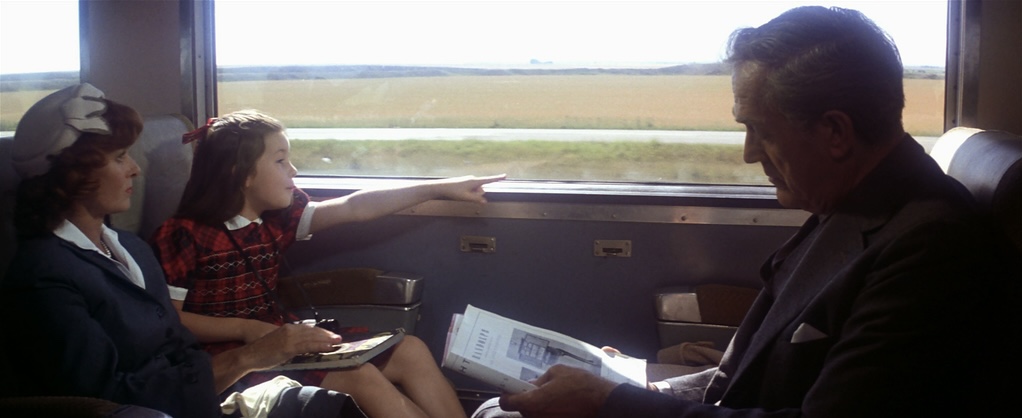
This one is based on information gleaned in the Tom Mankiewicz shooting script from 1977 in which he states that Lois is six years old when she spots the teenaged Clark Kent racing past the Kansas Star commuter train.
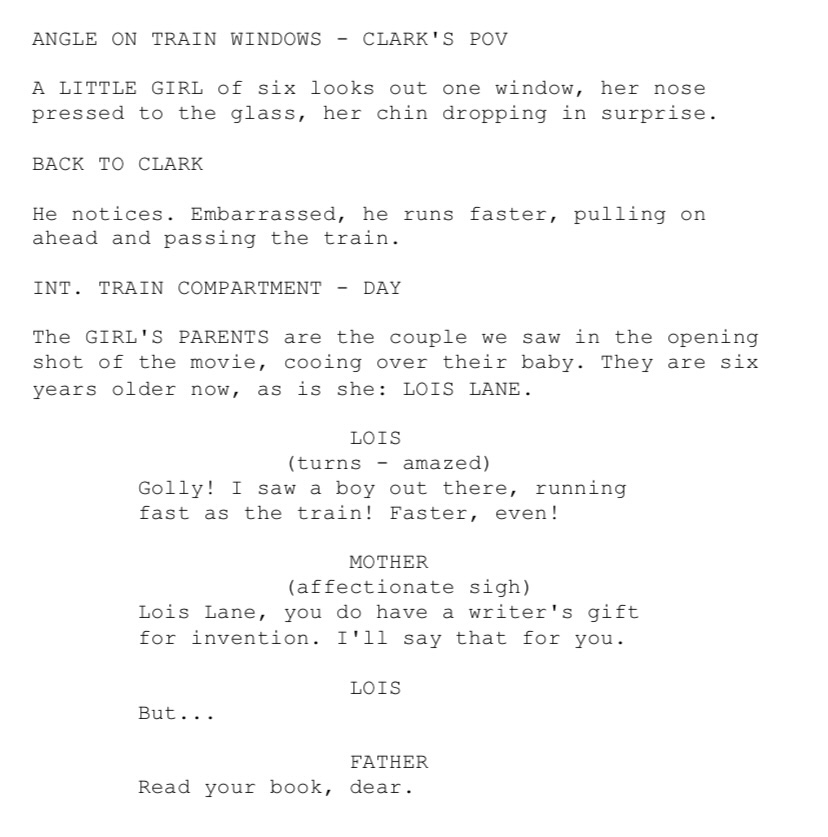
It seems a bit far fetched that Lois is ten years younger than Clark in the script, but this is what Mankiewicz wrote. Which means that if she’s only six at this point, then she would only be 20 years old in 1978! (There’s that Camp LeJeune water again!) Don’t blame me, that’s how he wrote it. If we go with this, then we have to go with the dating of this next collection of moments:
1964:
Clark Kent in high school. (STM)
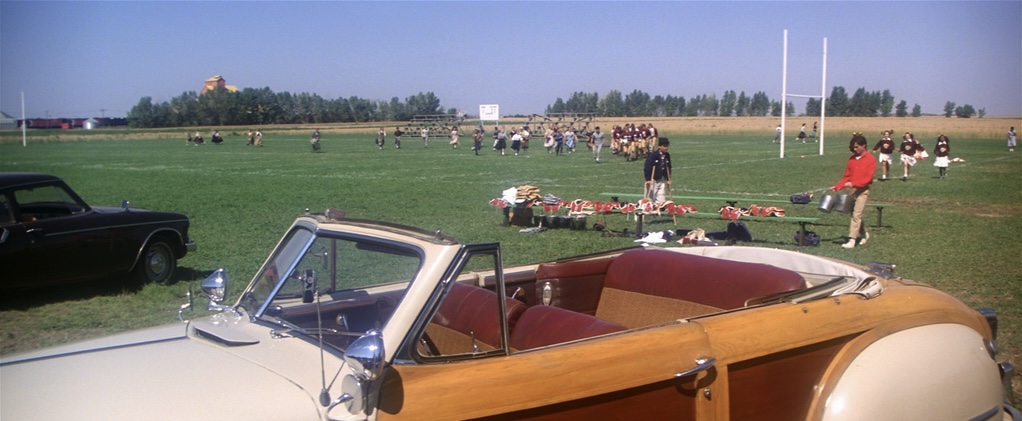
This I believe occurs in late August or early September 1964. This is very early in Smallville High School’s football season, based on their training and preparation for the game against Mount Vernon High School. Clark is 16 years old at this time, not yet 17, and it is equally believable that Clark is about to turn 17 early on in the school year, in September. (It happened to me too.)
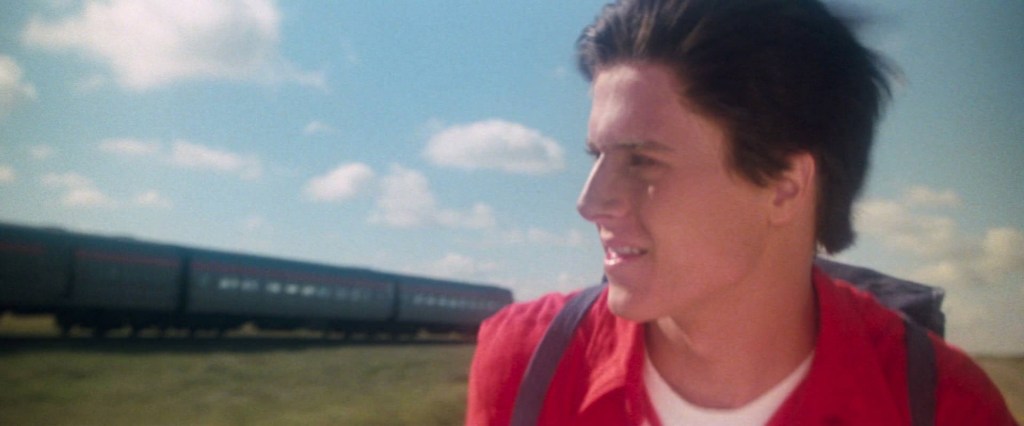
Racing the train. (STM)
The death of Jonathan Kent. (STM)

May 1965:
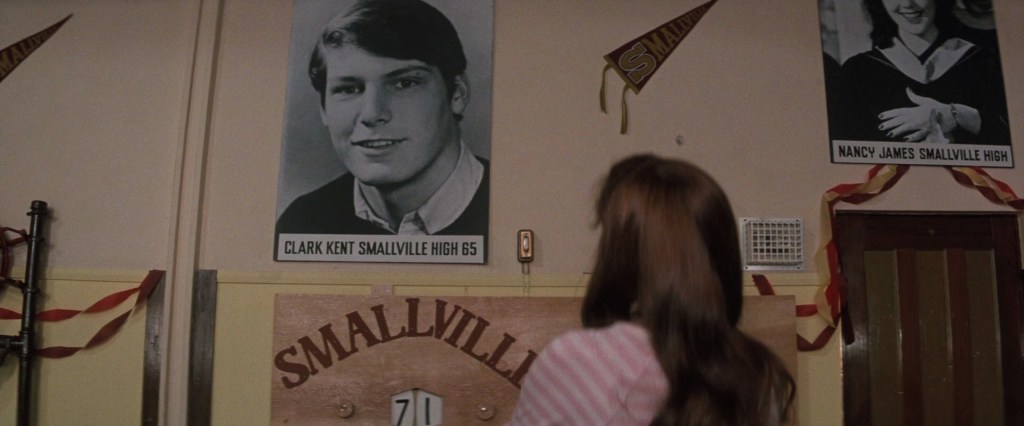
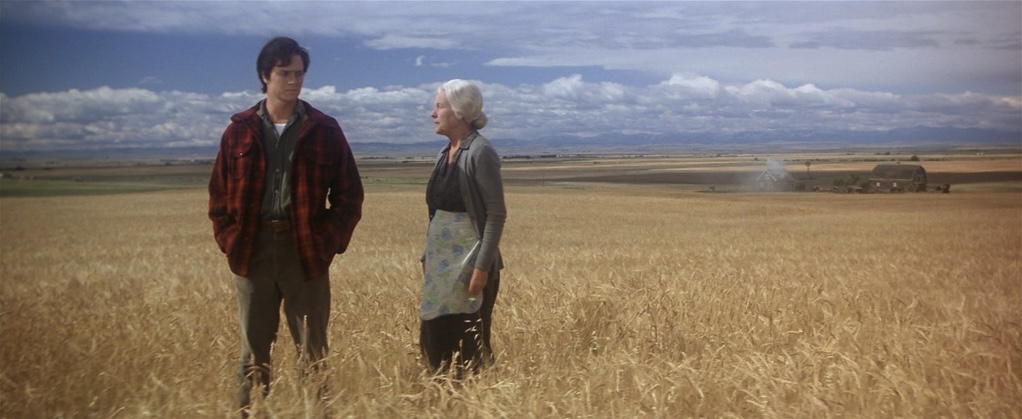
Clark Kent, age 17, graduates from Smallville High School. Among the members of his graduating class are Lana Lang, Nancy James, Donald White, and Brad Wilson. (S III)
1966:
Clark Kent, age 18, discovers the green Kryptonian crystal in the remains of his rocket ship in the family barn. He soon leaves Smallville behind and heads north. (STM)
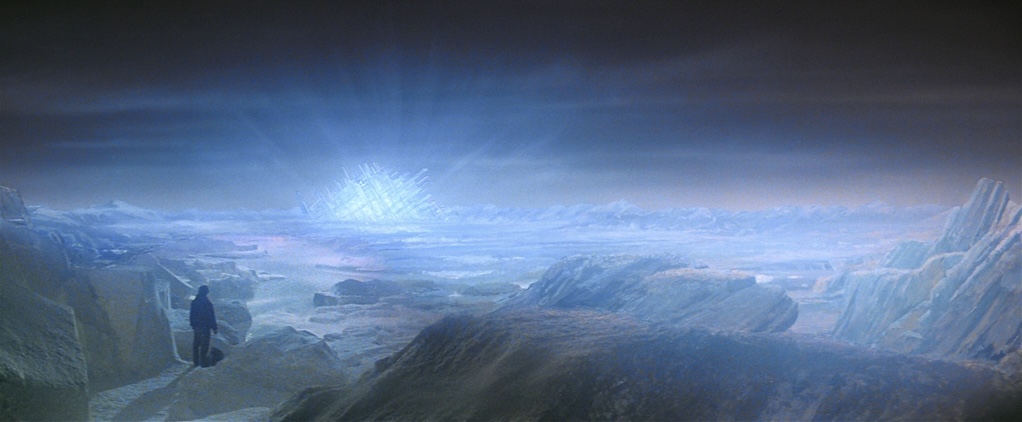
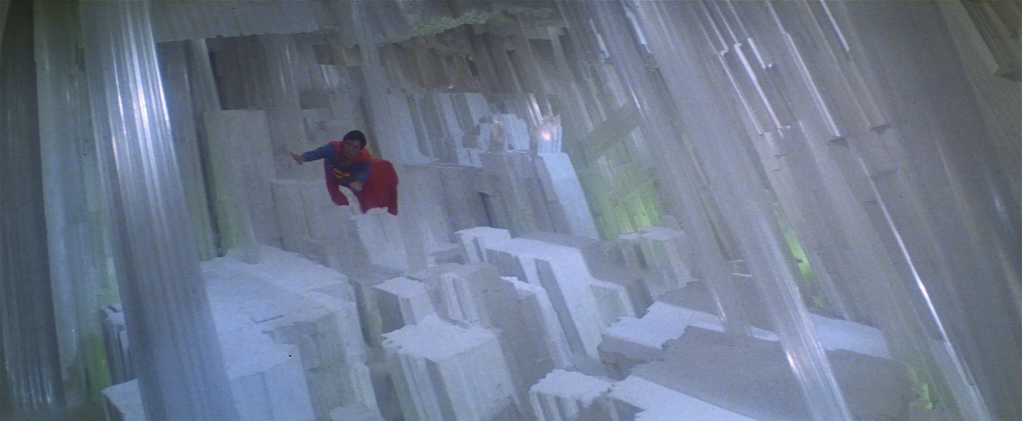
Once he reaches the Arctic Circle, he uses the green crystal to construct the Fortress of Solitude and interact with the educational crystals from his father Jor-El. (STM)
1978:
Clark Kent, age 30, leaves the Fortress of Solitude behind and heads out into the world as Superman. He will arrive in Metropolis, become a reporter for the Daily Planet, and fight for truth, justice, and the American way. (STM)
The events of Superman II occur.
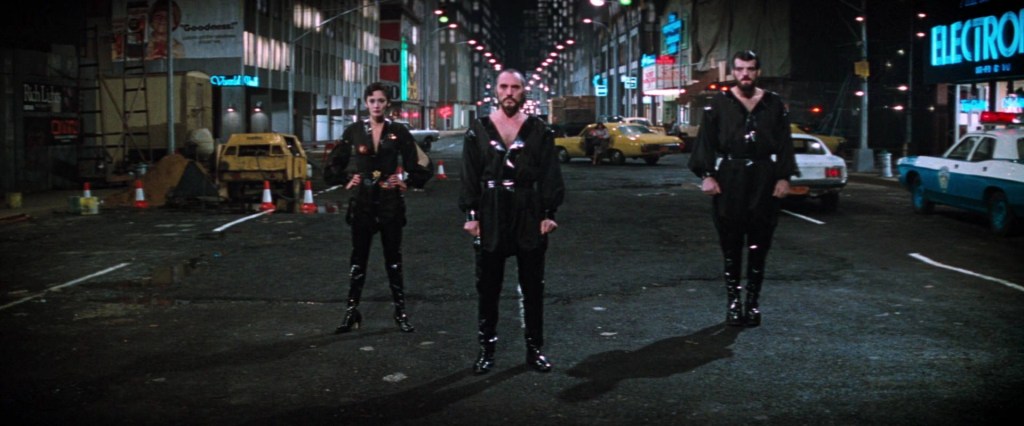
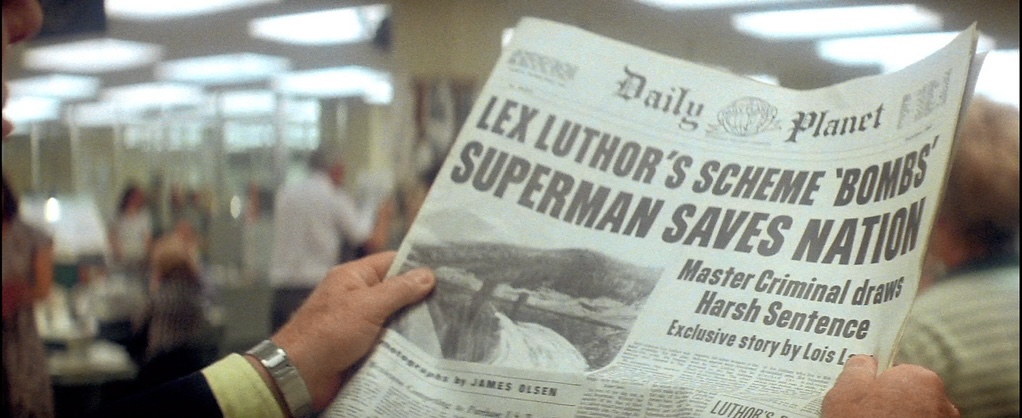
This one has a lot of leeway where calendar placement goes. According to Starlog magazine, the events of the theatrical version of Superman II occurred weeks after the end of the first film, and that dating is directly from the Starlog article itself. But with the release of Superman II: The Richard Donner Cut in 2006, the events of the film are moved up much closer to the end of the first film, as we see Perry White entering the Daily Planet reading the newspaper headline about Lex Luthor’s recent conviction and Jimmy Olsen’s photographs of the havoc at Hoover Dam. This obviously leads us to conclude that a very short amount of time has passed between films, only a matter of a few days.
June 1979:
Gus Gorman is hired as a delivery man and is fired after only one day for losing a two-inch Japanese television set. (S III)
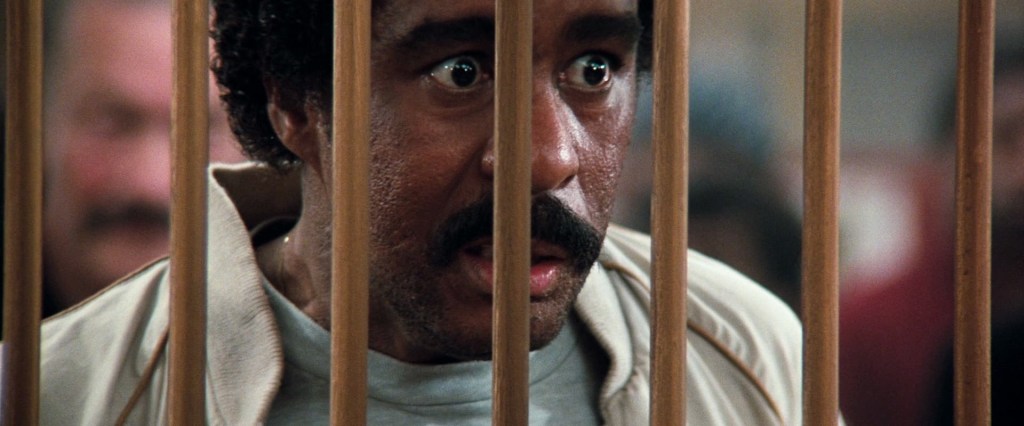
This one’s an easy placement because Superman III is set in 1980, and the unemployment clerk says that this job occurred “last June”.
October-November 1979:
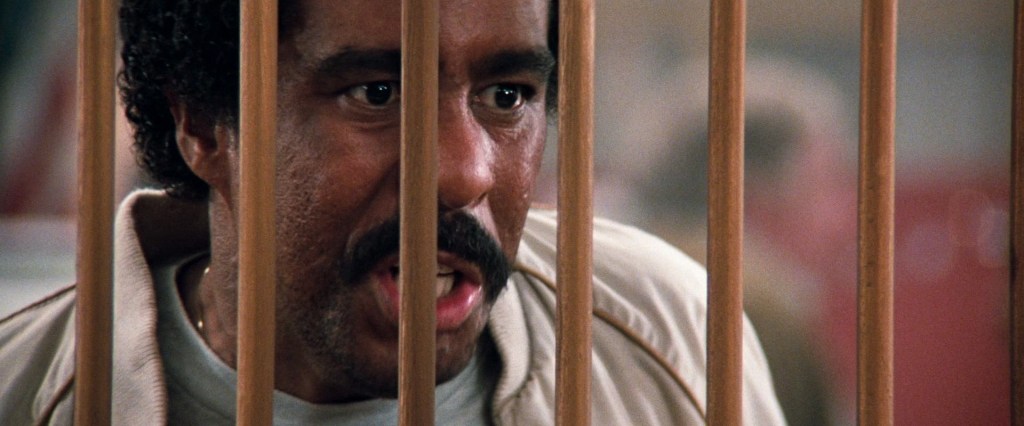
Gus Gorman is then hired at a fast food restaurant and quits after only 28 minutes. This begins a 36-week period of chronic unemployment and collecting unemployment checks from the city of Metropolis. (S III)
If we base this on the placement of Superman III as starting in early July 1980 and count backwards, we arrive at the approximate date for this event.
July 1980:
The events of Superman III occur, spanning three weeks.
This one has a more grounded calendar placement than the previous films, and this is for one key detail: the 1980 summer Olympics. According to Wikipedia, the summer Olympics were held in Moscow, in the Soviet Union, beginning on July 19, 1980, which would allow for this moment in the film to occur:

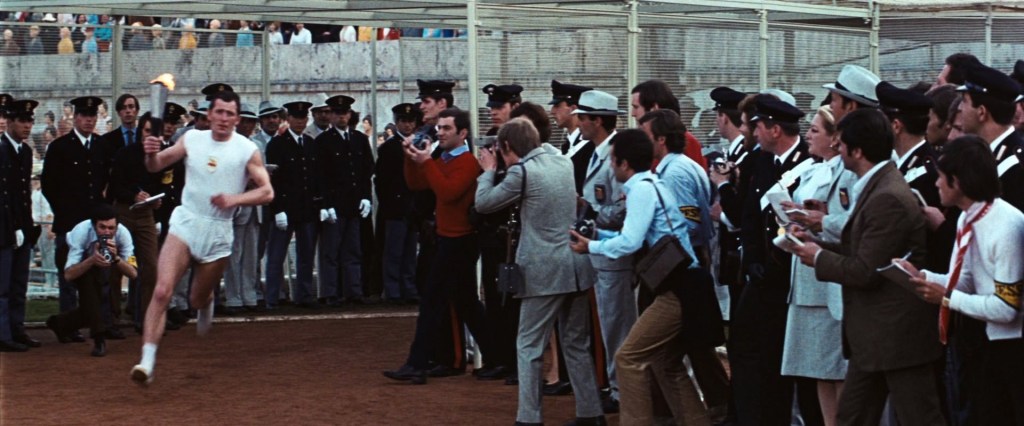
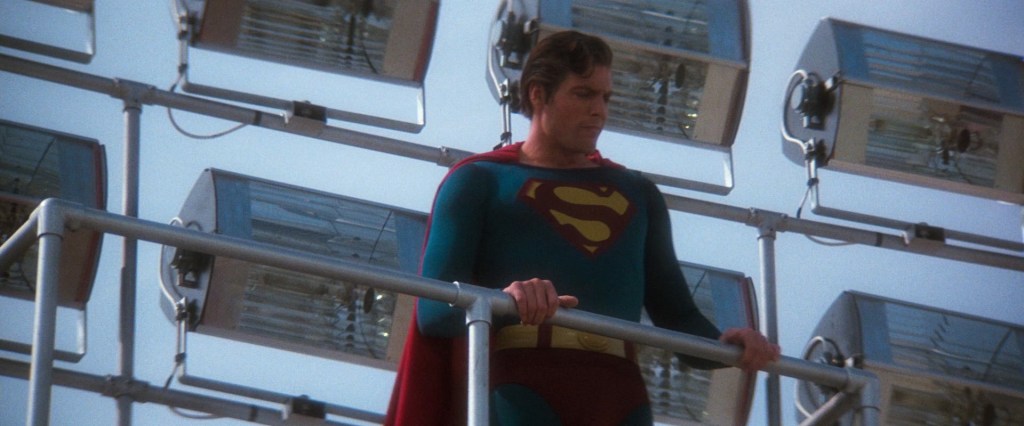
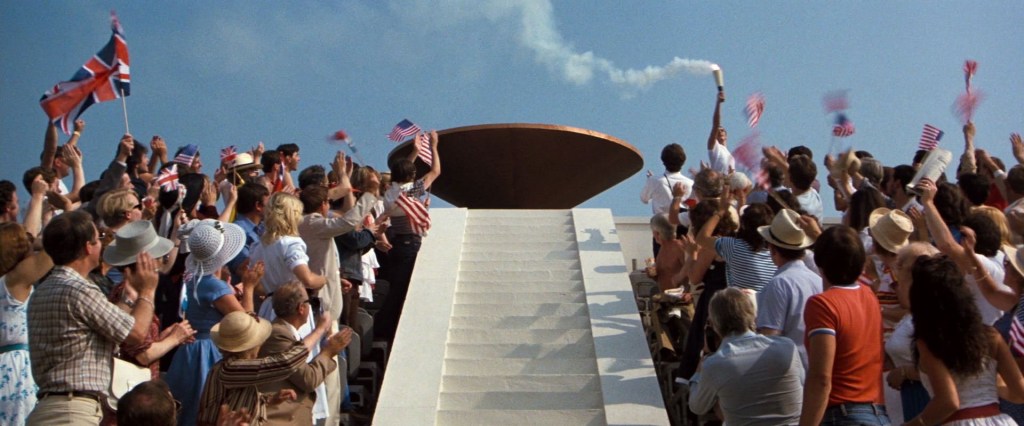
And this is also supported by a comment from Perry White to Lois Lane at the end of the film: “Who else could turn a three-week vacation into a story that’s going to blow the lid off of corruption in the Caribbean?”
1982:
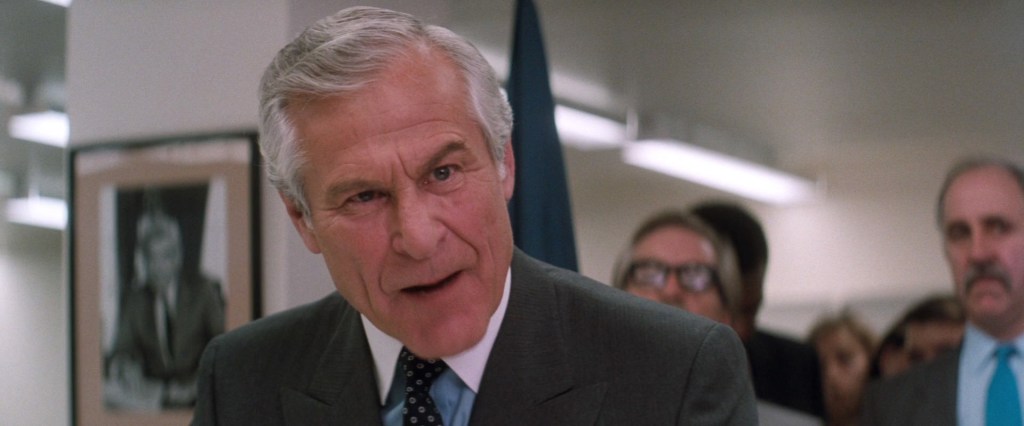
For the first time in its publication history, the Daily Planet fails to generate financial profits. It will continue its downward financial spiral for the next three years. (S IV)
1985 (?):
The events of Superman IV: The Quest for Peace occur. The events of the film span several days (or is it weeks?)
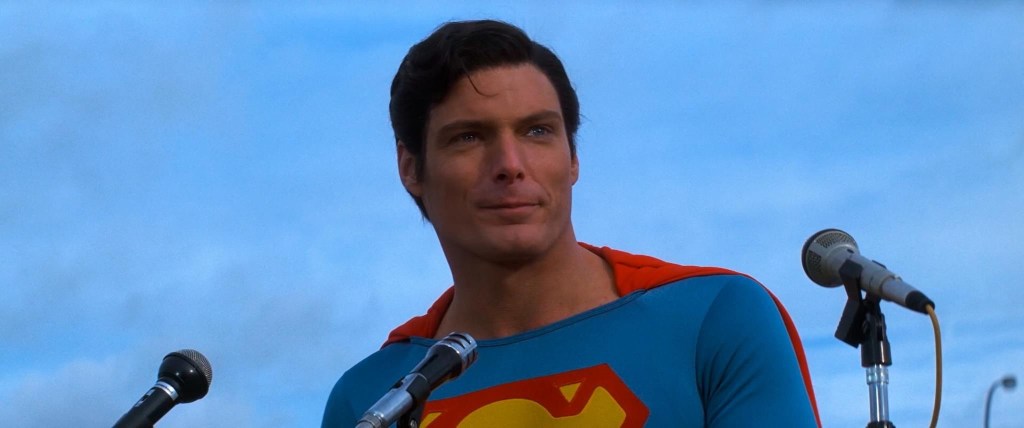
This one’s a bit wonkier where continuity placement goes, so you’re just going to have to roll with me on this one.
At one point in the film we have a definite date that appears on screen:
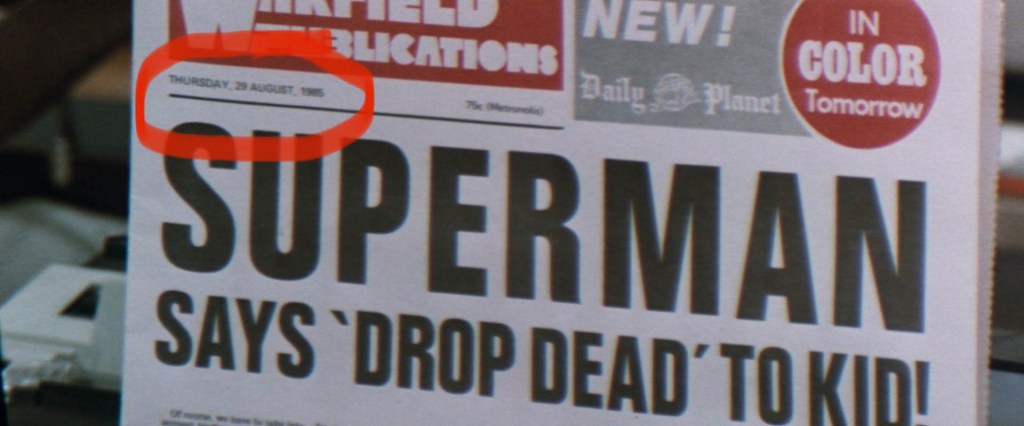
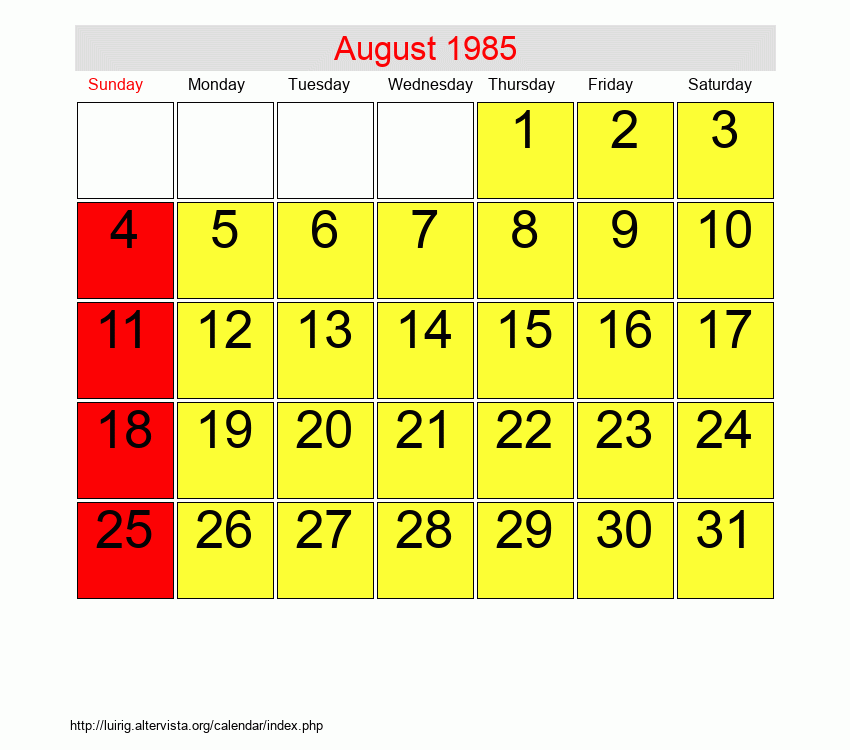
This is confirmed by the actual August 1985 calendar from back in the day.
But here’s where it gets really interesting. Consider these events as they occur in the film:

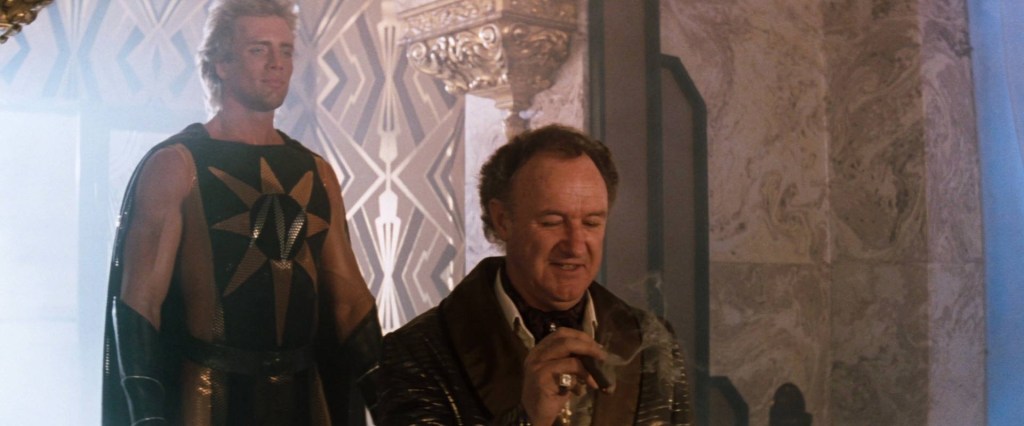
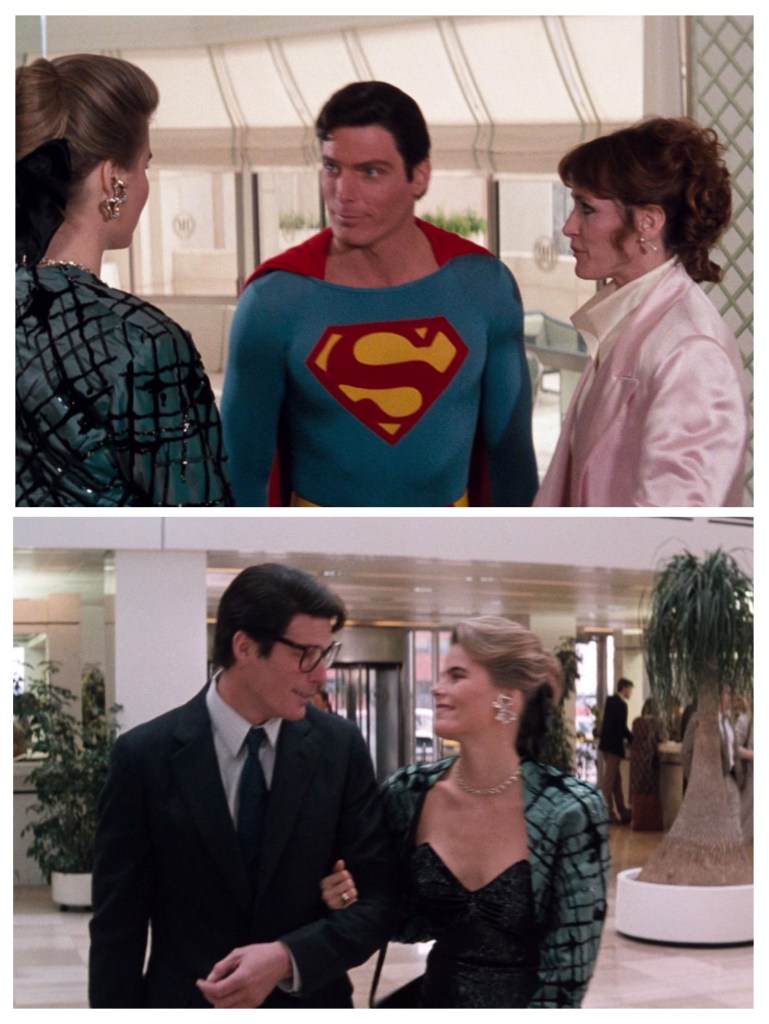
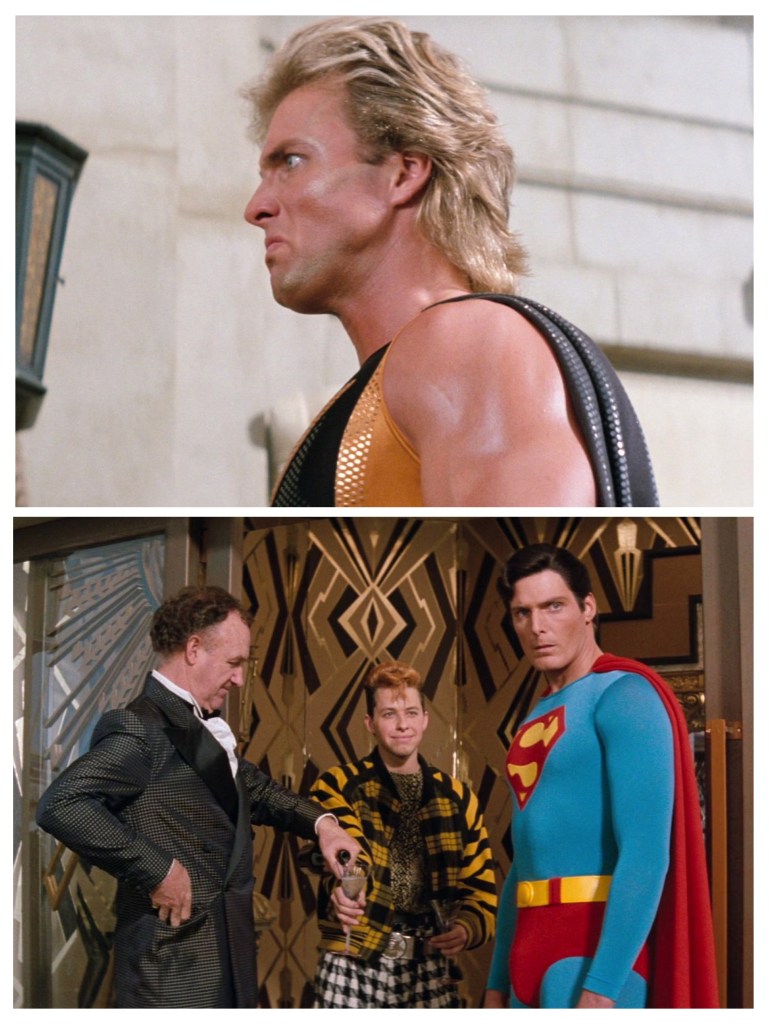
Now look at this particular moment during the double date when Lex Luthor contacts Superman via his private “Lex TV” frequency. Pay particular attention to the movie marquees at the bottom of the screen.
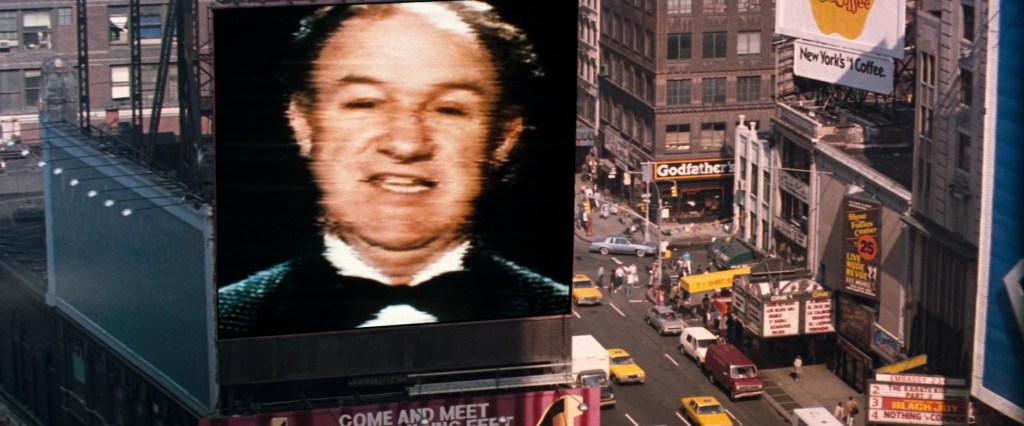

The Karate Kid Part II was released on June 20, 1986, while Nothing in Common was released on July 30, 1986. If we consider the above headline and the fairly quick placement of the events of the film, there’s no way that, barring the thought of the film spanning the course of a year, all of these things could happen shortly after August 1985. Time is out of joint indeed, to borrow from Shakespeare.
This should give you an indication of how the events of the Superman films are placed chronologically. You may have arrived at the same estimation that I have. Of course, your mileage may vary.
(Some of the screenshots in this blog are used courtesy of CapedWonder.com.)
 Superman: The Blog