
Four-letter words. “Wordy durds” as I heard it growing up. Unwholesome talk.
“You mean the profanity. That’s just simply the way they talk around here. Nobody pays any attention to you unless you swear every other word…” – James T. Kirk, Star Trek IV: The Voyage Home
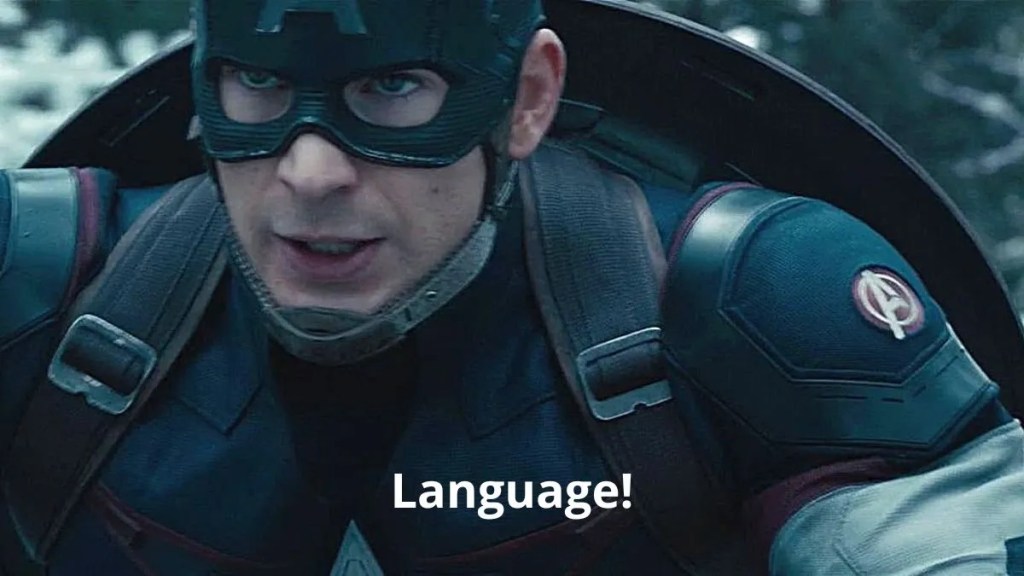
Or in the word of Captain America…
Before you get any thoughts, let me just say, no, I’m not playing the language police here, nor am I condoning the language that was used in the first three Superman movies. Rather, I want to take a straightforward approach at how and where such “wordy durds” appeared in those movies and how they were cleaned up for the extended TV broadcasts. (Surprisingly, Superman IV is the cleanest of the films where the language is concerned.)
It’s hard to believe that language in movies has been around for nine decades now, and we have this person to thank for it all:

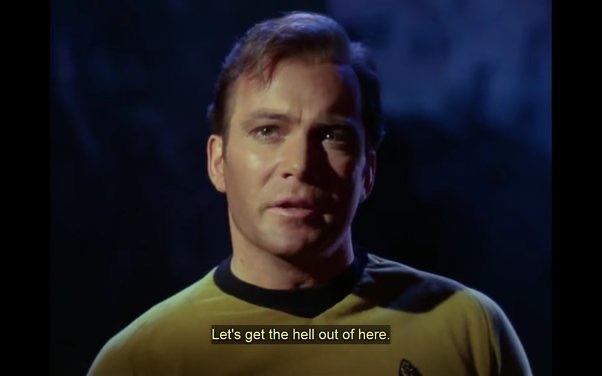
By the 1960s, language broke through on television, and this is probably the most notable culprit:
And then in the 1970s came George Carlin’s famous routine about the seven things you can’t say on television. Not going to share that with you, you’ll just have to look it up for yourself.
Over the years the networks have had to rely on what could and couldn’t be said (or shown) on television because of the rules and guidelines established by the Federal Communications Commission (FCC). And they still do. Nowadays with the explosion of streaming services, anything goes. Those guidelines are thrown out the window. So needless to say I was a bit floored when I saw none other than Sir Patrick Stewart—Shakespeare trained, Olivier award winner, writer, producer, Professor Charles Xavier of the X-Men film series, the esteemed Captain Jean-Luc Picard, and the accolades go on—dropping the F bomb during an episode of the final season of Star Trek: Picard. That definitely wouldn’t have been allowed on network television back in the 1980s and 1990s, or even in syndication.
When the Superman films hit ABC in the 1980s, the network made sure that the films were as squeaky clean as possible to keep the FCC happy. That meant some cleaning up in places and quite a bit of cleaning up in others. That’s just the difference between what Richard Donner filmed in 1977-78 and what Richard Lester shot in 1979-80 and then in 1982. In places it meant dubbing over those words with additional sound effects, in other places relooping those lines, and in some places trimming footage or inserting language-free alternate shots (this also happened for the network broadcasts of Ghostbusters and Tootsie, among others).
So where in the ABC airings of the Superman movies did those changes occur? Let’s take them one film at a time.
SUPERMAN: THE MOVIE
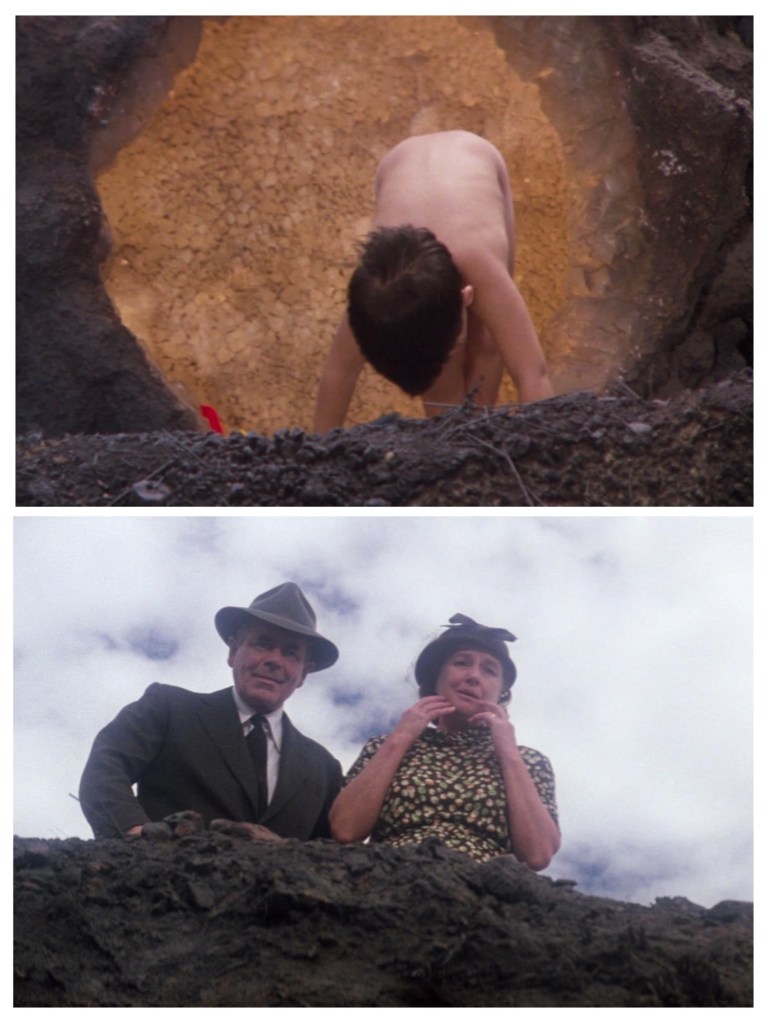
For its ABC premiere in 1982, there were two edits made for footage and two made for language. The first occurred early in the film when the infant Kal-El emerged from the wreckage of his Kryptonian starship on Earth wearing nary a stitch of clothing to the surprise (and even amusement) of Jonathan and Martha Kent. While behind the scenes pictures showed him wearing a cloak around him, Donner and company went with au naturel instead. So ABC cut the obvious footage from its telecasts, even when they later aired the theatrical version.
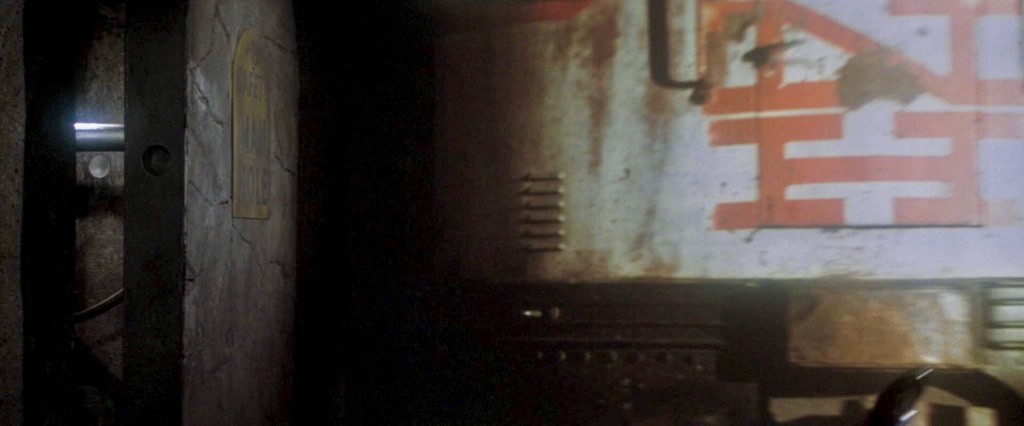
Later in the movie, as officer Harry pursues Otis to what he believes is the entry to Lex Luthor’s lair, Luthor automatically pushes the manhole cover forward as the commuter train approaches, forcing him into the path of the train to his death. ABC made the cut to the footage of Harry being thrown in front of the train, going instead with the sound of his voice as the train goes by.
Now we come to the language portion of the movie. During the shootout between the bank robbers and the police at the harbor, we clearly hear a couple of words said by the bank robbers. First, once they begin to board their getaway boat, one of them say, “Move your a—! Come on, come on!” That first part is cleverly dubbed over in the ABC broadcast with a couple of additional gunshots.
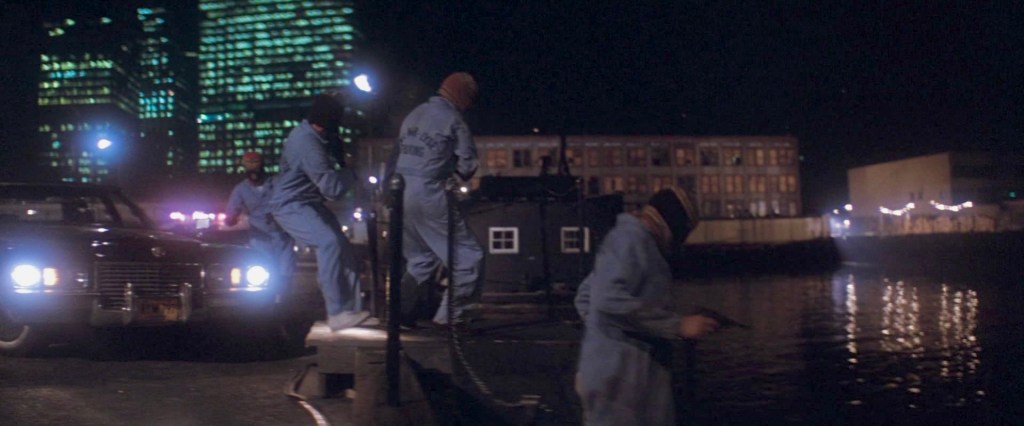
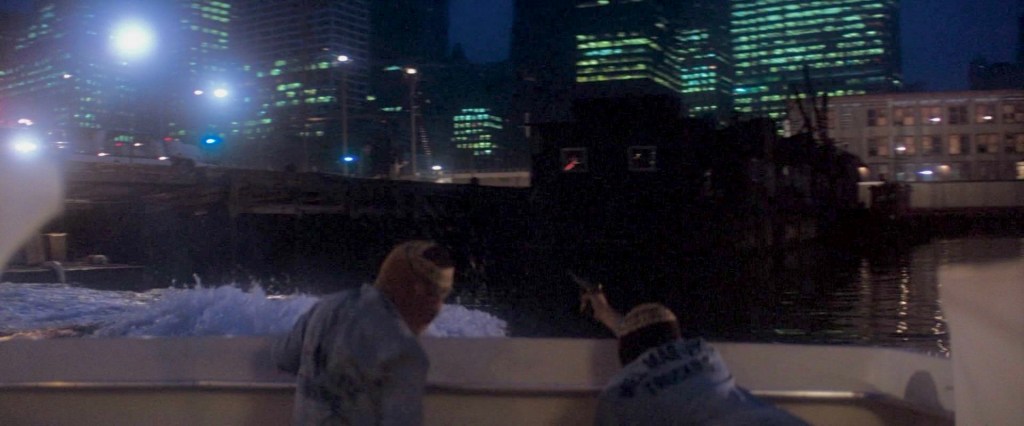
Likewise, as the getaway boat takes off from the harbor, the police officers demand that the bank robbers drop their weapons. We can clearly hear one of the robbers say, “Bull——! Come on, let’s get out of here!” As with the earlier shot, this moment is also dubbed in the ABC cut with a couple of added gunshots to remove the language.
SUPERMAN II
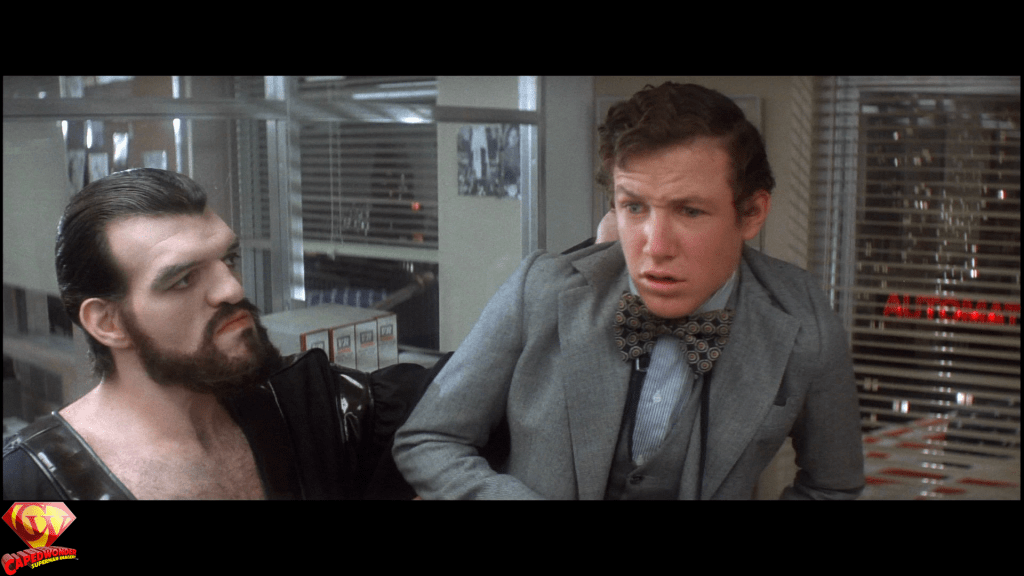
Before I go into the edits made for the TV broadcasts, I have to point out one moment that was cleverly handled by Richard Donner, writer Tom Mankiewicz, and editor Stuart Baird. It’s an added beat that appears not only in the extended TV broadcasts but also in Superman II: The Richard Donner Cut. Once the Kryptonian villains have rampaged through the Daily Planet, General Zod wants to know if Jimmy Olsen is in fact who they’re looking for and asks, “This is the son of Jor-El?”
Non lifts Jimmy up by the collar of his jacket, and Jimmy blurts out, “No, but I’ll bet you’re a son of a…” To which Lois stops him just in time from completing his colorful metaphor. It’s handled quite well both in the writing and the editing of the scene.
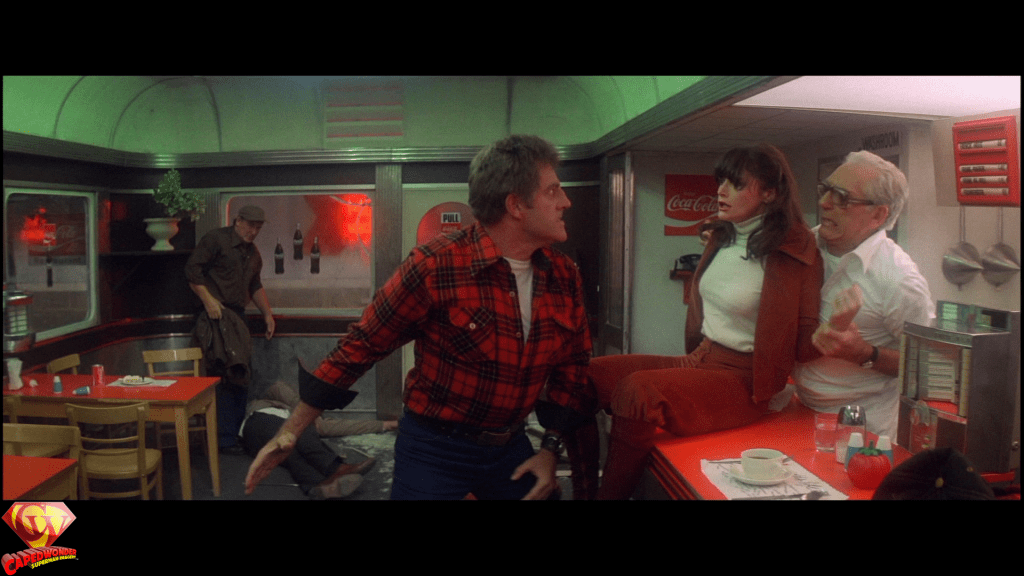
Another edit, which I mentioned in my earlier blog “Every Nook and Cranny” about all of the added footage in the TV cut of II, occurred only in the ABC edit during the first diner scene. As Rocky gets ready to leave, he says, “I don’t like your meat anyway.” This was slightly cut in the ABC broadcast to, “I don’t like you anyway,” to remove any potential sexual connotation towards Lois. This edit did not appear in the international telecasts, however.
Once Donner was removed from completing II, and Richard Lester took over, the door opened a little more for the language and even a bit of sexuality to be peppered into the film. A little seasoning is good for food, but don’t add too much to it. We’re not talking Samuel L. Jackson territory or Die Hard or anything R-rated here. Still, Lester and screenwriters David and Leslie Newman didn’t hesitate to pepper it up a bit for not only Superman II but also Superman III as well.
When the sheriff and his deputy encounter General Zod, Non, and Ursa, Zod demands that they make way, to which the sheriff responds, “Did I hear right? That son of a b—— give me an order?” This line is dubbed over in the TV cut to, “That son of a gun give me an order?”
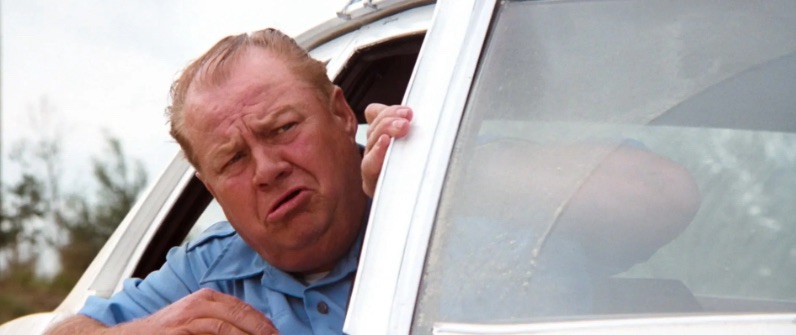
In the next moment we hear the sheriff tell Dwayne, “You gotta learn to kick a—if you wanna be a peacemaker.” For the TV cut this was relooped to, “You gotta learn to kick hard if you wanna be a peacemaker.”
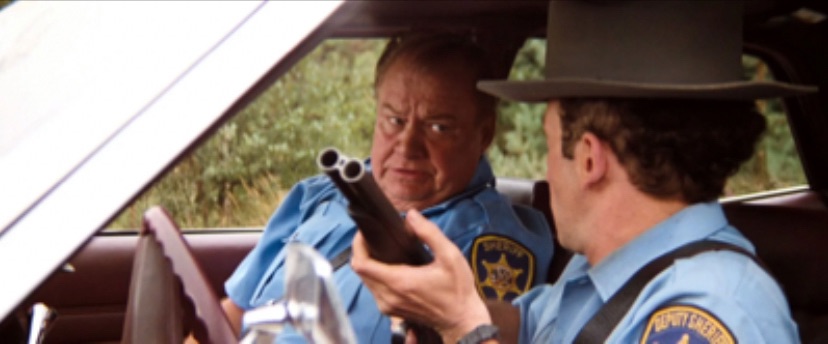
This next one is a footage replacement. Once Zod fires the shotgun on himself, we clearly hear Dwayne mutter an audible profanity. This line would not have gone over well on television, as some viewers would have taken offense at the use of the Lord’s name in vain. This clip was replaced in the TV cut with a clean, nonverbal alternate take (which would also appear in the original 122-minute version of the Richard Donner Cut).
SUPERMAN III
In my previous blog “The Lagniappe of Superman III” I mentioned how the edits for the TV cut were all over the place. If I had gone into them, that blog would have gone longer than I expected. Hence, this blog.
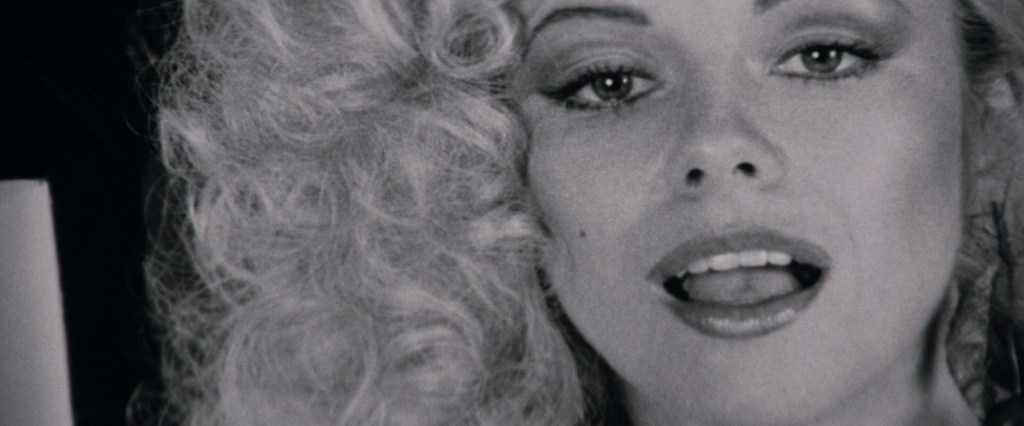
So our first edit is a visual one, as Perry White chides Jimmy Olsen about the amount of pictures he brought back after Ross Webster was chosen as humanitarian of the year. “You bring me back one picture of him and fifteen pictures of this other person…,” which turns out to be Lorelei Ambrosia. One of the shots is of her, well, front, but in the ABC edit the producers smartly duplicate the picture of her face. Standards and practices, y’all.
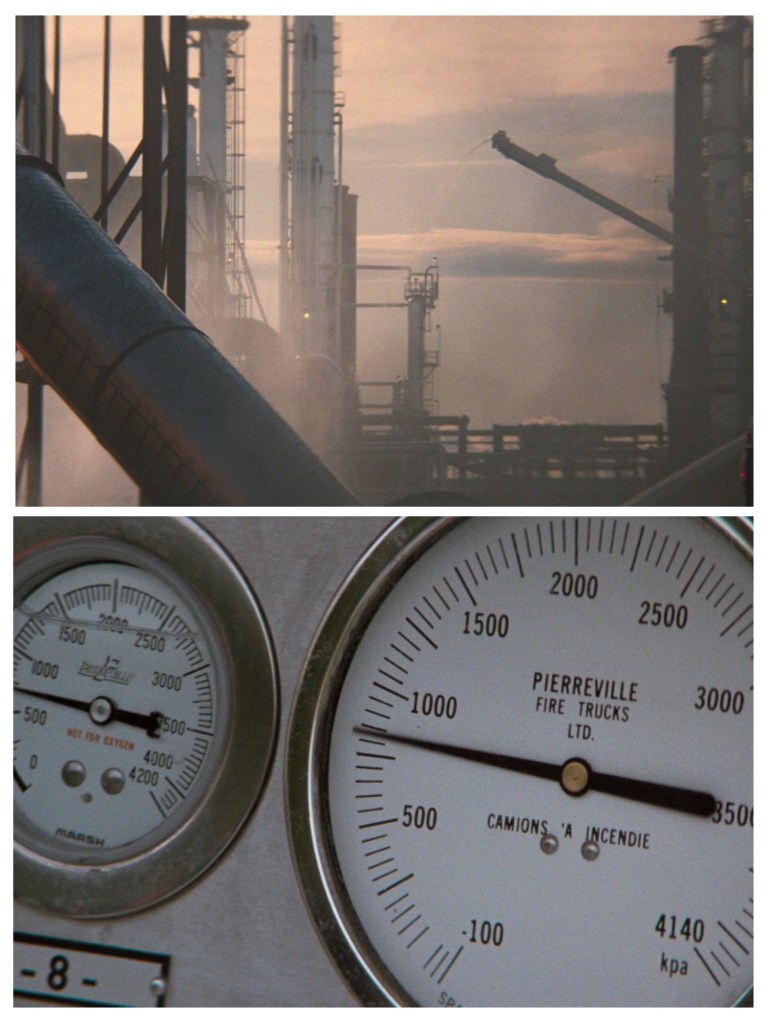
During the chemical fire sequence we have our first audio relooping for the TV cut. In the film, as the fire engines’ water supply runs out, we hear one of the firemen say, “———, the pump pulse has gone!” This is an audible profanity, as at that time taking the Lord’s name in vain was considered improper for television and might offend some Christian viewers. This was replaced in the TV cut with something to the effect of, “…port side! Going over here on the north side!”
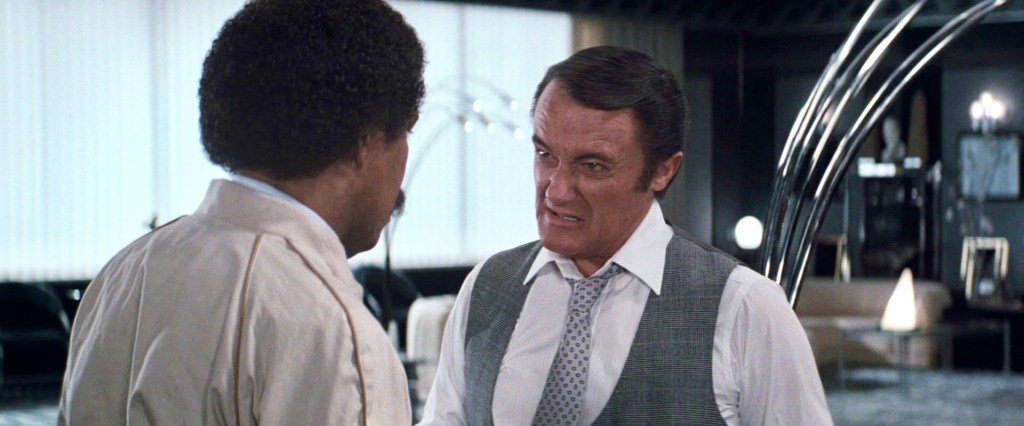
The next edit in the TV cut is a brief edit to remove an audible profanity. During the conversation with Gus Gorman, Ross Webster expresses his disdain toward Columbia and how they don’t want to play ball with Webscoe Industries, referring to Columbia as “one miserable piss ant little country.” This is trimmed down to “one miserable little country,” as ABC might have taken offense to the term “piss ant.”
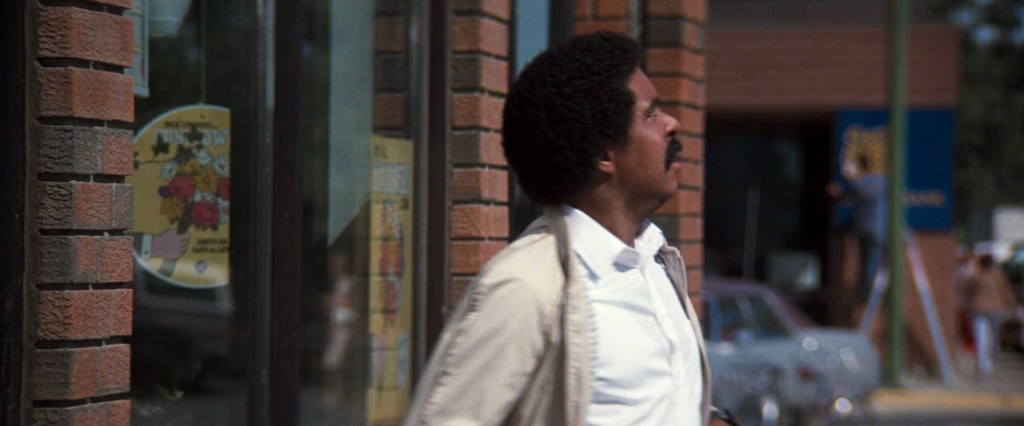
Later in the movie Gus arrives in Smallville, Kansas, to infiltrate the local Webscoe office and hack into its computer to access the Vulcan weather satellite. When he goes through town, he passes by a clothing store and notices a country-looking blue plaid suit. He then overhears a couple passing by and arguing, and all he can do is shake his head and mutter an obscenity. In the TV cut, said obscenity is dubbed out.
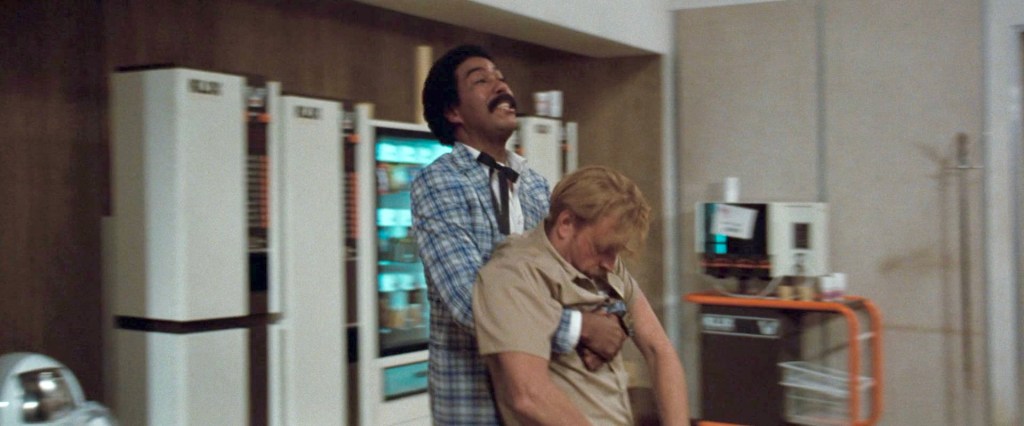
That night, Gus succeeds in getting into the local Webscoe office and getting Brad Wilson, former high school football star turned night security guard, drunk. In order to access the office’s computer, Gus drags Brad’s drunken body through the office to the computer room. Along the way, Gus notices how heavy Brad’s body is and mutters a certain four-letter word. That word is dubbed out of the TV cut, even though the music underscoring the scene remains intact.
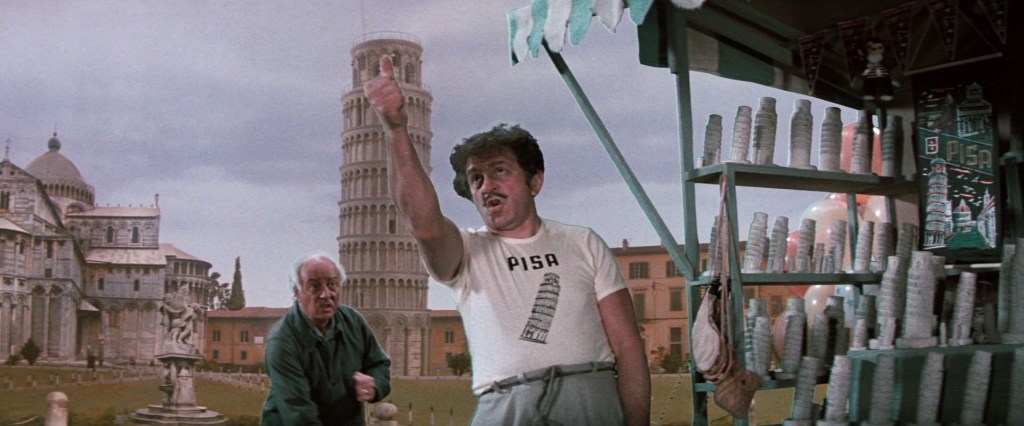
Once Superman has been corrupted by the tar-laced kryptonite, he starts going around the world and causing mischief wherever he goes. First stop: the Leaning Tower of Pisa. Once he straightens it, the little kiosk keeper throws his miniature tower to the ground and curses the Man of Steel out, saying, “Stronzo, Superman!” And this one’s an all-out curse. For the TV cut it’s been redubbed to where he now says, “Stornzo, Superman!”
If you’re not familiar with Italian, run both phrases through the translation app of your choice. Basically, stornzo translates to “stupid”, while stronzo… well, this one was deservedly cleaned up for TV for all the right reasons.
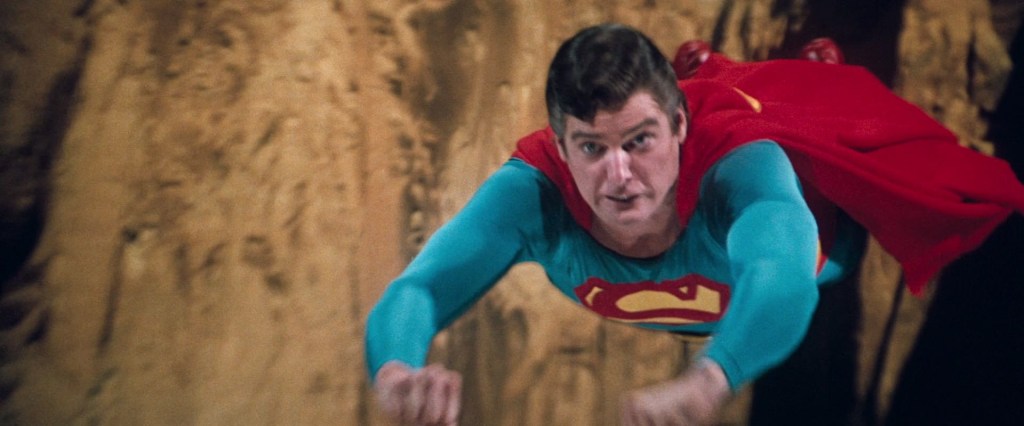
The fun doesn’t stop there. When Superman is back to normal and pursues the villains to the Grand Canyon, he dodges one missile after another in a nice visual dogfight until he collides head on with an MX missile. As Superman sees the missile heading right for him, we can clearly see Christopher Reeve mouth the word, “S—-!” Fortunately, we don’t actually hear him because the music and sound effects drown out any potential language. Still, if you watch him very closely, you can make it out.
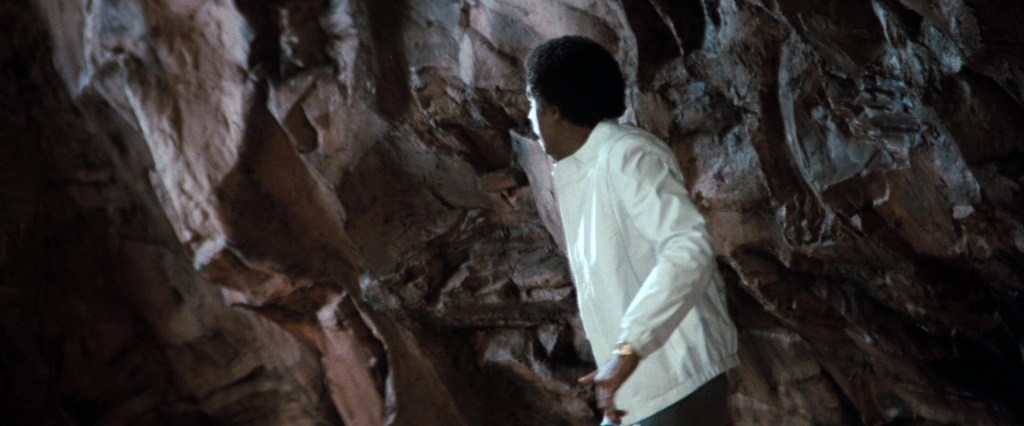
But not all language got cleaned up for the TV cut. When Gus finally arrives at the computer cavern, he throws a rock at his donkey and says, “Git, you jackass!” This is one time where a bit of language slipped through, as Gus is clearly talking to and about the donkey, so technically it’s not a true bit of foul language, but I mention it anyway.
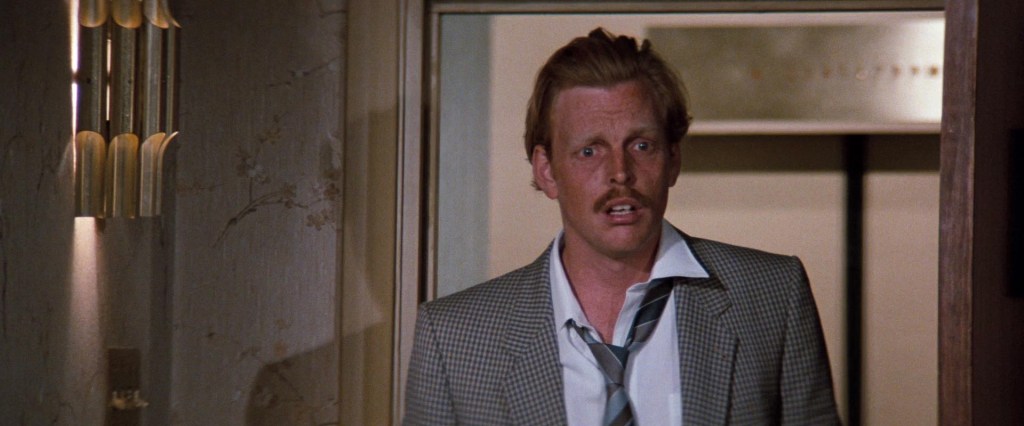
Finally, at the end of the movie, Brad tracks down Lana to a hotel in Metropolis and sees what looks like Clark proposing to her (when in fact he’s actually replacing her diamond ring that she had pawned the year before to pay her power bill). Neither Clark nor Lana expect to see Brad standing there, and Brad says, “Son of a b——!” In the TV cut this shot is replaced with a clean alternate take of Brad saying, “Kent….”
And that, dear reader, is how the first three Superman movies were cleaned up by the producers and by ABC for their broadcasts on television. And as I mentioned earlier, only Superman IV is the cleanest film in terms of such content.
To this day these alternate cuts have made the rounds thanks to file sharing sites, but I for one hope that Warner Home Video will release them on Blu-ray through the Warner Archive in an official capacity for fans to enjoy.
(Some of the screenshots in this blog are used courtesy of CapedWonder.com.)
 Superman: The Blog