
It’s one thing for a TV series to use repeated shots and visual effects to work within its allotted budget. The first five Star Trek series, and even a few of the Star Trek movies, are easy examples where the same effects shots are used and reused and reused ad infinitum as part of their narrative episodic and filmic structures. Even the original Star Wars relied on a few repeated visual effects shots to carry its story (and with a smaller budget at that), but not to the point of overkill.
One of the biggest problems with Superman IV is the use of multiple repeated visual effects shots, footage, and background plates throughout the film. I had always felt that with its reduced budget, the final version came off like a TV movie of the week, as opposed to the first three films in the series, which were made for the big screen.
Right from the beginning of Superman IV it becomes obvious that the visual effects are hampered by repetitiveness, as the same effects shots and background plates are used throughout the film. So let’s look at the culprits, shall we?
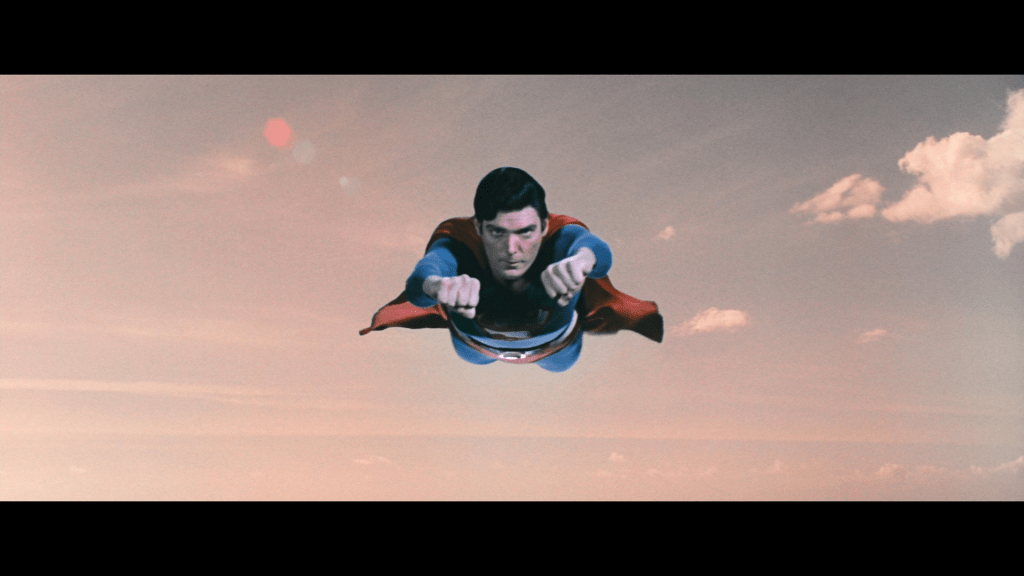
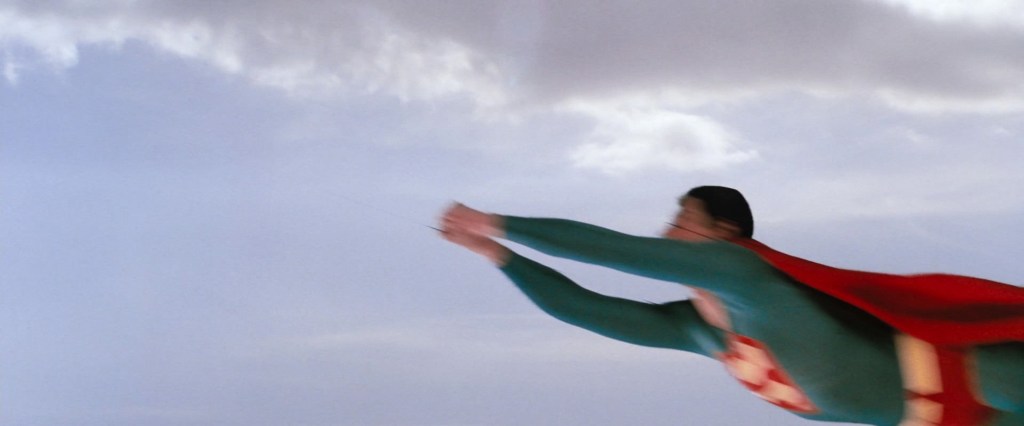
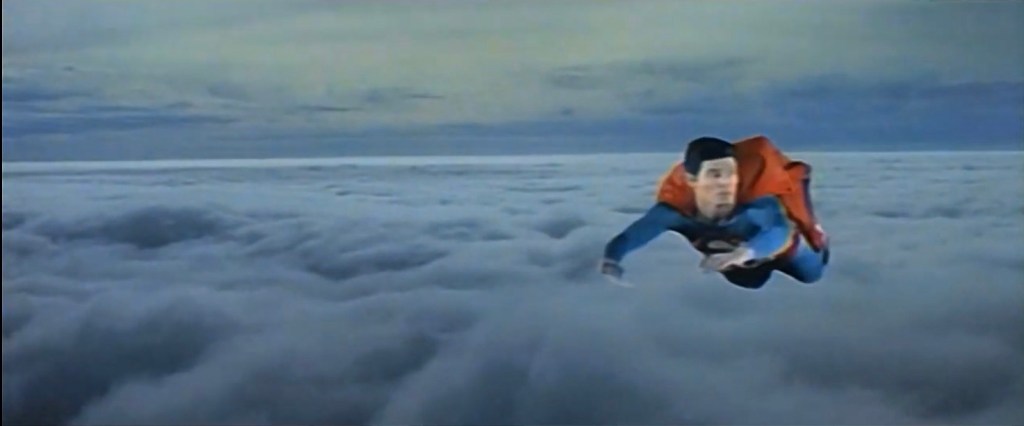
First up is this flying shot which crops up a total of six times throughout the film.
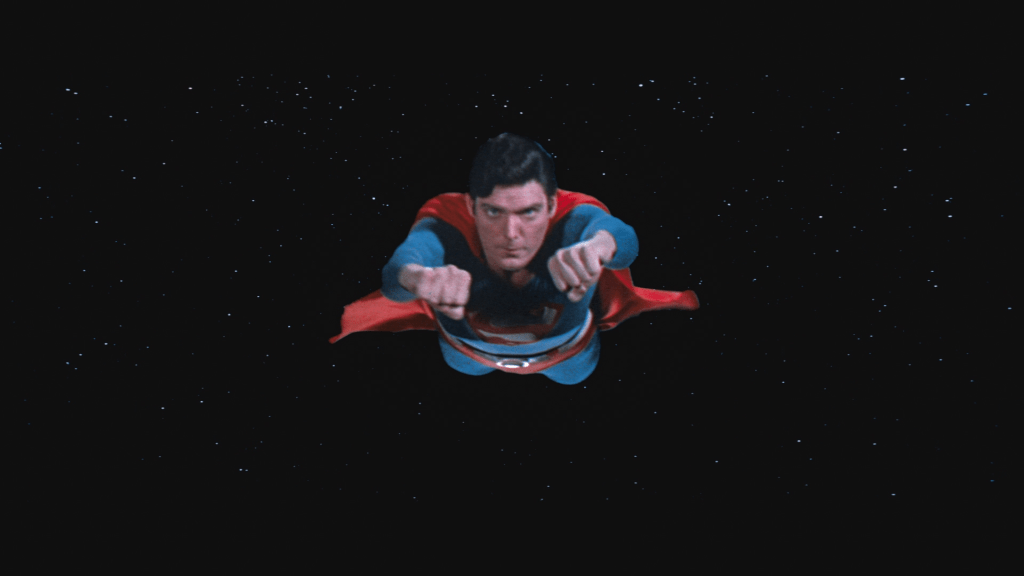
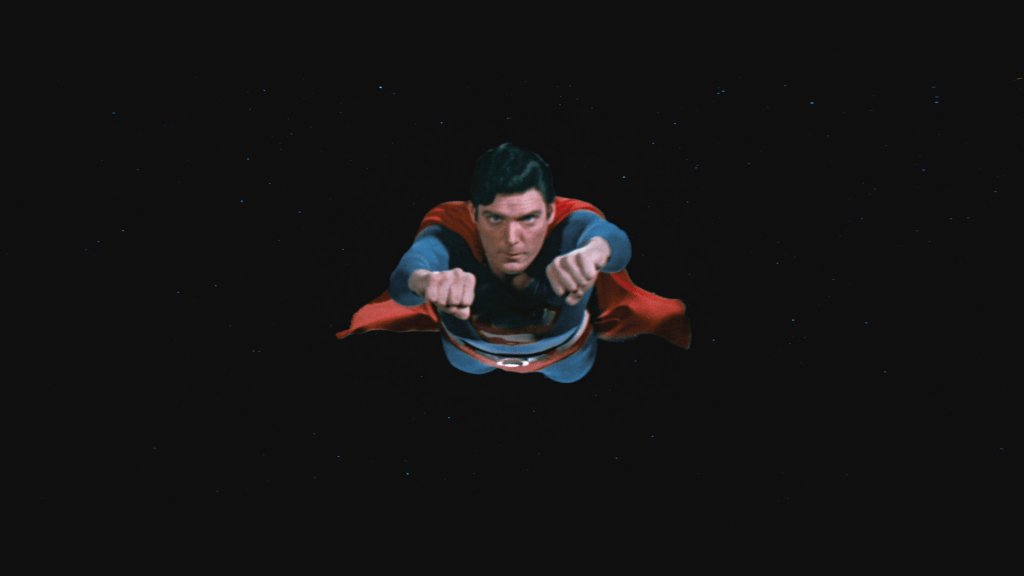
Later, in a scene that was deleted from the final film, Superman flies from Metropolis to Jeremy’s school to respond to his letter in person.
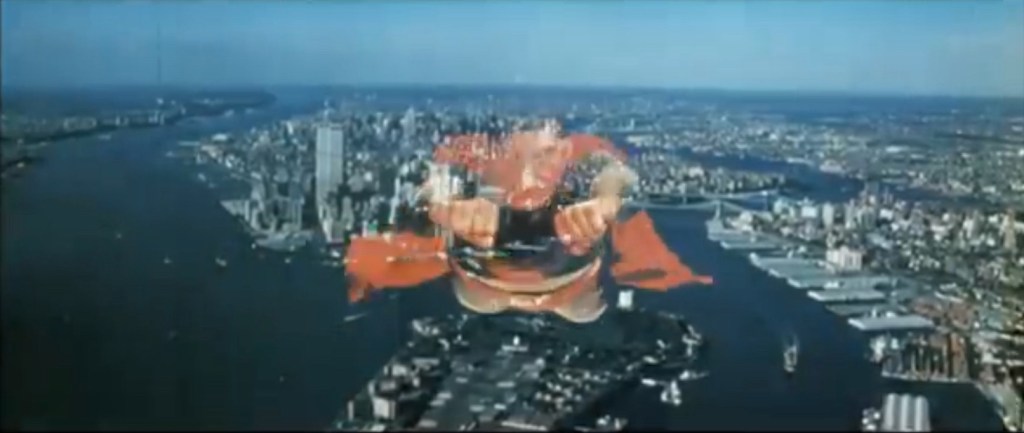
Then, closing in on the one-hour mark in the film, the shot returns as he pursues Nuclear Man…
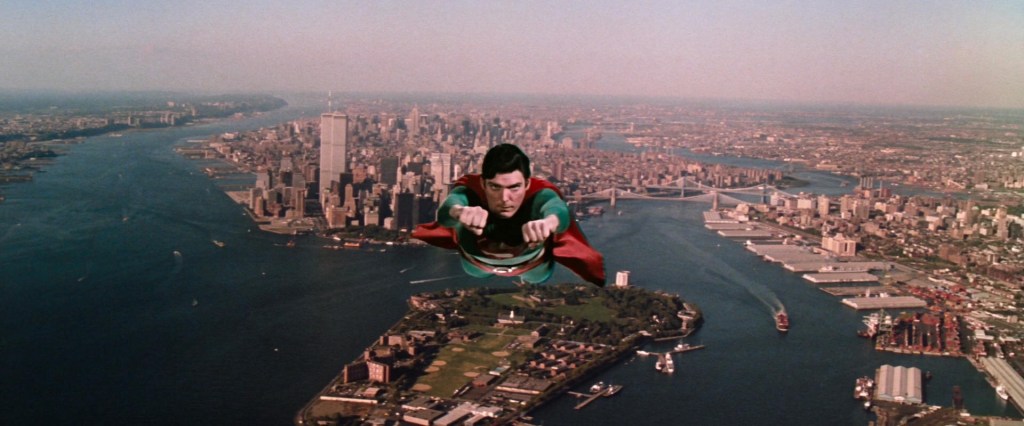
This is then followed by another use of the same flying shot in the scene of Superman averting a tornado disaster, as he flies up to rescue a little girl (Christopher Reeve’s own daughter Alexandra).

And then a short time later the flying shot reappears as he flies to Italy to save a town from a volcanic eruption.
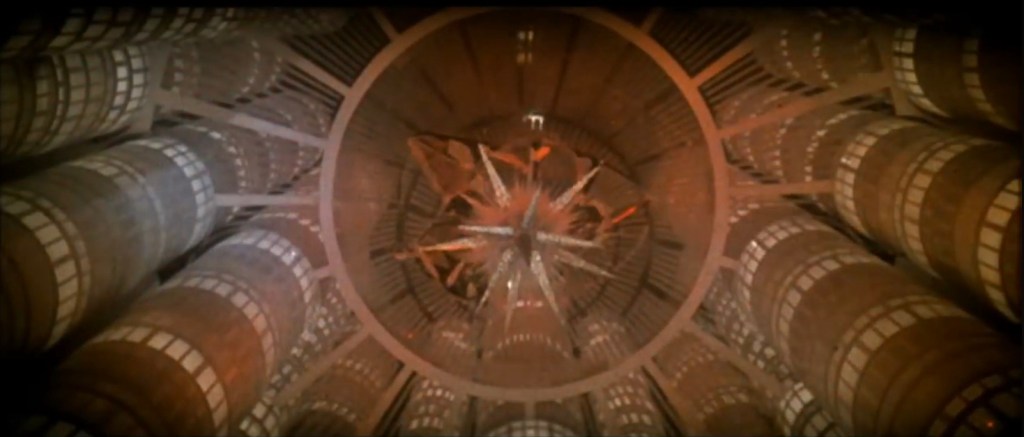
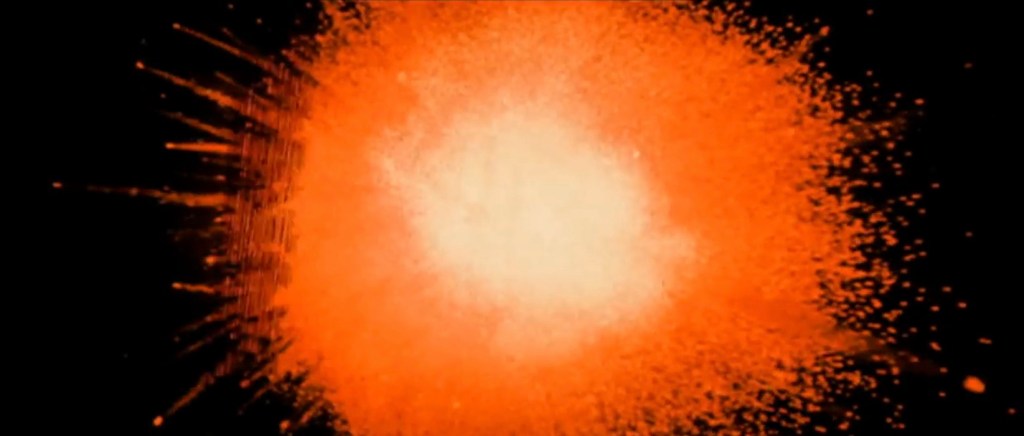
This next one is a clear cheat of footage taken from Superman: The Movie during Clark’s dream about Krypton. Several shots of the starship’s escape from the lab and flight through space are borrowed from the film, as well as the shot of Krypton and its sun exploding.

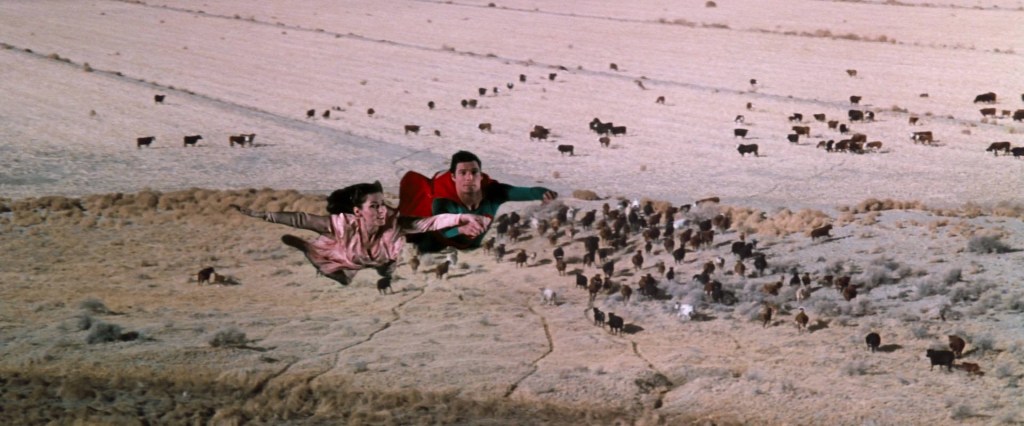
Next up we have our first two-for-one special, the first of several two-fers. Our next culprit is when Superman takes Lois for some fresh air and flies her seemingly around the world.
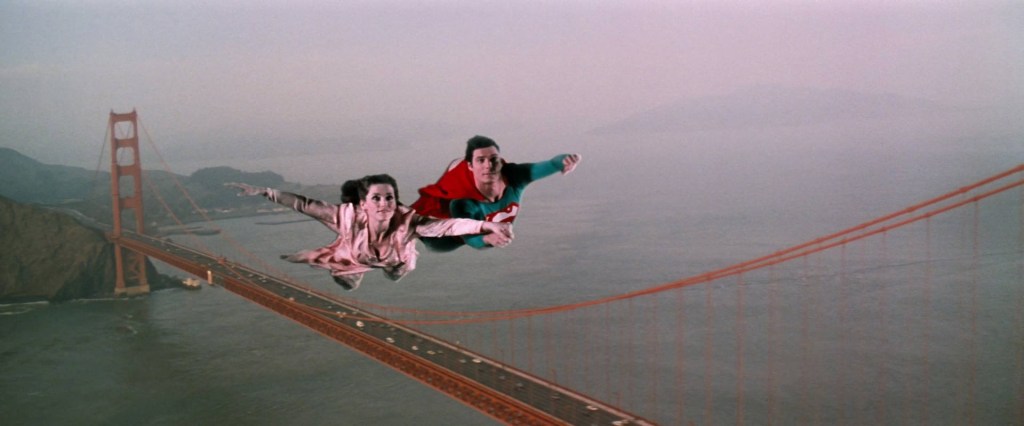
Then a few seconds later, we have the same flying element superimposed over the Golden Gate Bridge as they fly across San Francisco.
Deleted footage from the flight sequence uses a duplicated bluescreen flying element of Superman letting Lois go so she can fly solo. I for one am glad these bits were cut from the film. The thought of Lois being able to fly on her own would have taken me out of the film, thereby destroying any illusion of verisimilitude that was conveyed in the first film.
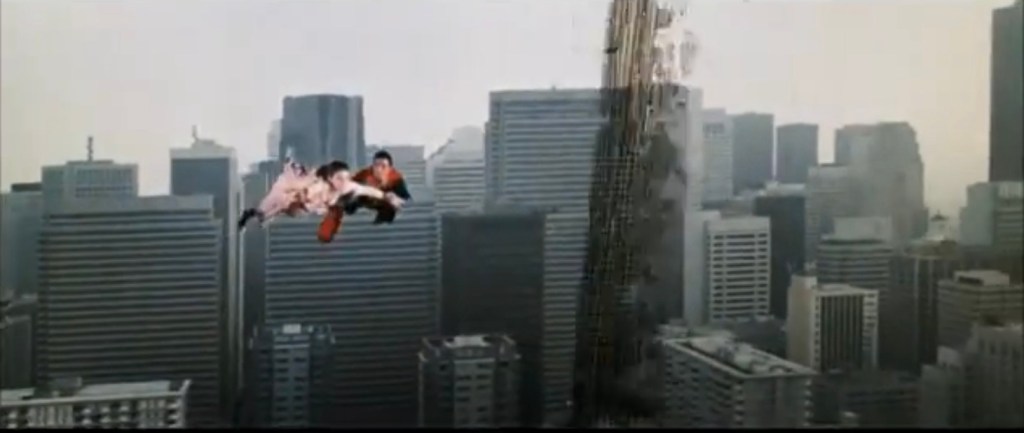
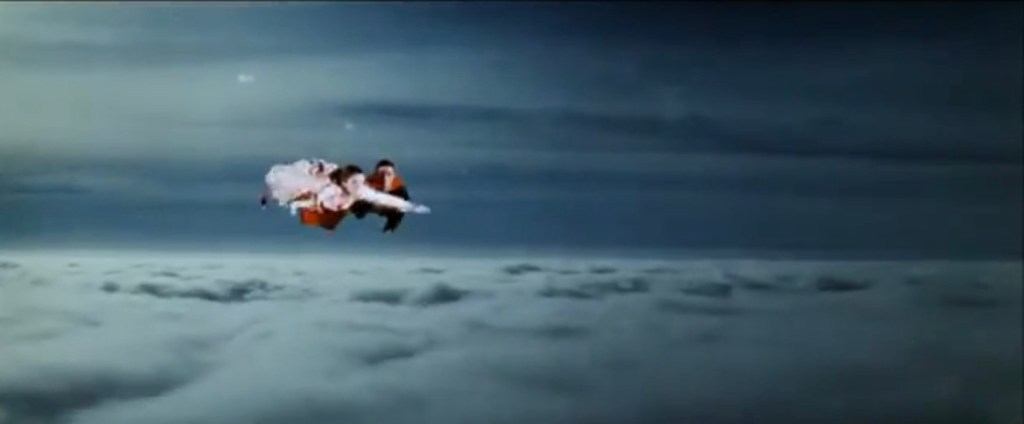
And here’s our next two-fer, as Superman makes good on his word to get rid of the world’s nuclear weapons.
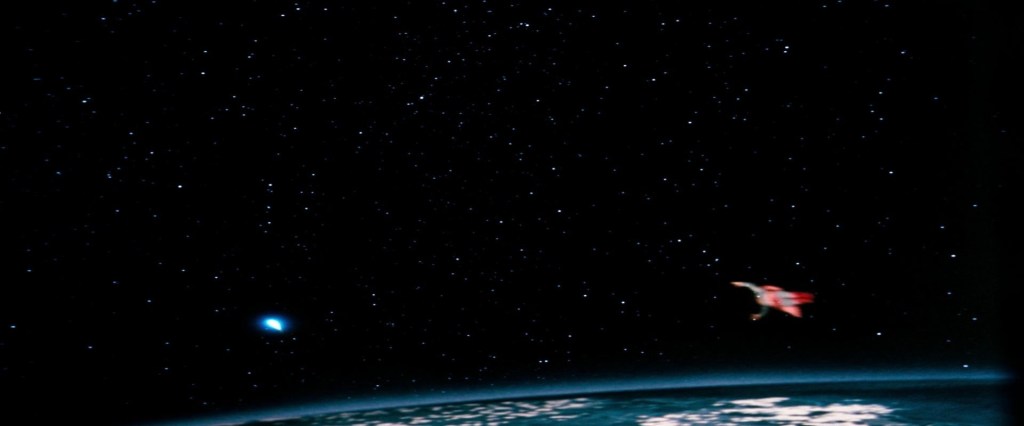
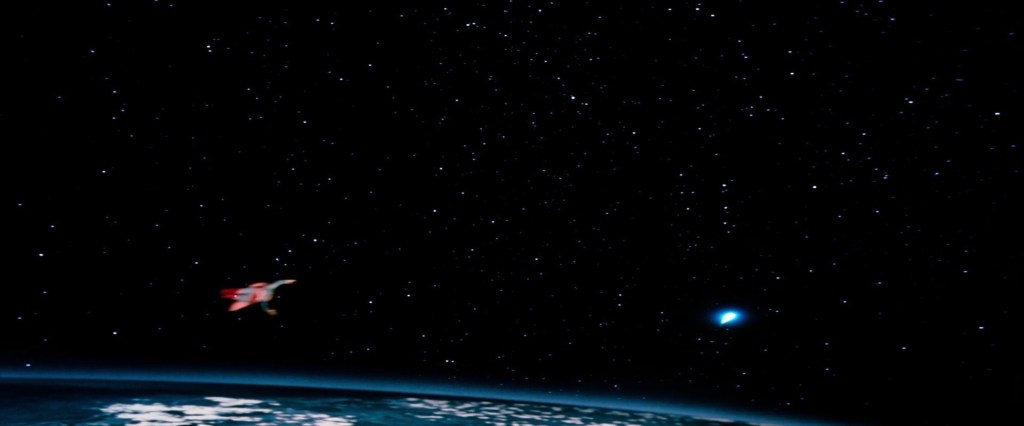
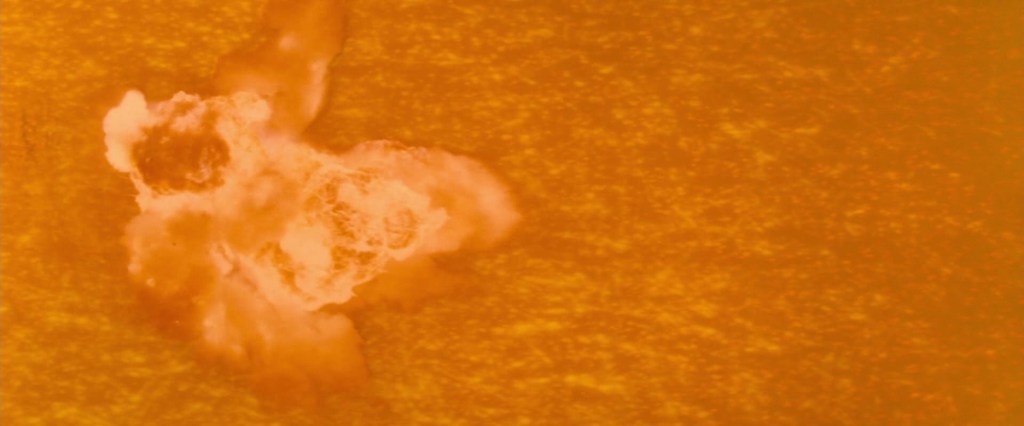
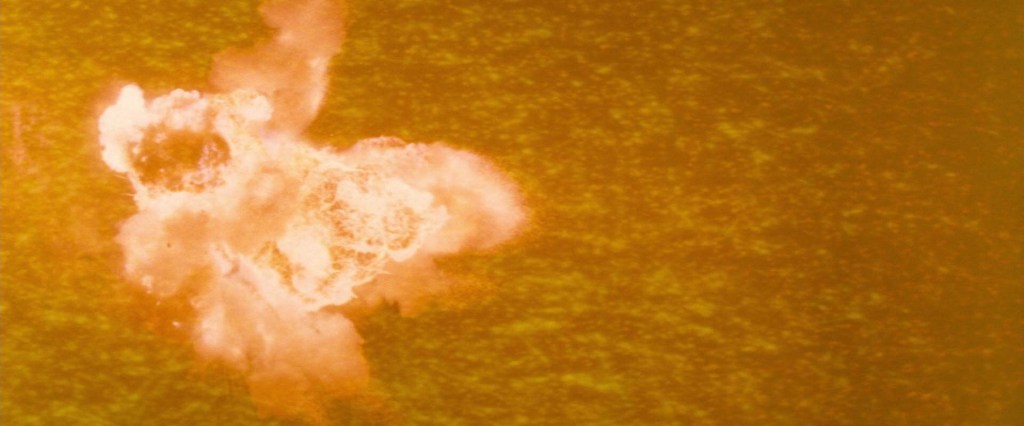
And then there’s this two-fer, as a nuclear explosion in the heart of the sun appears twice in the movie…
Later, as Superman intercepts a missile and hurls it into the sun, thereby creating the Nuclear Man, we have a flying shot that appears twice in the film, first here…

…and then later, as he flies away from Italy to encounter the Nuclear Man in outer space.
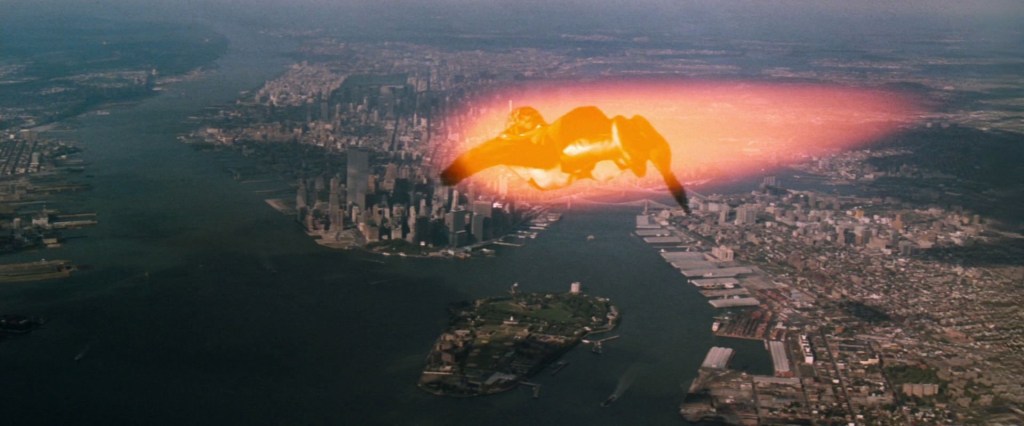
Next up is a shot of the Nuclear Man in flight that is used a total of four different times throughout the film, including the extended international cut.
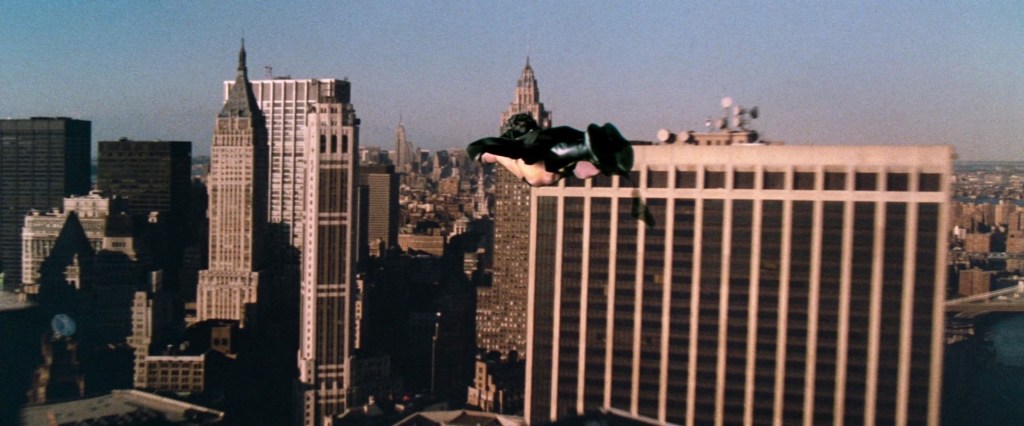
During the double date scene, we have a duplicated background shot used to show Superman going back and forth between Lois and Lacy.
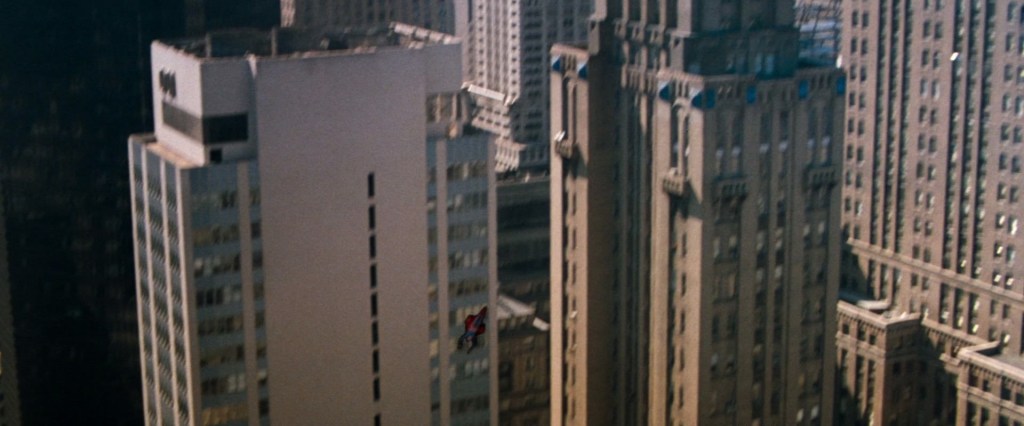
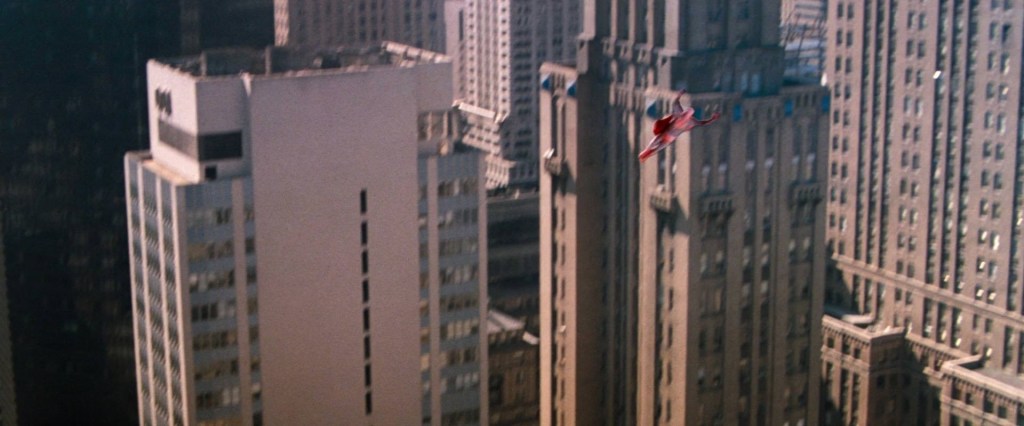
As Lex Luthor reaches out to Superman via his private frequency, pay attention to the New York City background. It’s repeated when he describes “Lex TV” and then when he closes it out and says, “Peace.”
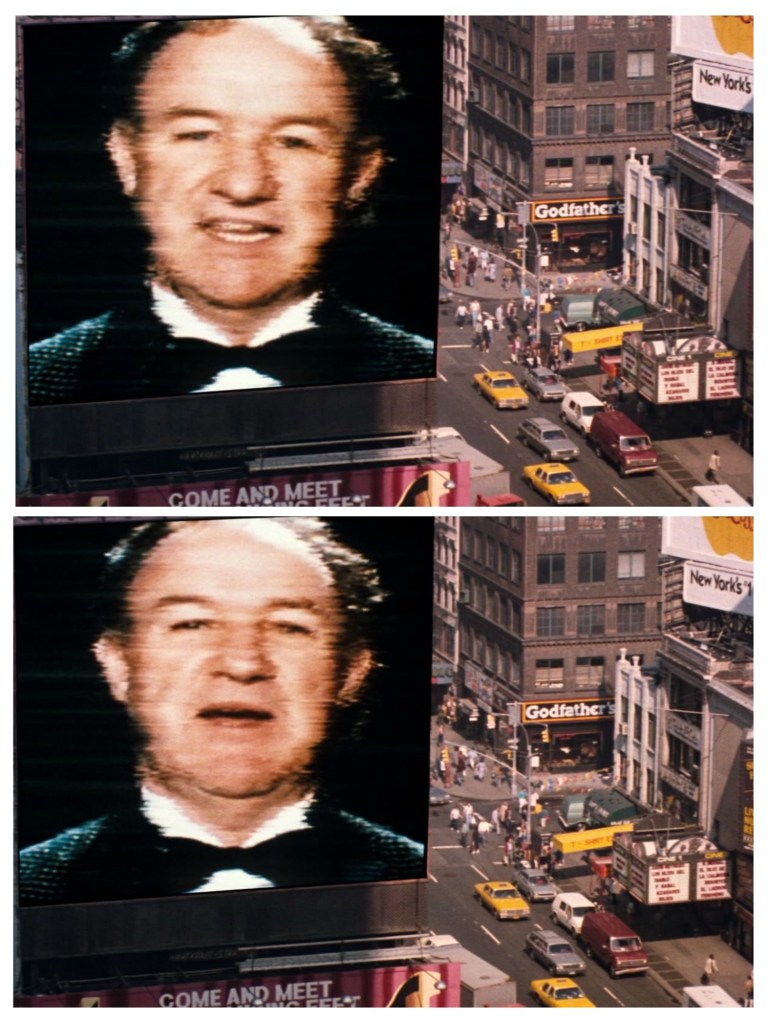
In the extended international version we see an added clip of Superman in flight and searching for the Nuclear Man, which is used twice.

When the Nuclear Man arrives in the Midwest to create a tornado, the same background is used, once for his arrival, and a second time for the actual tornado itself.

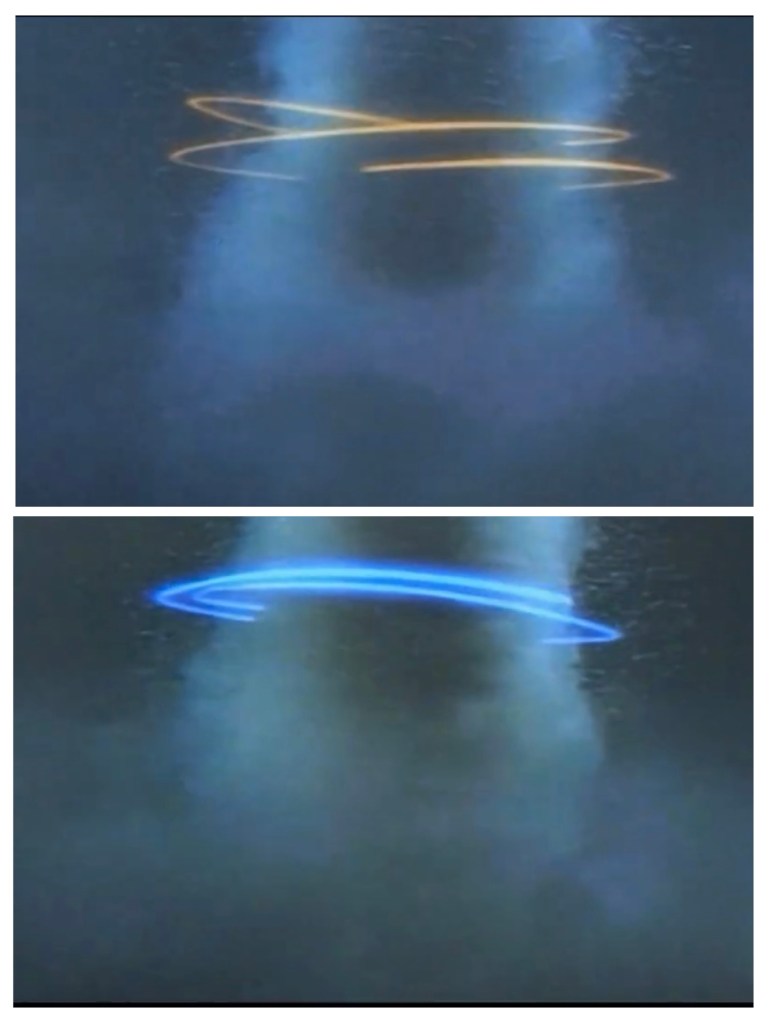
The tornado effect appears twice, when Nuclear Man flies clockwise to create it, and then when Superman flies counterclockwise to stop it.
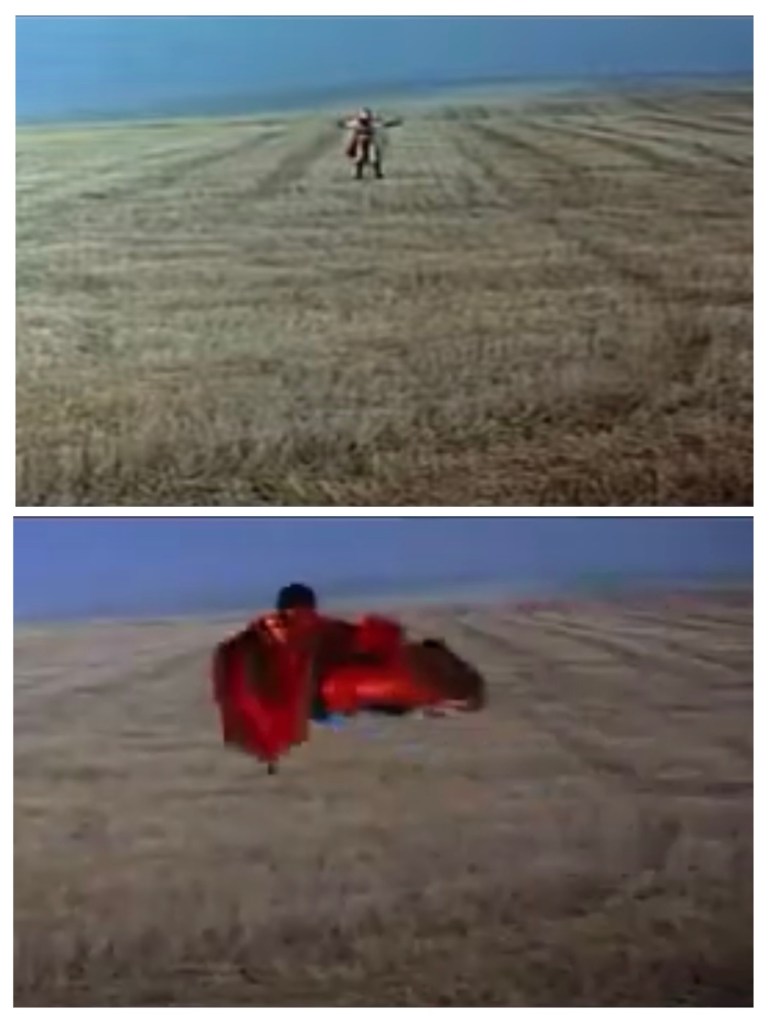
At the end of the tornado sequence, the same background plate of the farmlands appears twice, both times for poorly matted elements of the Nuclear Man and Superman.
Now how many times does this next flying shot appear in the movie? Once, you say?
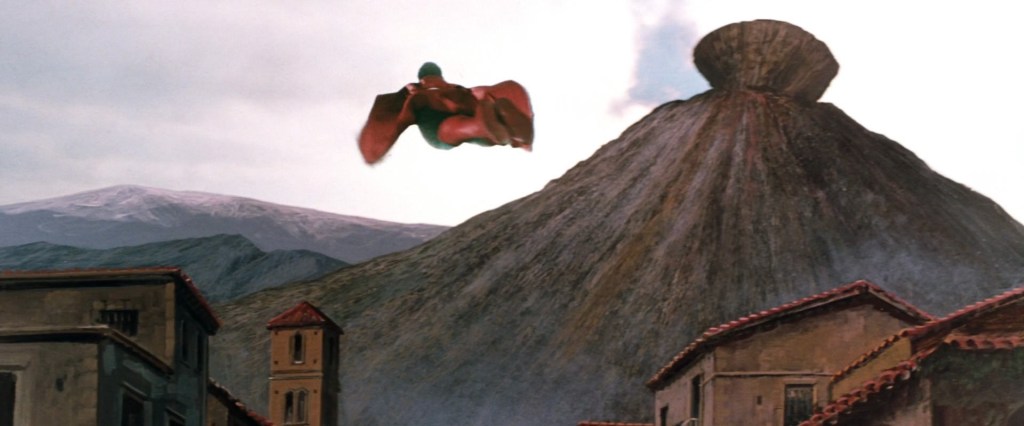
Well, if you’re just viewing the theatrical cut, you’d be right. But it’s actually used three different times, if you take into account the extended international version and the deleted scenes from the workprint on the DVD and Blu-ray.
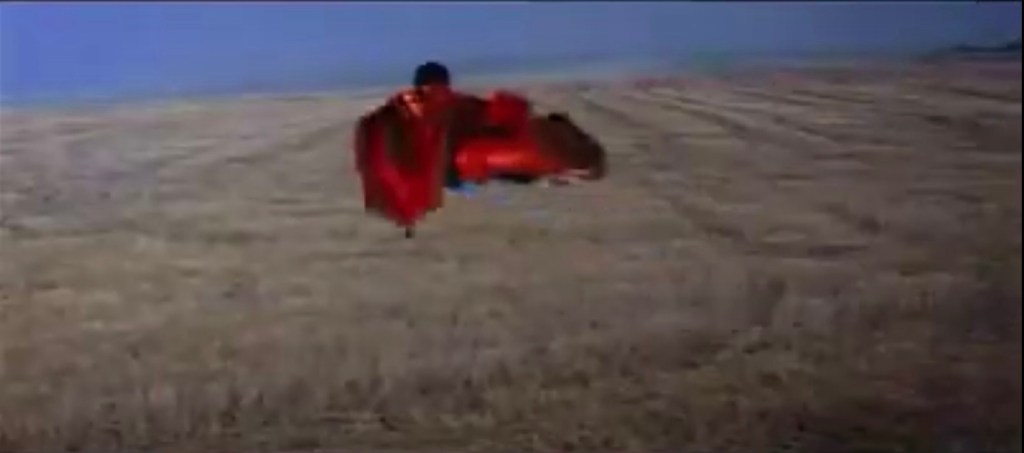
And then here…
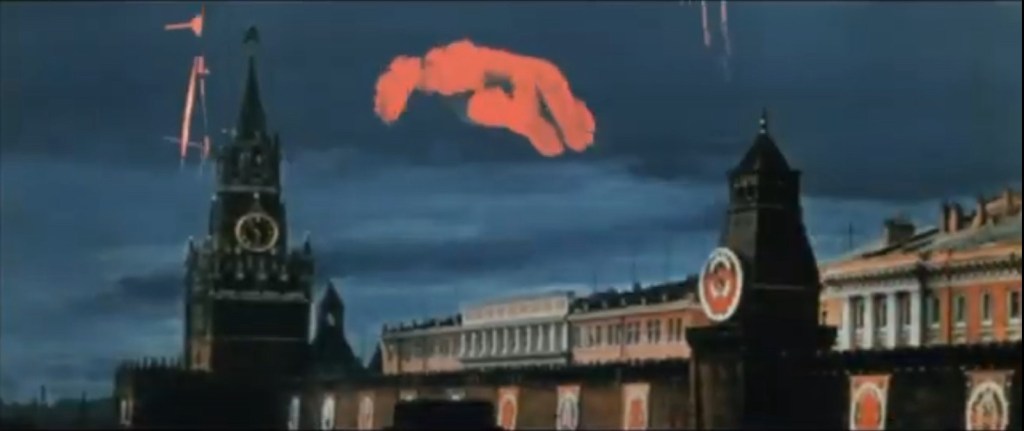
When the Nuclear Man flies downward, this same shot appears three times during the movie.
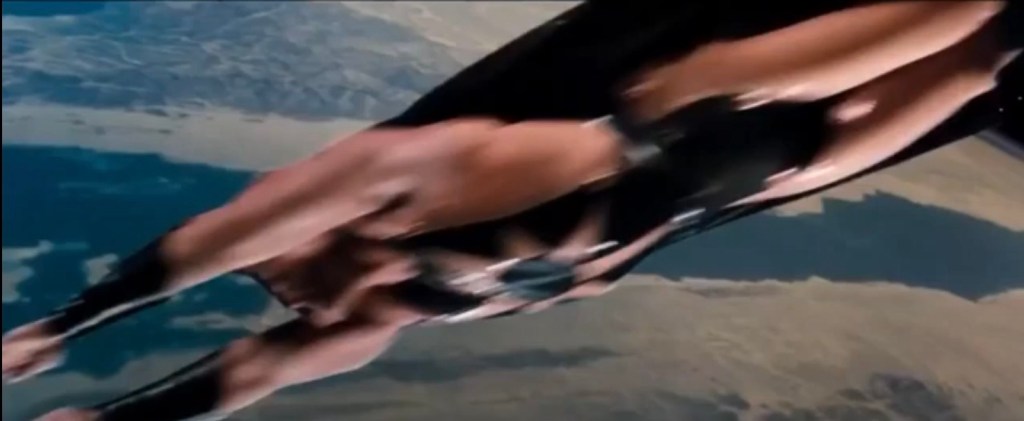

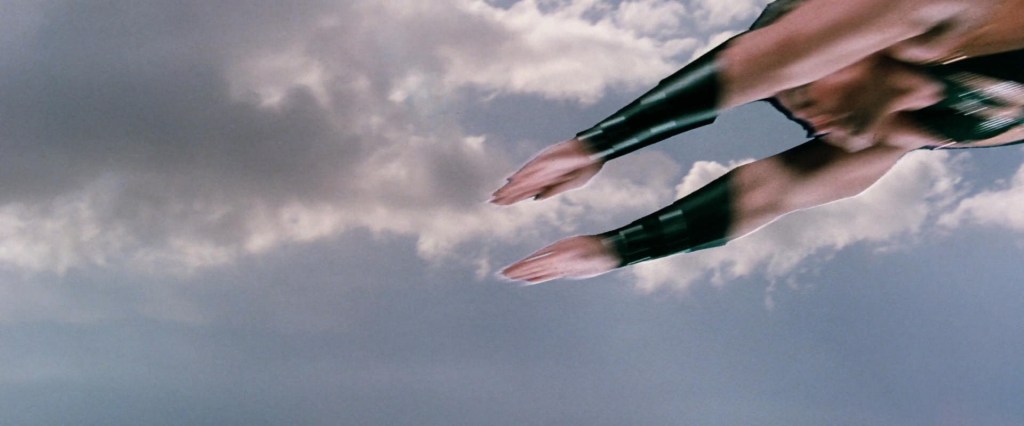
Once Superman arrives to save the girl from falling from the Great Wall of China, a flying shot appears that is used twice.
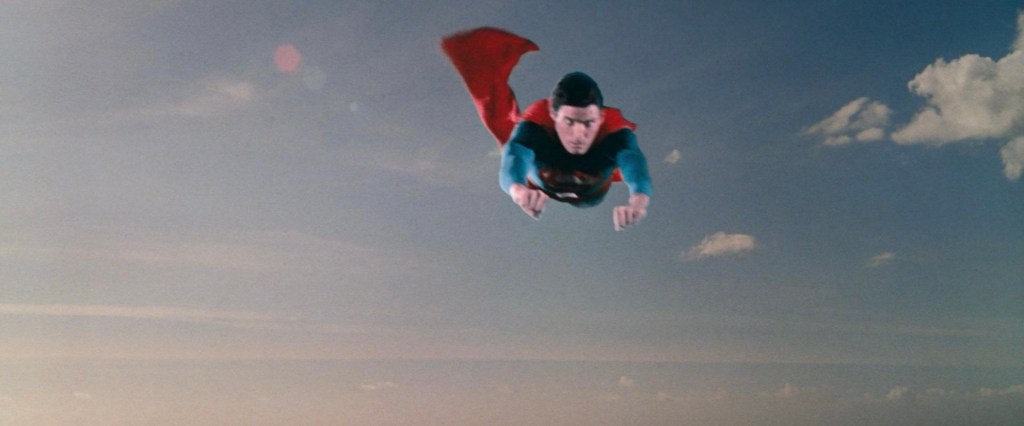
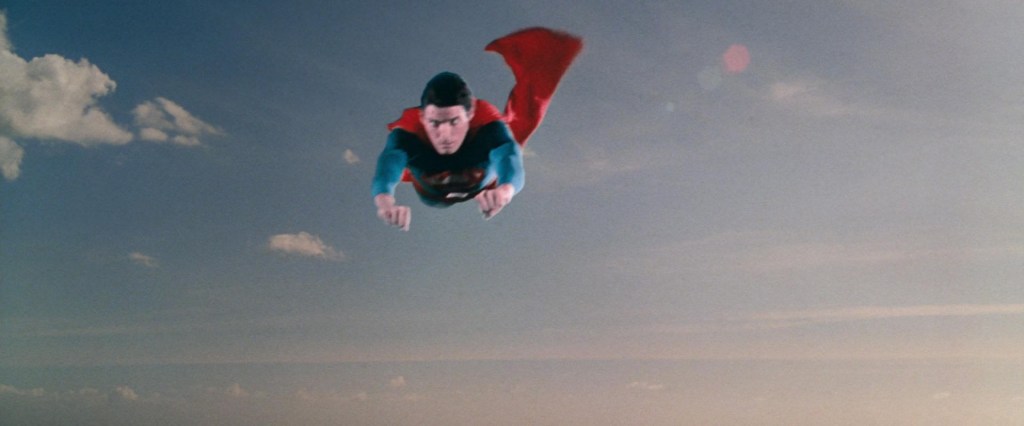
Now this same flying shot appears later in the movie during the scene where he stops the Nuclear Man in flight by sacrificing Lacy while saying to her, “I won’t let you get hurt!”
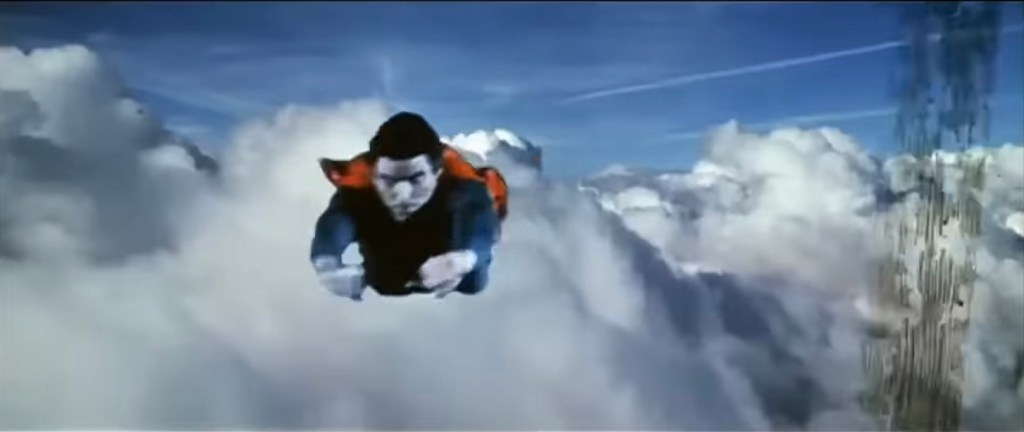
Another background plate appears once, twice, three times during the volcano sequence.
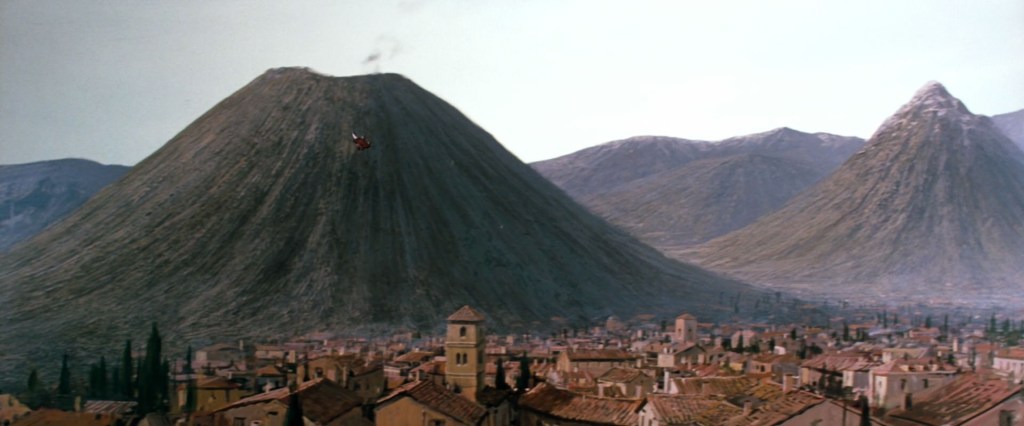
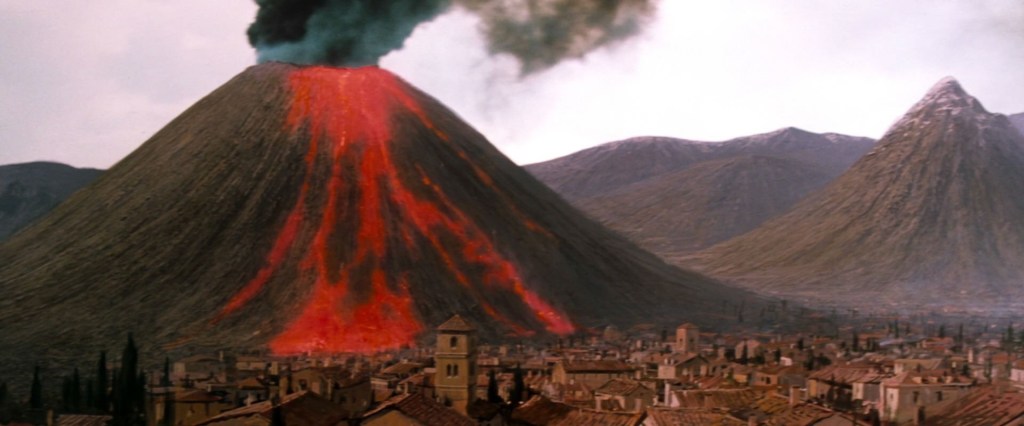
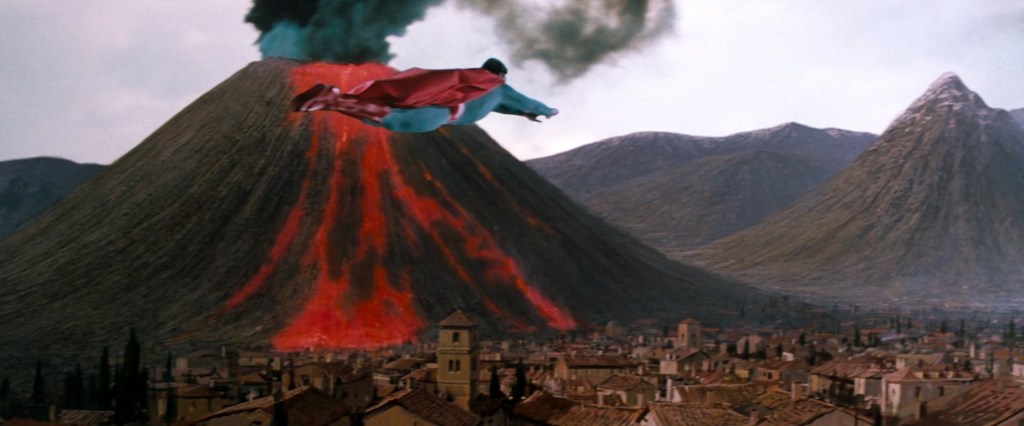
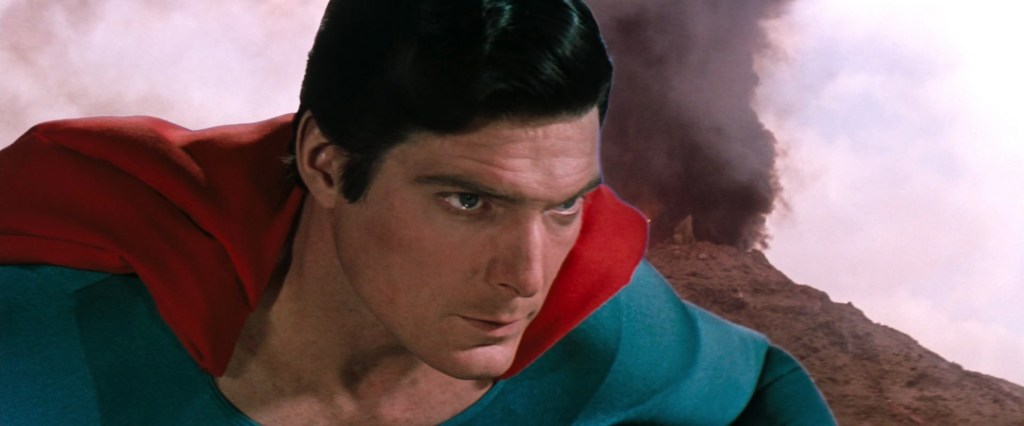
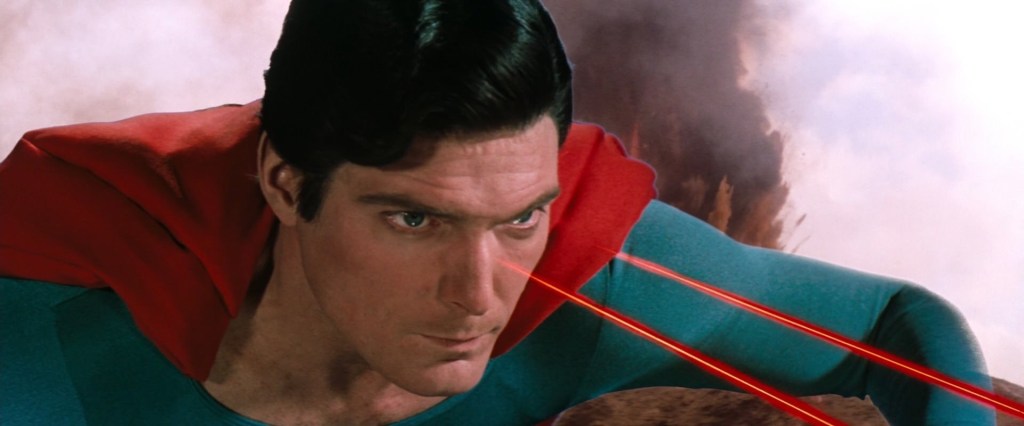
In the same sequence, as Superman uses his heat vision to shear off the top of a nearby mountain to plug the volcanic eruption, pay attention to the background plate.

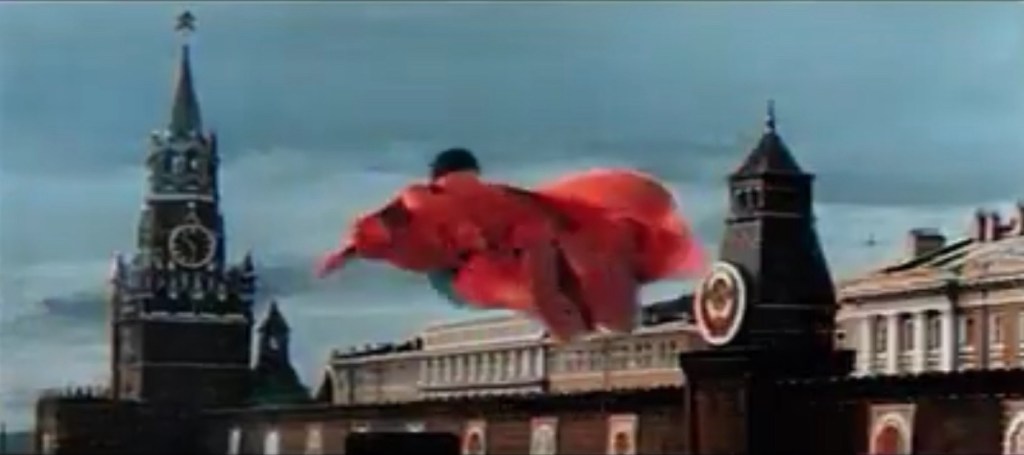
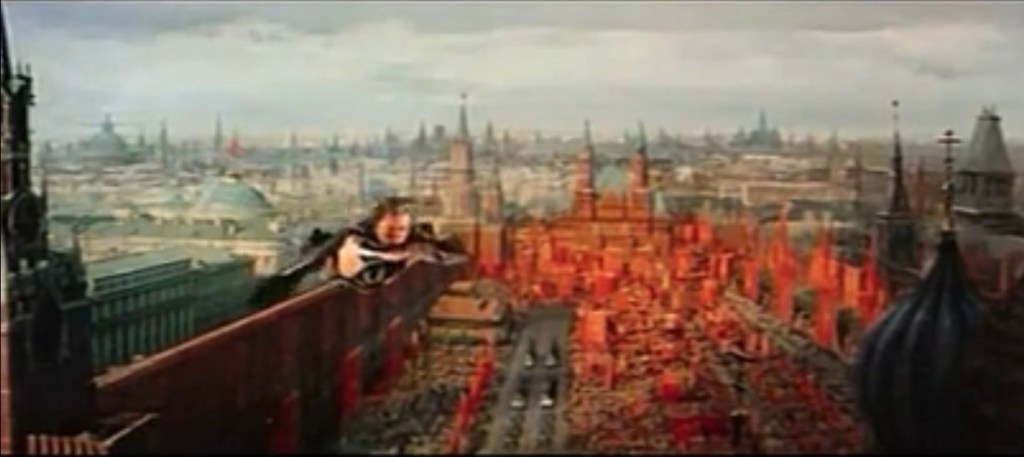
Another background plate of the streets of Moscow appears a total of three times, twice in the extended cut and a third time in a deleted scene that is on the DVD and Blu-ray in workprint form.
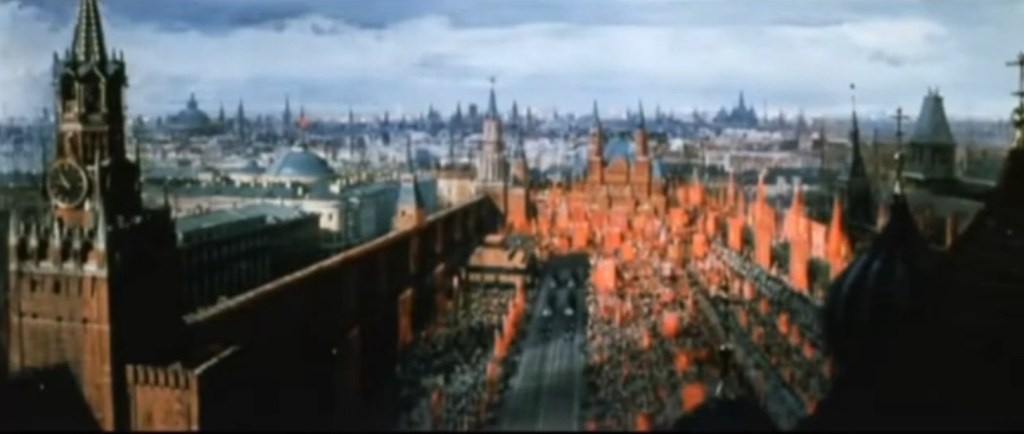
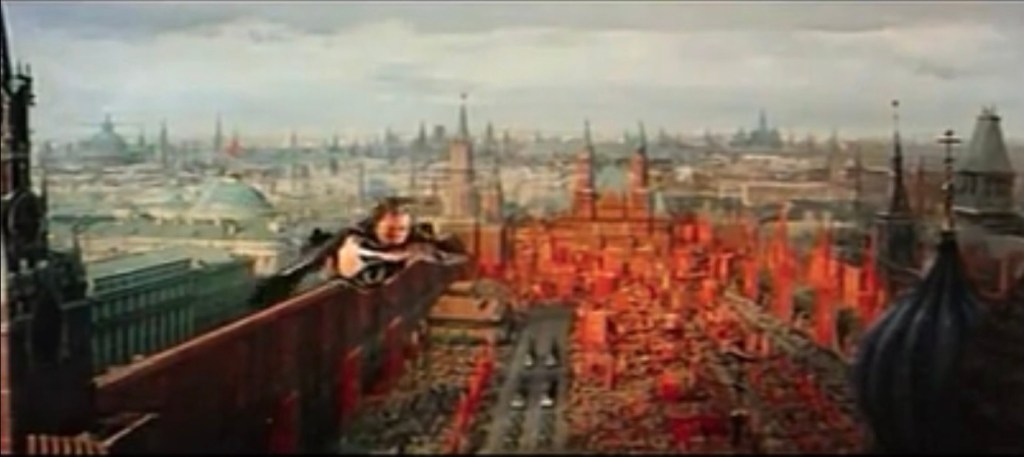
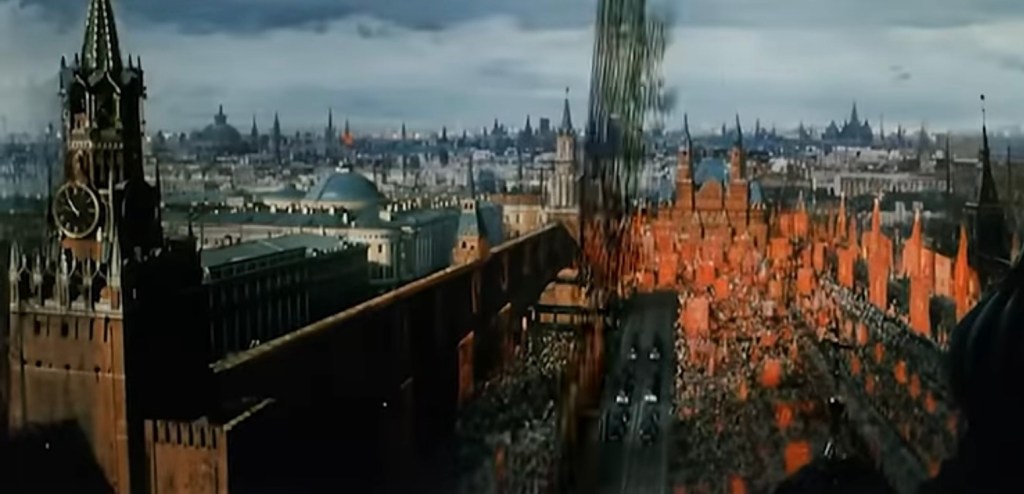
As Superman arrives at Red Square to stop the nuclear missile from going awry, the same background plate is used to show his arrival and departure.
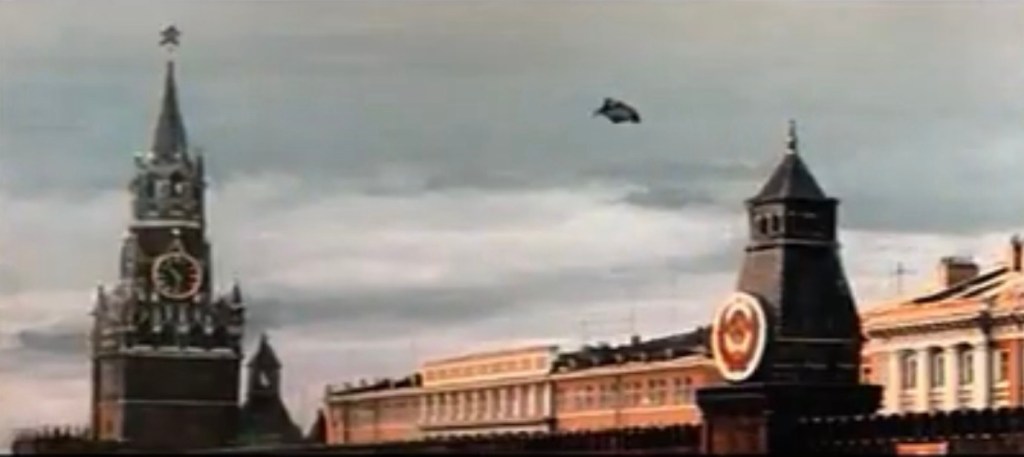
A flying element of the Nuclear Man is used three times in the film, twice in the theatrical version and once in the extended version, by flipping the image to where he goes left to right and right to left, respectively.
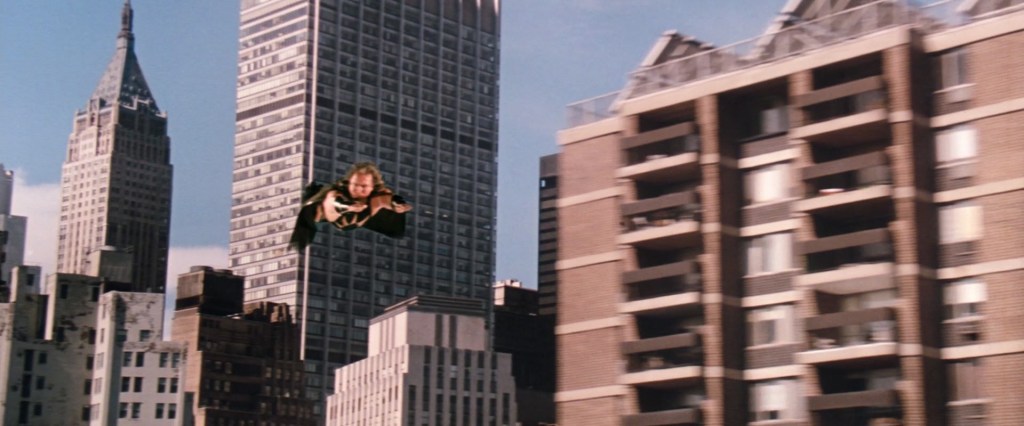
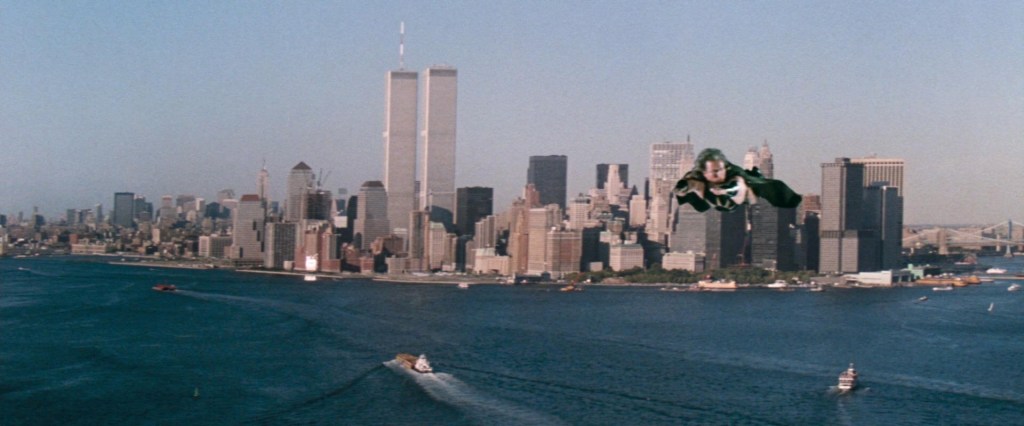
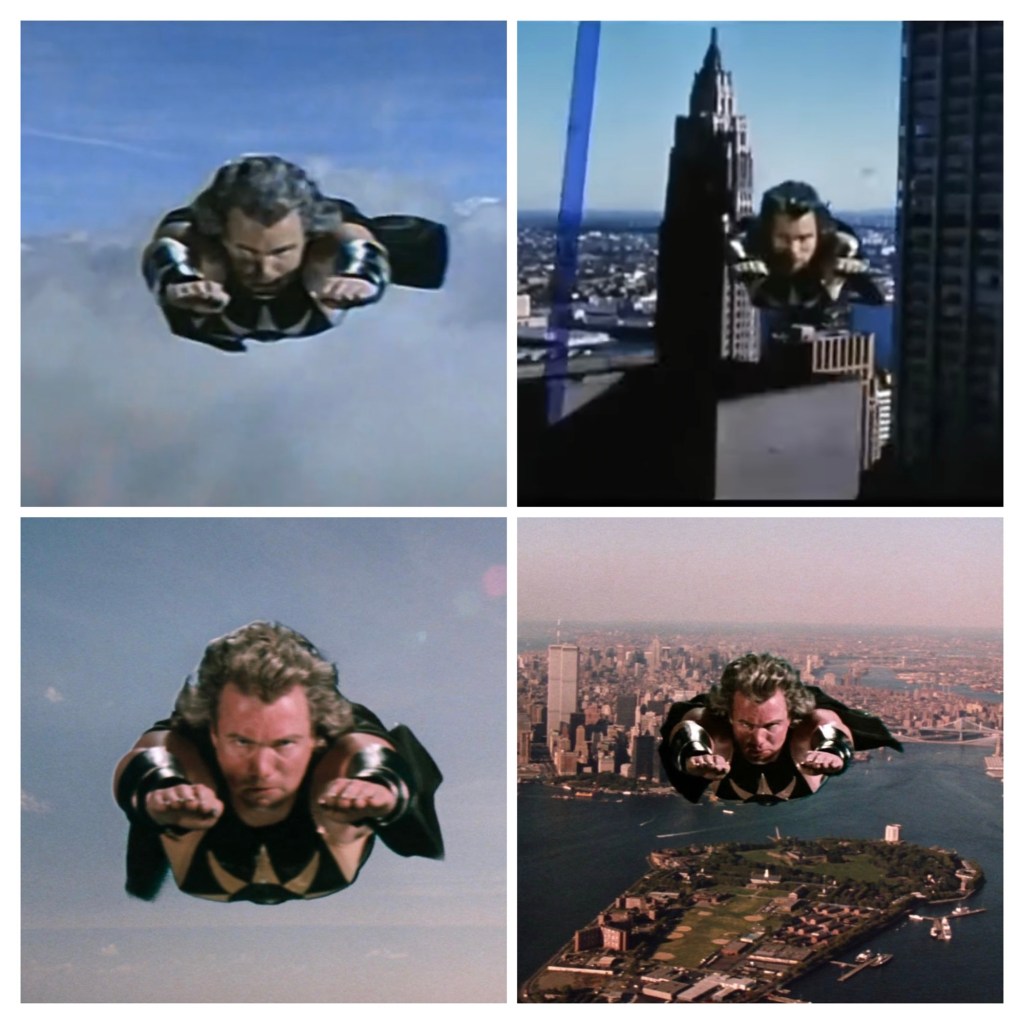
Another angle of the Nuclear Man flying straight at the screen appears four times throughout the movie.
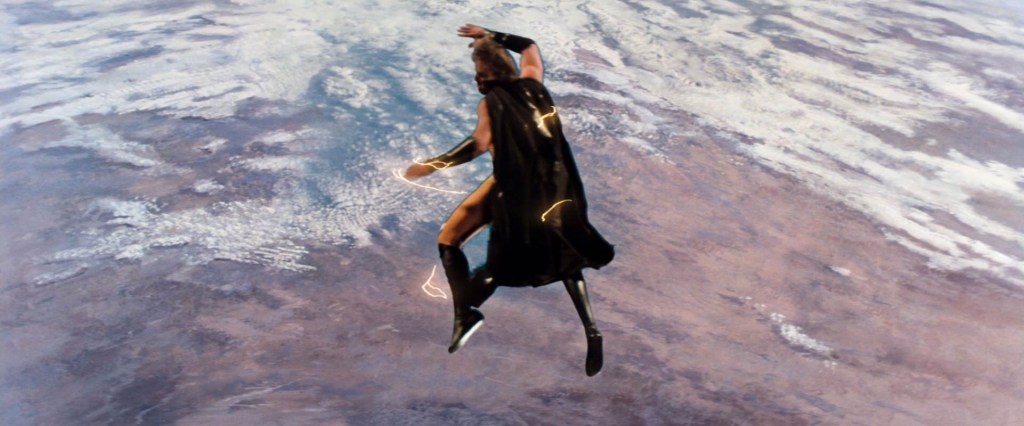
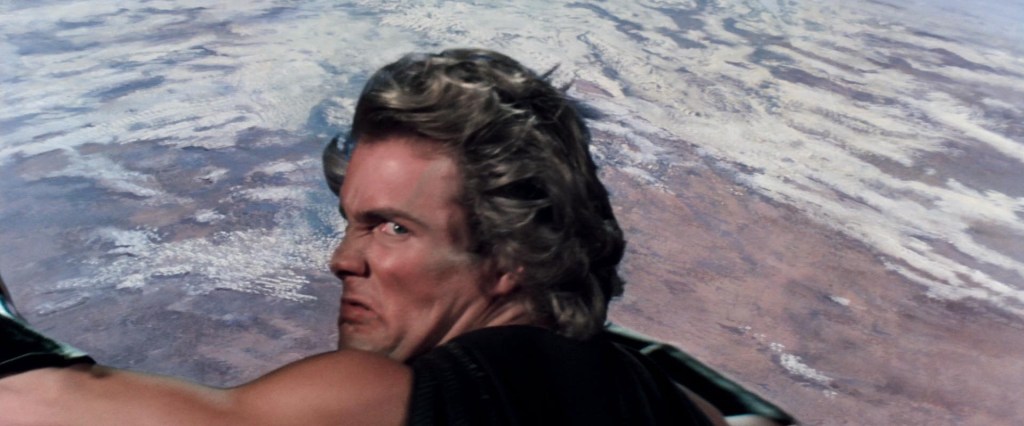
During their first encounter in outer space, Superman punches the Nuclear Man down to Earth, and we can see the same background plate used twice within a matter of a few seconds.
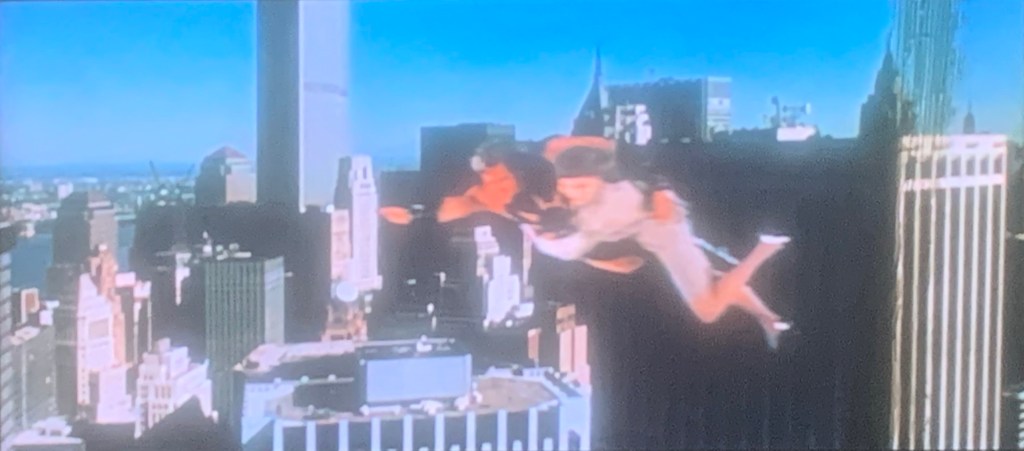
Another flying shot of the Nuclear Man carrying Lacy in his arms appears three times in the film…
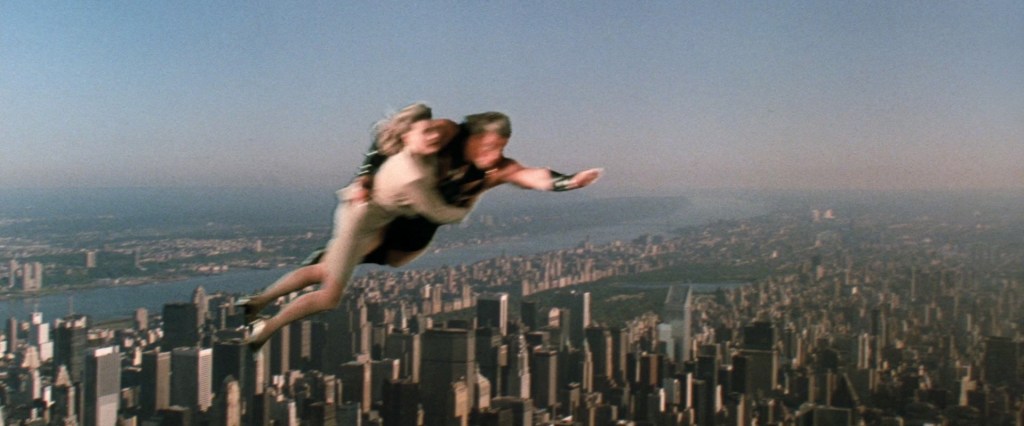
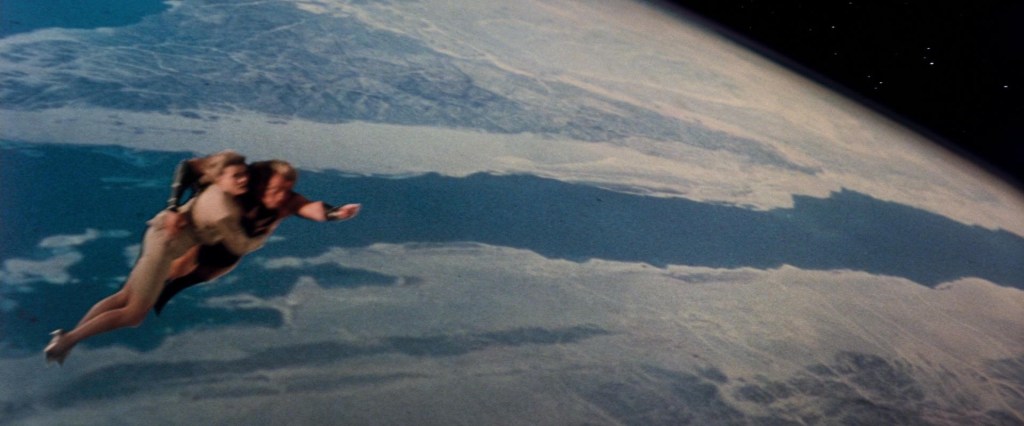
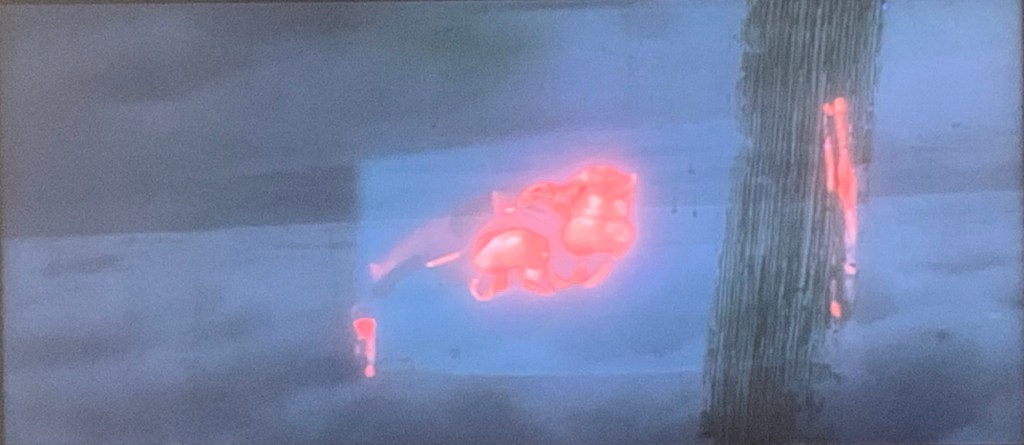
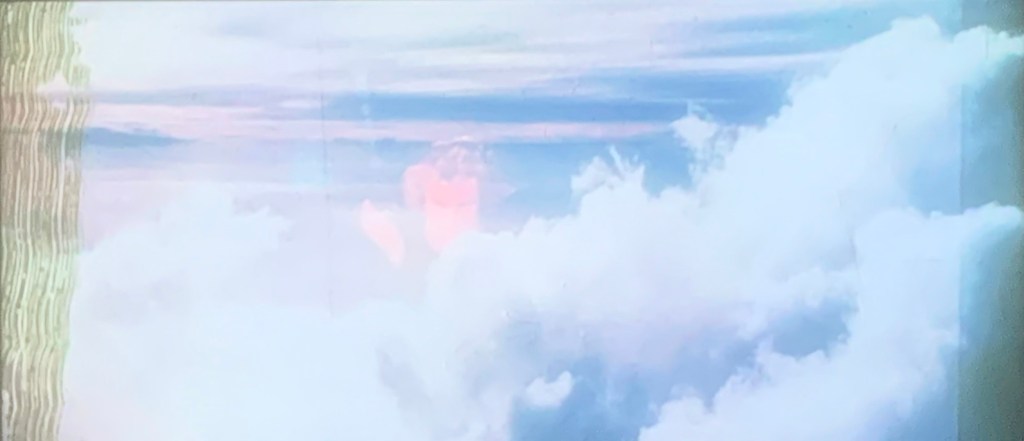
During the deleted “Red Alert” segment, which appears only on the DVD and Blu-ray in the deleted scenes section (why it wasn’t included in the streaming version is a mystery to me), we have some additional flying angles of the Nuclear Man that appear in this segment and nowhere else. This entire sequence adds to the story of the world’s nuclear threat and adds to the then-Cold War paranoia that permeated the world for three decades.

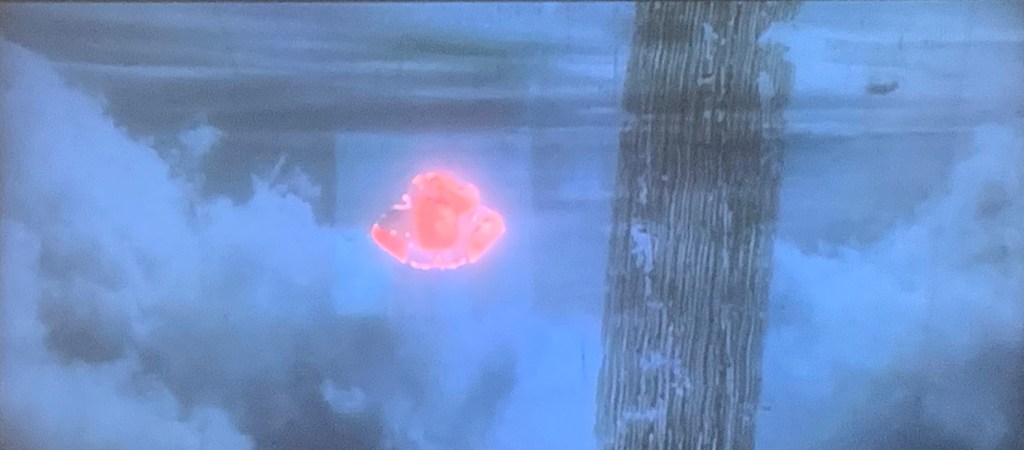
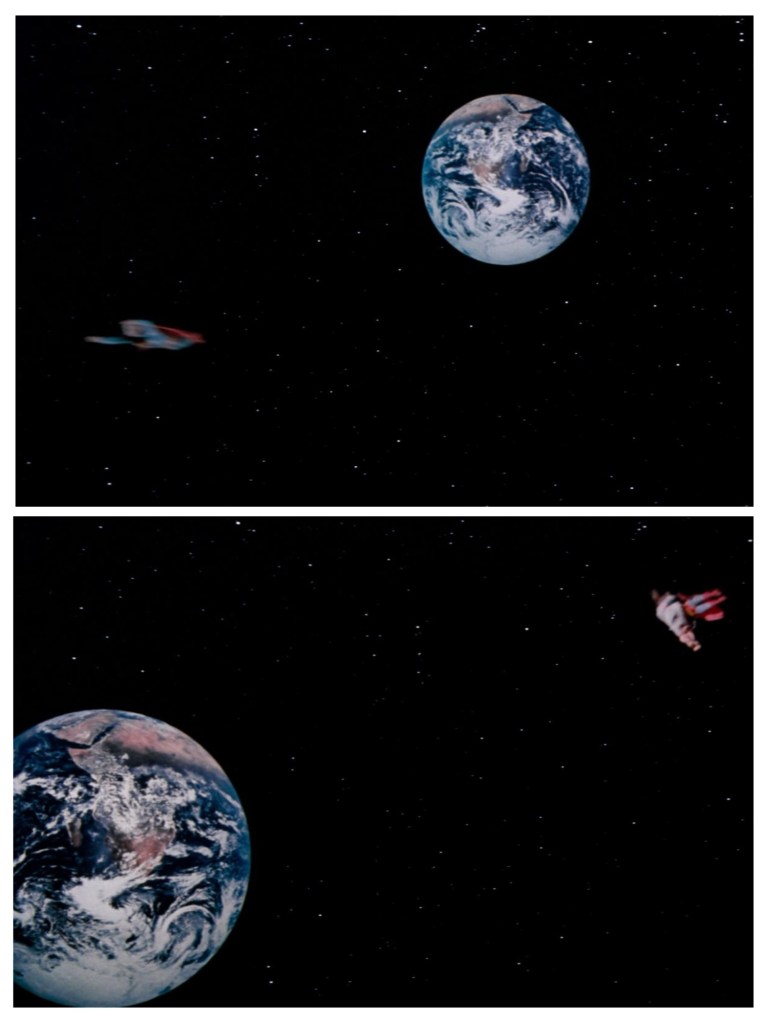
And the same NASA element of the Earth appears no less than six times through the movie!

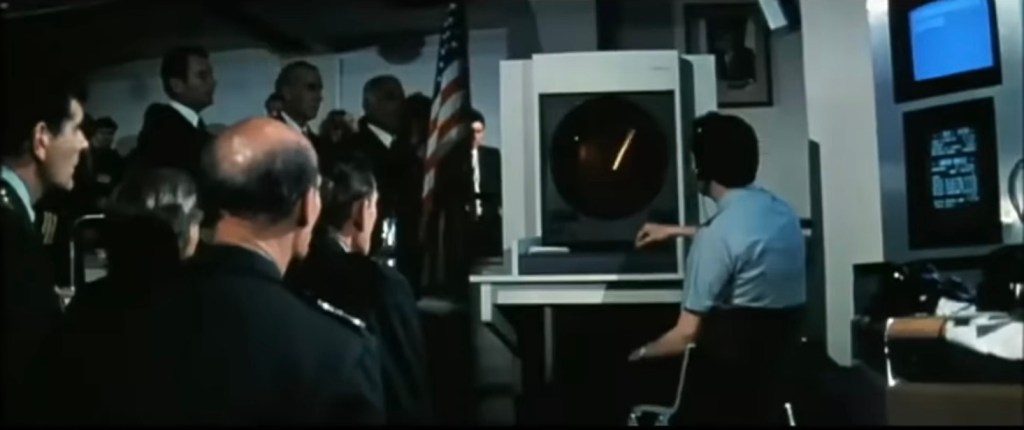
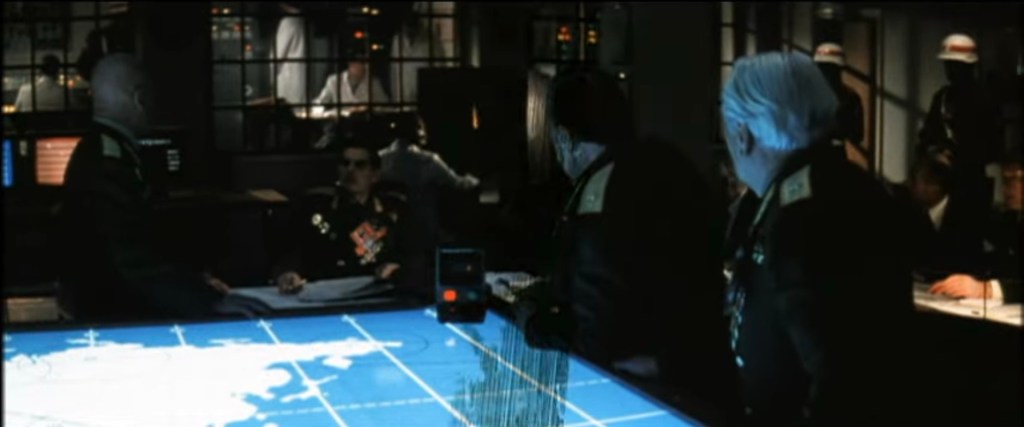
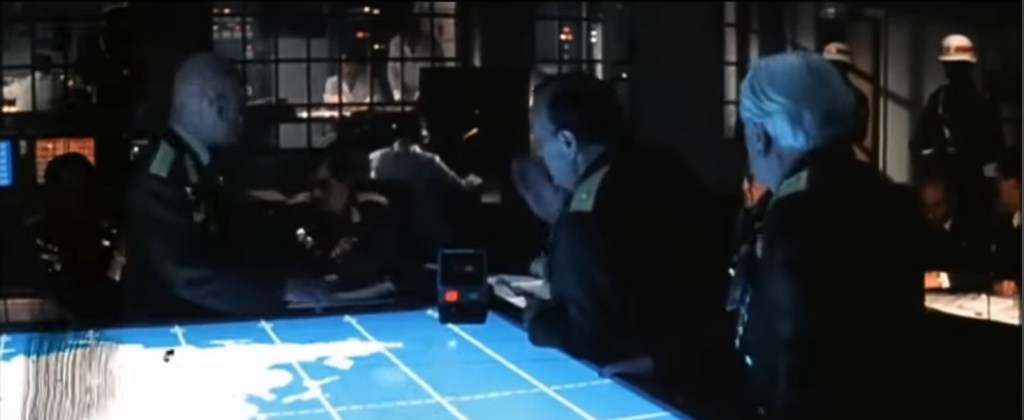
On the DVD and Blu-ray an added sequence of the U.S. and Soviet militaries building up their missiles all to stockpile Lex Luthor’s wealth. Some of the shots in this scene are borrowed from earlier moments in the movie as well as from the deleted “Red Alert” sequence.

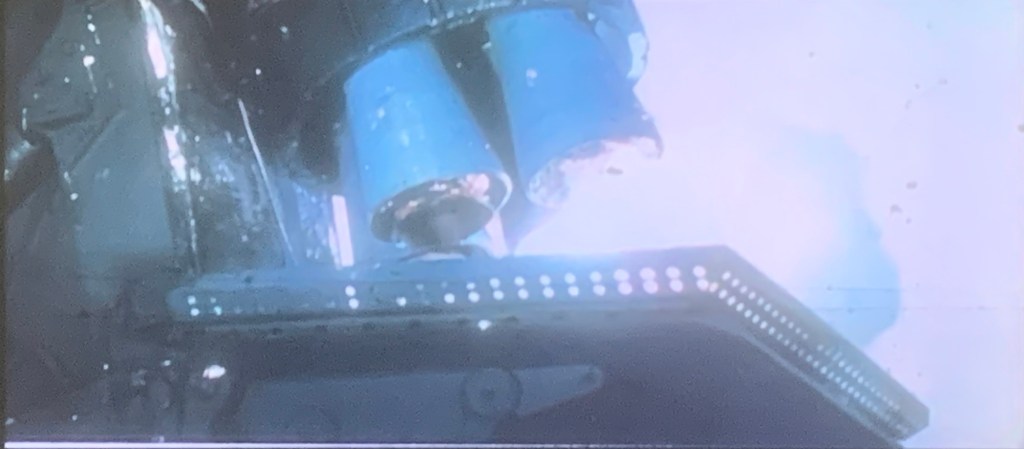
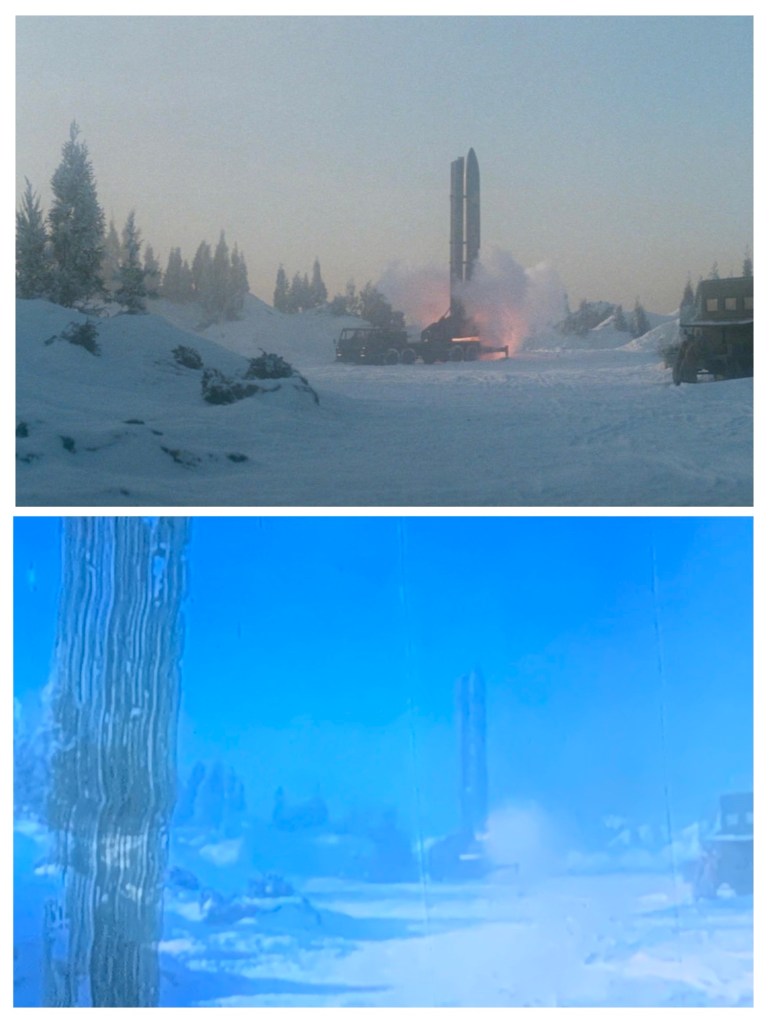


This shot of the U.S. military appears first during the nuclear pileup sequence…
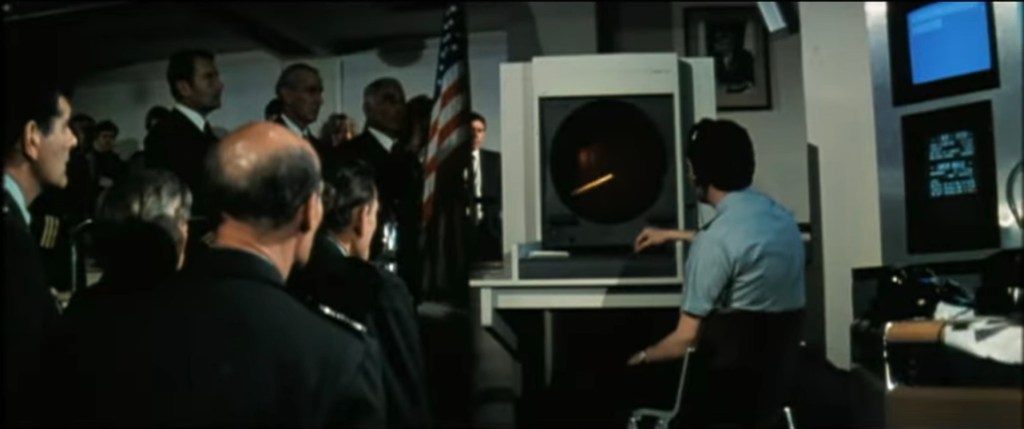
…then later on during the “Red Alert” scene.
Likewise for the Soviet military.
But that’s not all. The final flyover at the end of the film was duplicated by borrowing the footage from the end of the first Superman film.
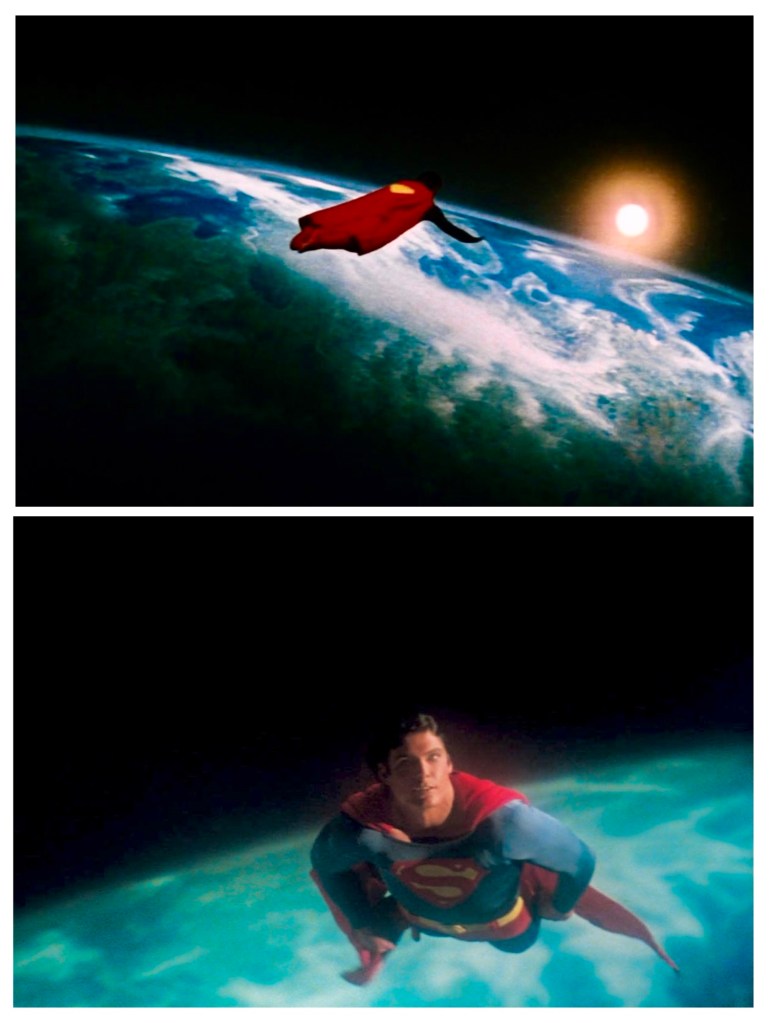
Let’s face it, Superman IV gets a bad rap when it comes to its visual effects and multiple repeated shots and backgrounds to tell its story. That’s how minuscule the budget was and how much Cannon Films had to really pinch pennies to come up with a complete movie to begin with. I had always felt that had the movie had been given another six months, it would have looked a lot better. Little did I know how on target I was. Instead of six months, the visual effects department had thirty days to complete all of the effects for the film. And that meant filming all of the flying shots against blue screens. The days of the Zoptic system were behind them. And everything for the film was produced at Elstree Studios, the same place where Star Wars had been filmed. If only they had a team like ILM to work on the effects, it could have been a winner.
Which is why the best laid plans of mice and men go awry at times.
 Superman: The Blog