-
Too True to Be Good: A Look at the Alternate Richard Donner Cut of Superman II – Part 1
In November 2006 Warner Home Video released the Richard Donner Cut of “Superman II” on DVD, HD-DVD, and Blu-ray, giving fans and film students alike the opportunity to witness the original concept of the film as conceived by Donner, screenwriter Tom Mankiewicz, and the many cast and crew members involved in its production throughout 1977. Upon its release, the film was met with enthusiasm, anticipation, and even criticism, as viewers soon discovered the many differences between the Donner Cut and the original theatrical version released in 1980-81 under the direction of Richard Lester. Some fans found it to be far superior to the original theatrical release, calling it the perfect complement to the original “Superman” film from 1978. Others found it to be an incomplete mess, a mash-up of styles, and essentially a bonus feature to the theatrical release. Sixteen years later, the debate continues.
The Richard Donner Cut became the third version of “Superman II” to be released over the years, along with the theatrical version in 1980-81 and the extended TV broadcast first shown on the ABC network in February 1984. However, for the longest time, there was a fourth version of the film that had been prepared of which people had at the time been unaware: a longer alternate version of the Richard Donner Cut.

I first heard about this alternate version of the film some time in 2017 through a link shared on Facebook. This took me to an online message board in which posters had shared that a 122-minute cut of the film had surfaced on a number of digital platforms, including Amazon and Vudu. The fans commented that some of the added footage in the film included scenes set during the Phantom Zone villains’ attack in East Houston. Some time later I had come across even more footage shot by Richard Donner set during the first scene in the Fortress of Solitude, of Lex Luthor accessing Jor-El’s interactive lessons, which had been shared on Facebook.
This began a quest for me to locate this alternate version of the Donner Cut. At the time I had invested nearly twenty years of my life studying and analyzing every known aspect of the film and its many incarnations on VHS, laserdisc, and DVD, from the theatrical release to at least three versions of the extended broadcast, to the 2004 Restored International Cut, and to the Donner Cut itself. I was determined to find this alternate version somehow.
In the late spring of 2018, I finally had the opportunity to track down the alternate Donner Cut on Vudu. The digital platform advertised the 122-minute cut of the film, which I had linked (along with Amazon) to my Movies Anywhere account, and I was now excited to see this extra footage in all its glory for the first time on my Amazon Fire smart TV. Upon viewing the preview screen, the film was advertised as the 116-minute release from 2006. I felt my excitement begin to turn to disappointment in just a short amount of time. I immediately skipped to the first Fortress sequence, and sure enough, it was the version that I had seen over the past twelve years. The footage was not there.
I immediately contacted Vudu’s customer service to inquire about the discrepancy, and the agent informed me that they had been given erroneous information from Warner Home Entertainment that they had been given the alternate version but had received the regular version instead. At the very least, if my DVD went out, I would have a digital copy as backup.
But sometimes the best miracles happen when you’re not looking.
Flash forward to early November 2018. I can’t explain how or why it happened, but for some reason I pulled up my Kindle device, which I had for a few years now. It had been a great device for books, documents, and a few games. It now served as a backup for several key apps that I had difficulty accessing on my Android (not so) smart phone, including Facebook, Messenger, Spotify, Word document creator, and email. Other features on my phone I had little or no use for. On a whim I decided to click on the video section, and to my surprise I learned that all of the movies that I had on my Movies Anywhere page were also available on my Kindle.
Including the Donner Cut.
But not just the regular version. It was the 122-minute alternate Donner Cut. I immediately downloaded the film onto my Kindle, and now I had access to this version of the film that had been making the rounds in the digital realm for at least the past three years. Now I had the opportunity to discover the differences between the two versions of the film.
At its essence, the alternate version of the Richard Donner Cut of “Superman II” is fundamentally the same as the released version by and large, but it also has its share of differences as well. This analysis will break down the differences between the two versions and attempt to lay bare why those differences occurred.
(As I have already previously analyzed all of the footage in the previous releases of the film, I will focus solely on those differences as originally planned.)
When Warner Bros. received six tons of footage from the overseas film vaults, film editor and restoration producer Michael Thau (who supervised the 2001 remastered version of “Superman: The Movie” for its initial DVD release) began cataloging all of the elements pertaining to “Superman II”, including raw footage, alternate takes, sound elements, and continuity logs, among others. In a 2006 interview he stated, “Reconstructing this film is not only rare but probably unique in film history. I don’t think there is a film that had so much footage shot and not used. The opportunity of putting this back together is the best job I could ever have in my life. It was just painstaking, meticulous work. It took a long time, but we found everything.”
As early as 2001, Richard Donner had been approached by Warner Bros. executives to assemble his cut of the film, which he refused, and the studio considered going forward without Donner’s involvement at all. By this time fans began to petition Warner Bros. to release Donner’s original version of the film that he had shot back in 1977 before his firing from the project in March 1979. Petitions hosted by a leading “Planet of the Apes” website asked Warner Bros. executive George Feltenstein to seriously consider the project.
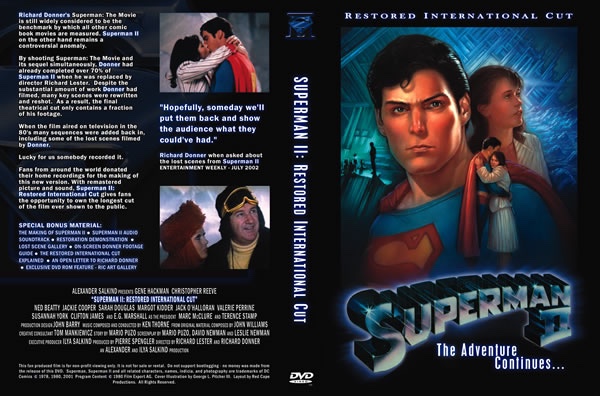
Simultaneously, work on the fan-produced Restored International Cut of “Superman II” resulted in its release on DVD in October 2004, shortly after the passing of Christopher Reeve, with the intention of freely distributing the project to fans and reminding them that Donner’s work on the film was not forgotten. Once copies began to surface for sale (it is unclear whether it was distributed on eBay or at comic book stores), Warner Bros. issued a cease and desist order to the editor, who wished to remain anonymous, halting all distribution of the project, which had ironically been his intention all along. In a 2004 interview he stated, “I had created a project that was intended to be destroyed.” The Restored International Cut would serve as a further impetus to bring the Donner Cut to life. (To this day, the RIC is still distributed through various file-sharing sites.)
Will we see an official release of the extended TV version of Superman II in the future? Stay tuned! In 2005 Warner Bros. announced that work had begun to bring the Donner Cut of “Superman II” to life, with Michael Thau supervising the recut without Donner’s involvement or blessing at first. The final push to make the film a reality was the acquisition of Marlon Brando’s footage for use in “Superman Returns”. Eventually, Donner soon became involved in recutting and restoring the film, as did Tom Mankiewicz. They would bring the film back to the original concept as developed in 1977, though at times it hurt Donner to see the footage that he had shot and know that significant portions had been discarded by Richard Lester and the Salkinds in 1979. Thau, however, had a fresher, more objective eye that had not been tainted by three decades of animosity.
Even down to the ending, the three men were determined to give the film its sensibility back. At one point Donner considered using the “magic kiss” ending from the theatrical release. According to Thau, “It was Tom who said, ‘Only Superman should kiss Lois. Clark should not kiss Lois.’” This led to them using the original ending of Superman turning back time (which had been moved to the ending of the first film), combining original footage of Jackie Cooper from 1977, newly shot footage of an unidentified actress as Lois Lane, recycled footage and visual effects from the first film, and new footage and effects.
At times during the assembly process, new footage was shot of an unidentified actor portraying Superman in a few brief scenes. At other times, Michael Thau’s own hands were used in close-ups. For the crucial scene of Lois tricking Clark into becoming Superman, Donner and Thau used screen tests of Christopher Reeve and Margot Kidder shot in 1977, as the actual scene was never filmed. In other places, Donner and Thau had no choice but to use Richard Lester’s footage from 1979 for several crucial scenes, remixing the sound effects, music, voiceovers, and visual effects as needed. The original version of the Richard Donner Cut came out to 122 minutes, 28 seconds in length. The film was completed, everything looked to be a go…
And then it was recut again.
It is here that we look at all of the differences between the original version of the Donner Cut and the final version.
0:00:00 – 0-00-25: The film’s opening title cards are slightly different in the original Donner Cut. The film opens with the Warner Bros. logo, followed by the two title cards, “The following film represents Superman II as it was originally conceived and intended to be filmed. Some footage was taken from screen tests of scenes that we were unable to shoot.” The DC Comics logo is not present in this version of the film. For the final film, the two title cards were moved to before the Warner Bros. logo, and the DC Comics logo was added. (In the Movies Anywhere release of the film, the first two title cards are completely removed from the film.)
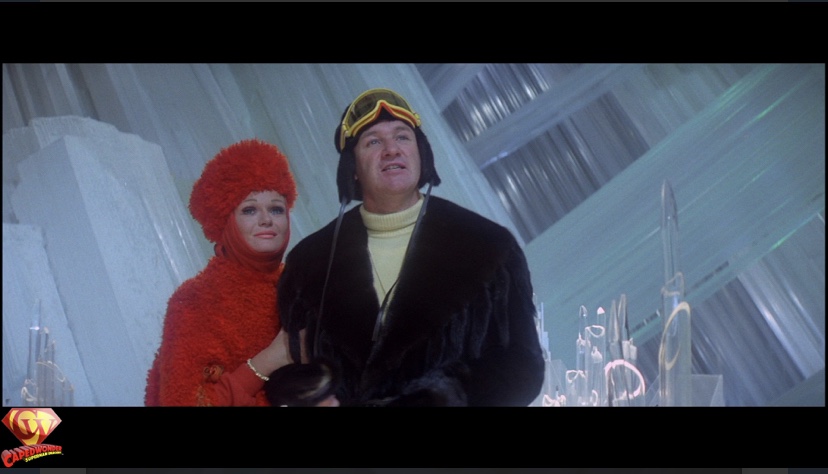
0:36:47 – 0:37:12: During the first sequence set in the Fortress of Solitude, Luthor accesses Jor-El’s interactive discussion about the history of the Phantom Zone. Once Jor-El states that he had no choice but to exile Zod, Non, and Ursa into the Phantom Zone for all eternity, Luthor asks, “No possibility for parole?”
Jor-El: “We have, of course, thought long and hard about that question.”
Luthor: “I asked the right question.”
Jor-El: “The one danger we considered was that the Phantom Zone might – we cannot know – it just might be cracked by a nuclear explosion in space. I cannot say that… that I am glad you asked me that.”
Luthor: “I didn’t ask anything.”
For some reason this brief portion of Donner’s footage is not present in the final version, though it is clear that Miss Teschmacher steps away from Luthor and the discussion. The segment is brief, a total of 25 seconds in length, yet it is not present in the final version of the Donner Cut. It appears that this was cut to differentiate the film from the original theatrical release, which used a different take of Donner footage with Gene Hackman and Valerie Perrine, combined with Lester footage of Susannah York as Lara.
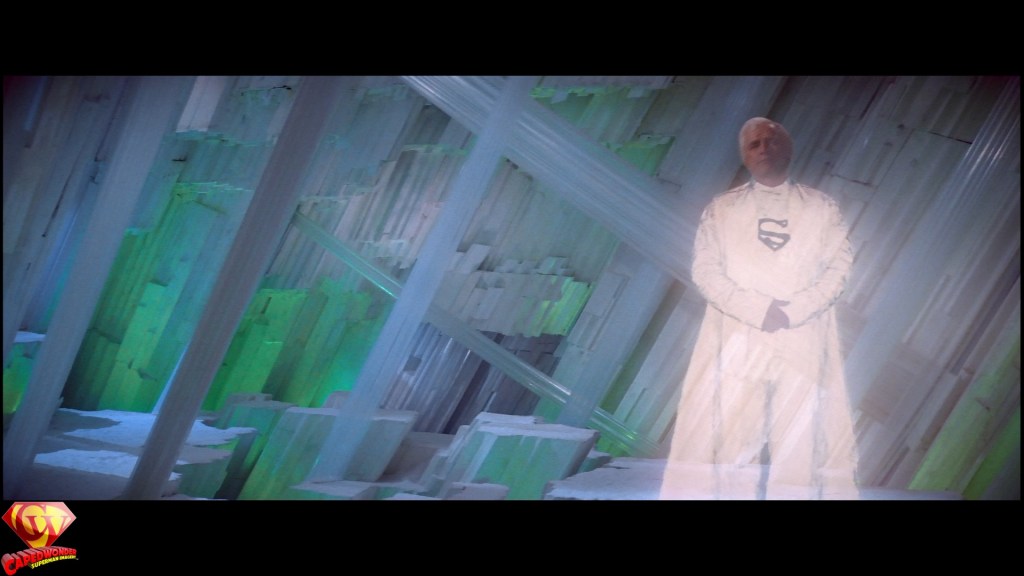
0:37:32 – 0:38:31: Once the Jor-El program ends, Luthor is left to muse about the possibility of aligning himself with the Phantom Zone villains. He then inquires about Miss Teschmacher’s whereabouts, when she responds, “I found it! I think.” We then hear a non-Kryptonian toilet flush, followed by her terrified scream to an unidentified occurrence. Luthor then simply comments, “She found it,” before he leaves.
More differences occur between the full version of the scene and what appears in the final Donner Cut. Once the program ends, the scene switches to a silent shot of Luthor at the console, followed by his thoughts, “Think of it. Three super villains. Three! Count them, three!” This long shot of Luthor was edited from the film, and the dialogue is instead placed over the shot of the disappearing program.
The end of the scene has also been re-edited in the final version of the film. First, once Luthor says, “It’s too true to be good, right?” we hear the toilet flush, then Luthor asks where Miss Teschmacher is. Then we hear her response, “I found it! I think.” End of scene.
Why Thau made these cuts to Donner’s footage, and whether Donner authorized these cuts to his own footage, is unclear as of this writing. All we know is that the final version of this ending runs 56 seconds in length, with 48 seconds of Donner’s footage lost in the re-edit.
In the next installment I will address some of the edits made to Richard Lester’s footage for the Donner Cut. More to come…
-
The Lunar Sequence of “Superman II”: Who Exactly Shot What?
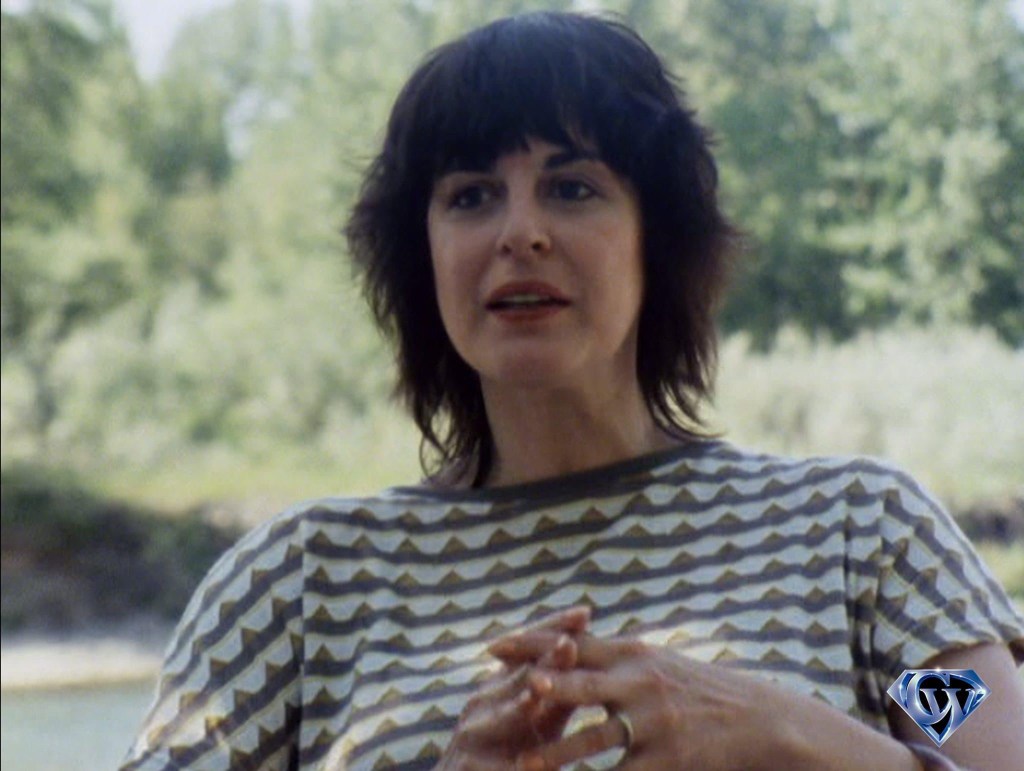
Dedicated with love to the memory of screenwriter Leslie Newman (1949-2020). It began as a simple research assignment: analyze the scripts for Superman and Superman II written by David and Leslie Newman in 1976 and 1979, respectively; identify the specific elements written by the Newmans that would survive into the final films themselves; and point out those particular elements of the scripts that did not survive their respective drafts. Simple enough, on the surface.
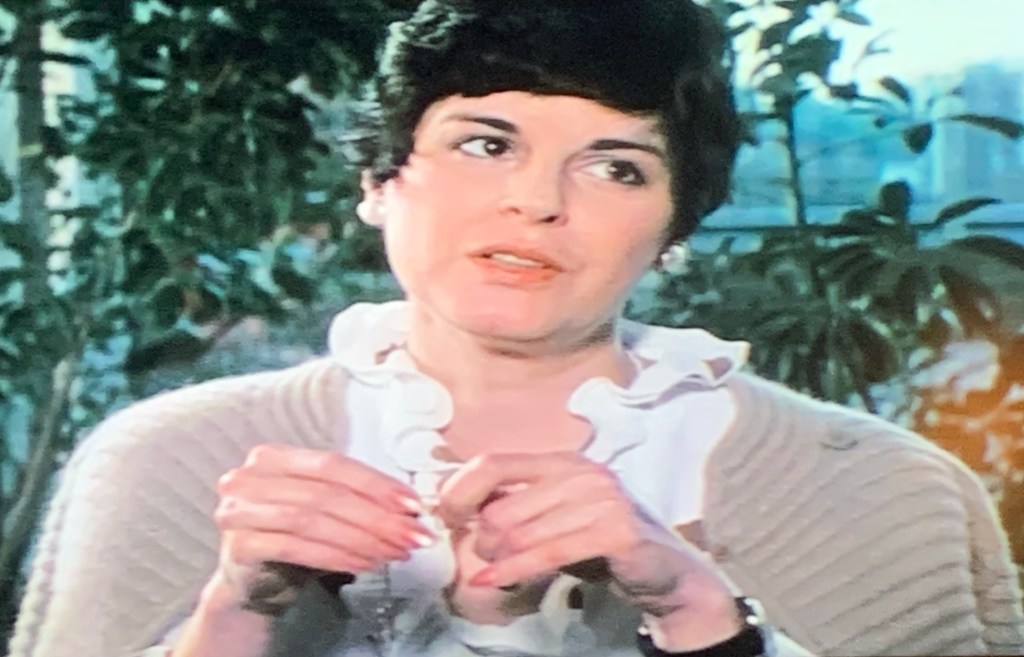
No sooner had I completed my research that I learned from Sarah Douglas, who portrayed Ursa in the two films, that Leslie Newman had passed away toward the end of 2020. My research had been essential for a beautiful tribute to the celebrated screenwriter who helped pen the scripts for the first three Superman films (and who also made a cameo in the extended TV version of Superman III as Ross Webster’s secretary).
But it was one sequence in particular that brought me back to a place that I never thought I would find myself in again after so many years.
Since 1999 I have studied and analyzed all four of the known versions of Superman II – the 1980-81 theatrical release, the 1984 extended TV cut, the 2006 DVD release of Superman II: The Richard Donner Cut, and the 2015 Vudu streaming version of the Donner Cut – in my attempt to specifically identify which scenes were directed under Richard Donner’s tenure on the film in 1977 and which scenes were helmed under Richard Lester’s tenure in 1979-80. As more information and more footage became available, I took it upon myself to identify those pieces of the puzzle and how they fit into the larger tapestry of the production of the film. Each time I would update my research accordingly, making changes and revisions as needed to bring the analysis up to date and as accurate as possible. And each time I finished my analysis, I felt that it was finally complete and my research on Superman II was behind me.
Not so.
Once I began reading through the lunar sequence in the Newmans’ draft, certain aspect began to leap off the page for me. It was then that I started added everything up, and I soon realized that I was onto something fresh here that I had been completely wrong about for decades. Armed with a copy of the 1977 shooting script from Tom Mankiewicz, the 1979 revised shooting script from the Newmans, a DVD copy of the extended TV version, Blu-ray copies of the theatrical release and the 2006 Richard Donner Cut, and a digital streaming copy of the Richard Donner Cut on Vudu, I began to deep dive once again into the film, focusing my attention this time specifically on the lunar sequence. Once more unto the breach, dear friends.
Please note that all time sequences of each shot in question are taken from the 1980-81 theatrical release (with brief forays into the 1984 external TV cut).
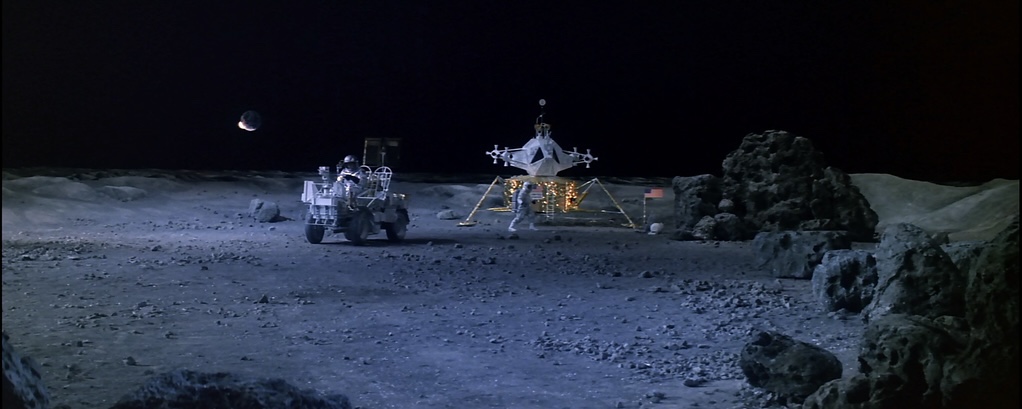
And so it begins again… 0:24:43 – 0:25:17 (NASA controllers at Houston contacting Artemis II) – Lester footage (0:34).
0:25:17 – 0:25:21 (exterior of lunar surface) – Donner footage with Lester-directed voiceovers (0:04). The voiceovers of John Morton and Shane Rimmer were overseen during Richard Lester’s tenure on the film in 1979-80.
At this point the controller refers to the astronaut as Nate. This name is consistent with the identity of the astronaut as referenced in the Newman’ script from 1979. The Tom Mankiewicz script from 1977, however, refers to this astronaut as Dave.
0:25:21 – 0:25:25 (interior of Artemis II; “All systems normal, Houston…”) – Lester footage (0:04).
In this brief clip I can determine that this is indeed Lester footage. At the end of the shot refers to the other American astronaut by the name Andy, which is also referenced in the Newmans’ script from 1979.
In addition the exterior of the lunar module is highly detailed with equipment, whereas in the Donner footage the module does not contain any specific detailing on the exterior of the lunar module. This further points to the closeups of the exterior of the lunar module as Richard Lester footage.
Also, it is believed that these were scenes that Richard Donner never got around to filming after the simultaneous shooting on both Superman films came to an end in 1977 so the focus could center on completing the first film.
Finally, I looked up John Morton’s acting credits on IMDb, and he had in fact worked with Richard Lester in or around early 1979 on the film Cuba, in the role of Gary, just prior to both men working on Superman II.
0:25:25 – 0:25:53 (exterior of lunar surface; closeup of Boris) – Donner footage with Lester-directed voiceovers (0:08).
0:25:33 – 0:25:18 (détente humor; Ursa flies by; controllers’ reactions) – Lester footage (0:45). We have further conclusive evidence that the interior shots of the lunar module were filmed by Richard Lester.
First, the exterior of the lunar surface is inconsistent with the lunar surface as it appears in all of the Richard Donner footage. In addition, the exterior illumination appears to the left of the lunar module as Ursa flies by. This illumination is inconsistent with the illumination from the Earth and the sun in the Donner footage, which is behind the module, not in front.
Furthermore, it appears that Richard Lester used a stuntwoman to portray Ursa in this quick flyby shot, though it is impossible to clearly identify the stuntwoman portraying Ursa in these brief moments. In a Facebook post from 25 January 2021, both Sarah Douglas and Jack O’Halloran (Non) stated that neither of them filmed any additional shots for Richard Lester for the lunar sequence.
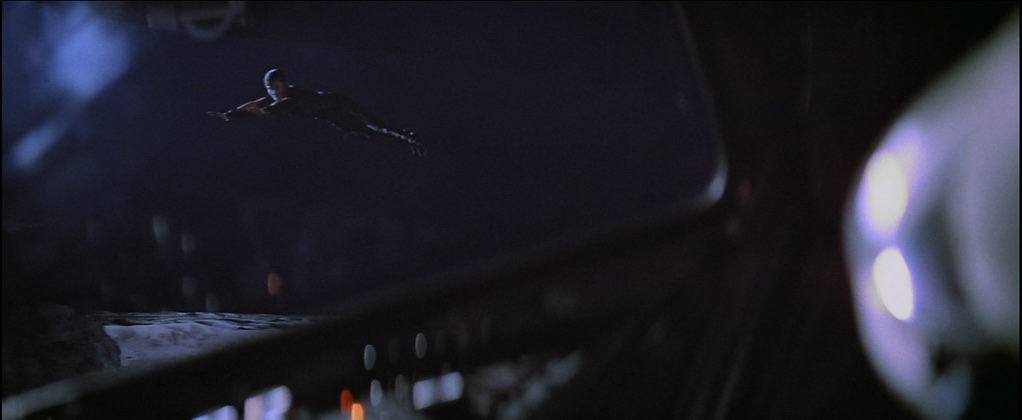
It looks like an unidentified flying object, but is it Sarah Douglas? Not necessarily so… 0:26:18 – 0:27:11 (Ursa confronts Andy) – Donner footage (0:43). In this sequence, the wires holding the astronaut are clearly visible in the shot. According to the Tom Mankiewicz script from 1977, the astronaut is named Robbie, not Andy.
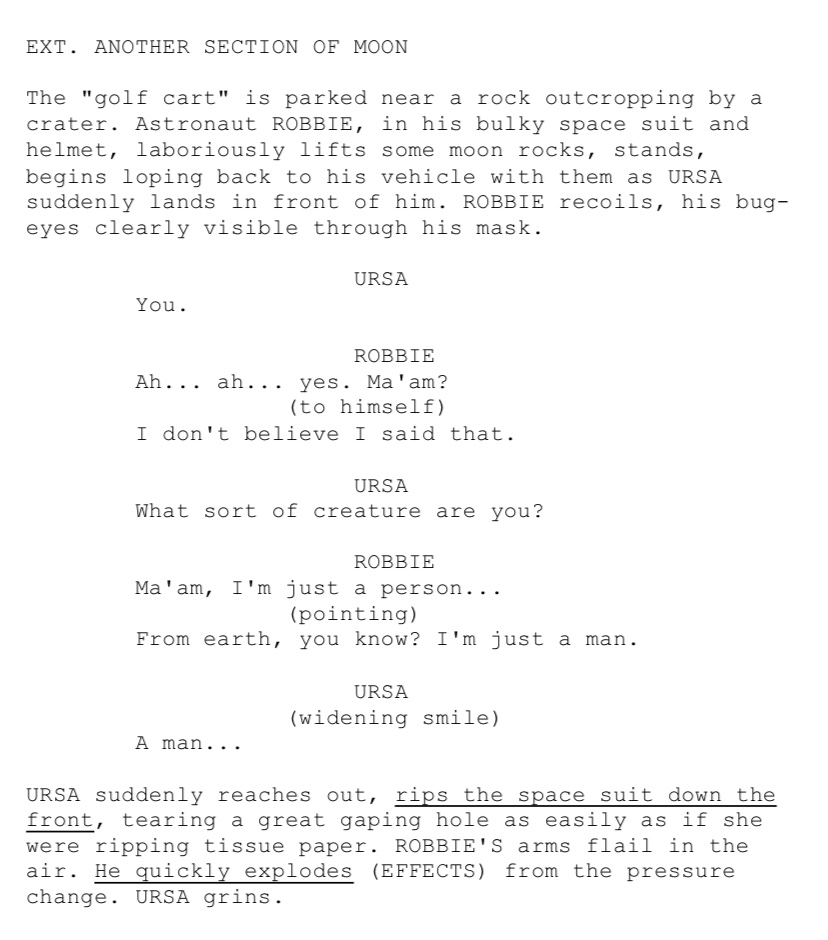
Excerpt from the Tom Mankiewicz script from 1977. 0:27:01 – 0:27:03 (Ursa lands) – Lester footage (0:02). While Sarah Douglas clearly stated that she did not film any additional footage for the lunar sequence for Richard Lester, this is clearly an insert shot filmed at another time and inserted into the sequence. This shot was removed from the film for the Donner Cut.
0:27:03 – 0:26:16 (Ursa kills Andy; Zod mills Boris; villains on the lunar rover) – Donner footage (1:13). A couple of brief moments are trimmed from the sequence of Zod killing Boris – of Boris bouncing and landing before Zod, and Zod pulling the oxygen cord the first time – from the Donner Cut.
0:28:16 – 0:28:20 (Nate attempts a manual liftoff) – Lester footage (0:04). Another difference between the Lester footage and the Donner footage can be found in the location of the control panel, which appears to be located on John Morton’s right. In other shots a different control panel is seen on the left of the astronaut, just under the module’s window.
0:28:20 – 0:28:28 (attempting manual liftoff) – Donner footage (0:08). As stated earlier, the detailing on the outside of the lunar module is not present in the Donner footage as it is in the Lester footage. Also, a mannequin of the astronaut is inside the module as opposed to an actor.
0:28:28 – 0:28:30 (attempting manual liftoff) – Lester footage (0:02).
0:28:30 – 0:28:34 (Zod and Ursa watch as Non pulls on the lunar module’s landing gear) – Donner footage (0:04). Behind the scenes footage from this sequence can be seen in the “Making of Superman II” documentary, and numerous production photographs confirm that Richard Donner filmed the exterior portions of this sequence. In addition, the control panel seen in the shot is different from the panel that appears earlier in the Lester footage.
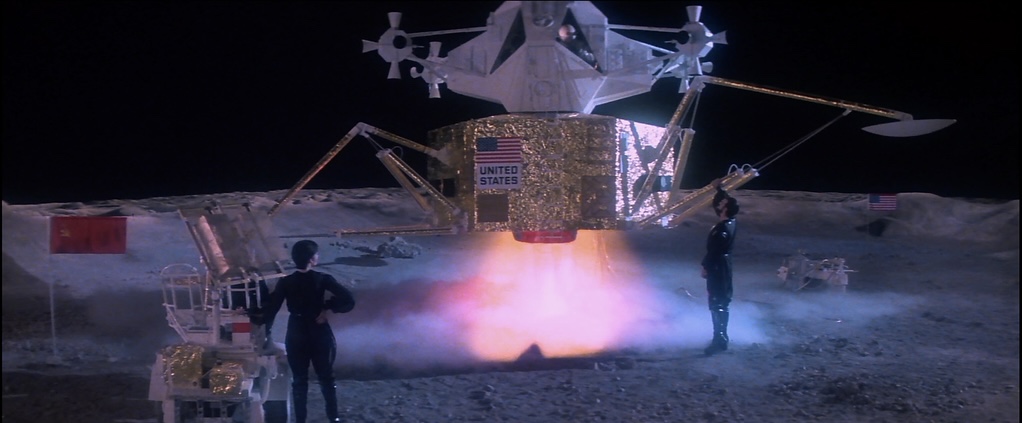
0:28:34 – 0:28:37 (module panels begin to crash inside) – Lester footage (0:03).
0:28:37 – 0:28:38 (Non pulls on the landing gear) – Donner footage (0:01).
0:28:38 – 0:28:40 (module panels crash inside) – Lester footage (0:02).
0:28:40 – 0:28:48 (module collapses; Non flies up) – Donner footage (0:08).
0:28:48 – 0:28:53 (module panels crash inside; Nate is killed) – Lester footage (0:05). Another indicator that this is Lester footage can be found in this last clip. Here, when Nate is killed, he falls to his right in the module. This is different from the next shot, which shows the astronaut slumping down to his left and onto the control panel as he is killed.
0:28:53 – 0:28:54 (astronaut is killed) – Donner footage (0:01).
0:28:54 – 0:29:40 (NASA loses control) – Lester footage (0:46). The time indicated for this sequence is taken from the extended TV cut first shown on ABC in 1984. Nine additional seconds were added to the scene of the controllers chalking up the loss of communication to electrical interference from someone using a hair dryer. The last four seconds of this added footage appears in the Richard Donner Cut, resulting in the scene running 20 seconds long.
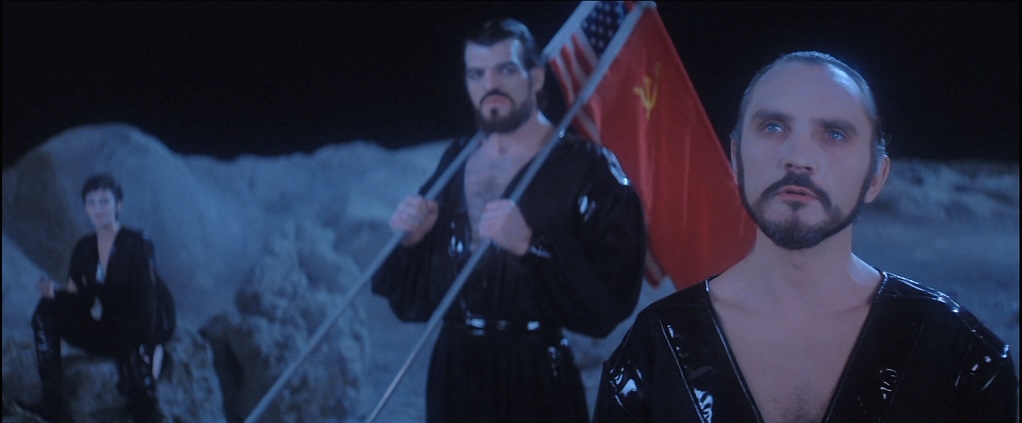
0:29:40 – 0:30:32 (villains discuss their powers, fly to Earth) – Donner footage (0:52). Seven seconds of footage were restored to the extended TV cut in 1984, of Zod telling Ursa that she will have everything she wants, and Ursa saying, “Men… to kill!” This added footage is only in the extended TV cut and in no other version of the film. For the Donner Cut, the final shot of the villains flying off is rotated, giving added emphasis to the villains’ flight.
Altogether, the sequence runs five minutes, 49 seconds long, with 2:27 of the footage confirmed and verified as Richard Lester footage and the remaining 3:22 of the footage confirmed and verified as Richard Donner footage. Of the Lester footage for the sequence, one minute, seven seconds corresponds with the shooting script written by David and Leslie Newman in 1979. This would bring the total composite tally of all Lester footage used in the final film to approximately 67 percent, with the remaining 31 percent comprised of Donner footage.
For the Richard Donner Cut, the numbers must be adjusted to 81 percent of Donner footage and 19 percent of Lester footage. For the extended TV cut, the numbers are again adjusted to 57 percent Lester footage and 42 percent Donner footage.
When you take into account all of the factors – the Tom Mankiewicz script from 1977, the Newmans’ script from 1979, the set design, the lighting, the props, and most importantly all of the available footage – this critical sequence from Superman II becomes clearer to define and adds further detailed pieces to this already growing puzzle of one of the most complicated productions in film history.
Which leaves one final question to ask: which version of the film will be included in the 4K release next year – the final Richard Donner Cut, the Vudu streaming version, the extended TV cut, or maybe a comprehensive package of all four versions of the film similar to what Paramount Home Video did earlier this year with their 4K release of Star Trek: The Motion Picture? Only time will tell.
-
Unveiling the logo…
With a blog like this, there has to be an official logo to go along with it, right? Well, now there is!
Pretty spiffy! And in the style of the classic movie logo… This will be the logo for my Facebook page and the blog page (as soon as I have time this weekend to get the blog’s cover page updated).
I have to give thanks where it is due, because it’s not an easy task designing what looks like a relatively simple idea. And it is with much gratitude that I thank my friend Aaron Price for his time and hard work in designing the logo for me.
Aaron is an awesome digital artist who has done logo work for CapedWonder.com over the years, and he has also created a number of videos on YouTube where he has upgraded some of the visual effects for Superman IV, bringing numerous scenes in line with the first three films and correcting a number of glaring errors in the film. Click on the links below to check out some of his amazing work:
The main title credits: https://youtu.be/6BUYEsm6O6M
A much better subway sequence: https://youtu.be/qxa0o4Me9Mg
Correcting the infamous Great Wall of China sequence: https://youtu.be/rgUgdpP_2K8
These are but a few of the scenes Aaron has revised and color corrected to give viewers a taste of what Superman IV should have been, and if and when Warner Bros. decides to officially release the complete 134-minute cut of the film, they should hire this amazing digital artist to bring the film to completion. Even the color enhancements on these scenes give the film so much life.
If you want to follow his work, go to his official Twitter account @AaronLewisPrice for more.
Many thanks, Aaron!
-
4K, The Prison Scene, and Kevin Conroy RIP
With the recent announcement that the four Christopher Reeve “Superman” films are coming out in 4K format next year, much speculation has been made about what will be included with the films. Will the extended TV versions of the first film be included? Will we see the original 134-minute version of “Superman IV”? Which version of the Richard Donner Cut of “Superman II” will be included, the original 122-minute streaming version (also known as the Vudu cut) or the final 116-minute cut? Will the color balance on “Superman: The Movie” be corrected? Will there be more extras than what has been previously released in the 2006 Ultimate Collector’s Edition DVD set or the 2011 anthology Blu-ray set?
And the answer to all of these questions and more is this: it’s too early in the game to know what will be included. But when official word comes out, I will post that announcement on the blog page.
So let’s turn our attention to the extended version of “Superman II”. I’ve studied and analyzed this film in all of its forms for nearly twenty-five years, and every time I do, I learn something new. Take the first prison scene involving Lex Luthor (Gene Hackman) and his henchman Otis (Ned Beatty), for example. This is more than what we saw in the theatrical version of the movie. Rather, it is a combination of theatrical footage, extended footage, alternate takes, and clips that would later appear in the Richard Donner Cut. The Salkinds, having control of the TV edits, inserted more footage throughout the film as their way of getting more money in their pockets. The extended version of “Superman II” contains approximately 20-25 minutes of footage not seen in the theatrical version, including a number of unreleased and alternate clips shot by Donner in 1977.
So let’s deep dive into the scene…
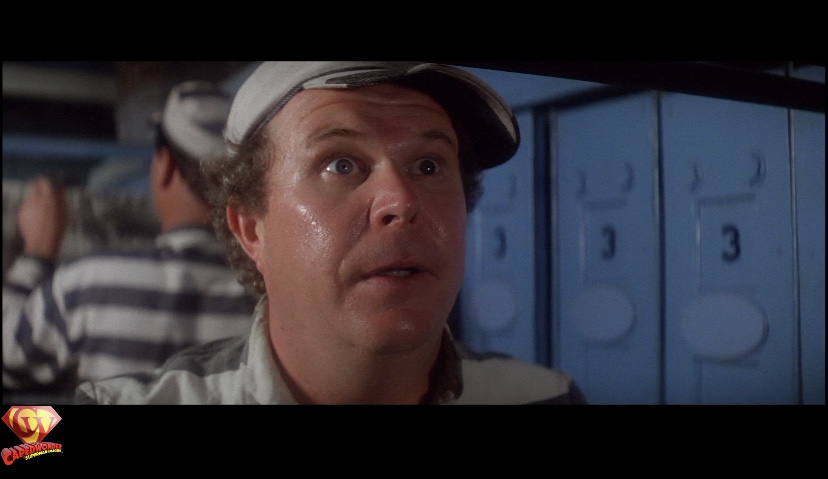
All screenshots from “Superman II: The Richard Donner Cut” are taken from the 2011 Blu-ray release and are courtesy of CapedWonder.com. Right at the start we see an extended bit of Luthor saying, “Your brain defies every known scientific law in its infinite capacity to deteriorate.” This line is only seen in the TV cut and nowhere else.
This is followed up by his line, “Every man has his vulnerable point…”, and here we have the footage of Gene Hackman saying that line. In the theatrical version and the Donner Cut, that footage is not seen, though we hear the line in every version (theatrical, TV, Donner Cut).
This then jumps to the close-up of Otis. In the TV cut it is inserted over the line of Luthor saying, “Some, like you, Otis, have more than one.” Whereas in the theatrical version and the Donner Cut the close-up is inserted over the line, “Every man has his vulnerable point…”
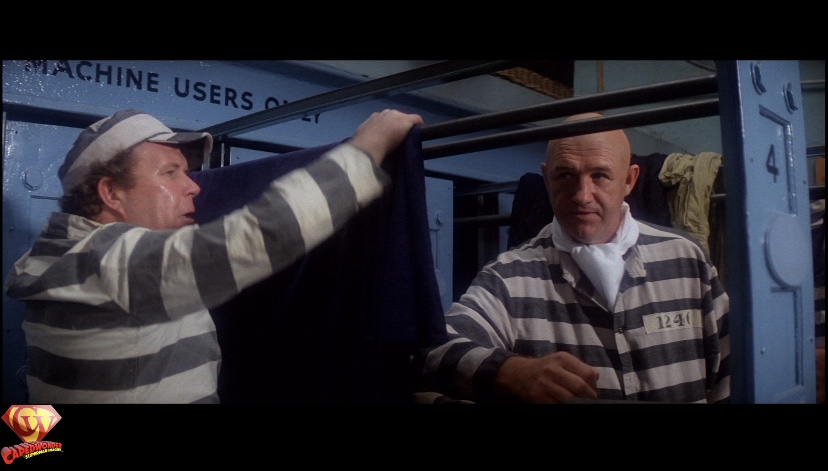
Pausing for a moment, the footage of Luthor saying, “Some, like you, Otis, have more than one…” is seen in the theatrical and Donner cuts. The editing of this dialogue from these shots is particularly awkward given the added clip and the placement of the Otis close-up in all three versions.
The scene then continues with Luthor mentioning the black box, the same across all three cuts.
What comes next is an alternate version of Luthor describing how the black box works. There are two keys here. First, pay attention to this line and how it differs across all three cuts:
Theatrical: “That little black box goes beyond any conventional radar…”
TV: “That little black box goes beyond any KNOWN (capitalized here for emphasis) conventional radar…”
Donner Cut: “That little black box goes beyond any NORMAL (capitalized for emphasis) conventional radar…”
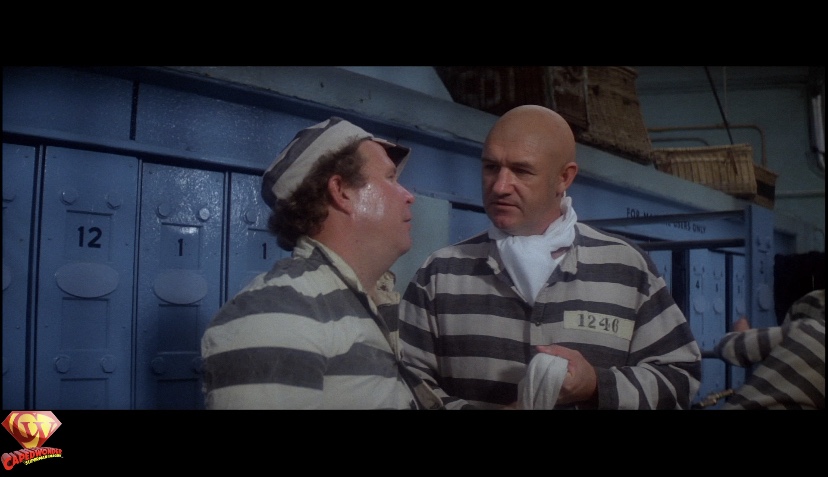
This line delivery alone confirms that Donner shot that take no less than three separate times.
Second, this alternate TV take first references, “I could have said it tracked pasta e fagoli, couldn’t I?” The Donner Cut uses an alternate version not only because of Hackman’s black box line but also because of Ned Beatty’s delivery of the line, “With garlic, Mr. Luthor, and butter. Oh, it’s so good…” The line is much faster in the TV cut but in the Donner Cut it’s a little slower. For some reason the theatrical version does not include the pasta e fagoli reference. Whether Donner shot it that way or not is unknown.
Finally, we have the alternate shot of Luthor saying, “Those alpha waves will take me north to his secret. And when I have his secret, I’ll have Superman.” This alternate take also includes the Slasher Fogelstein reference and is the same take that is used in the Donner Cut.
The theatrical cut used an alternate take which has a different delivery of the line, “And his secret will give me Superman.” It also does not include the Slasher Fogelstein bit at the end.
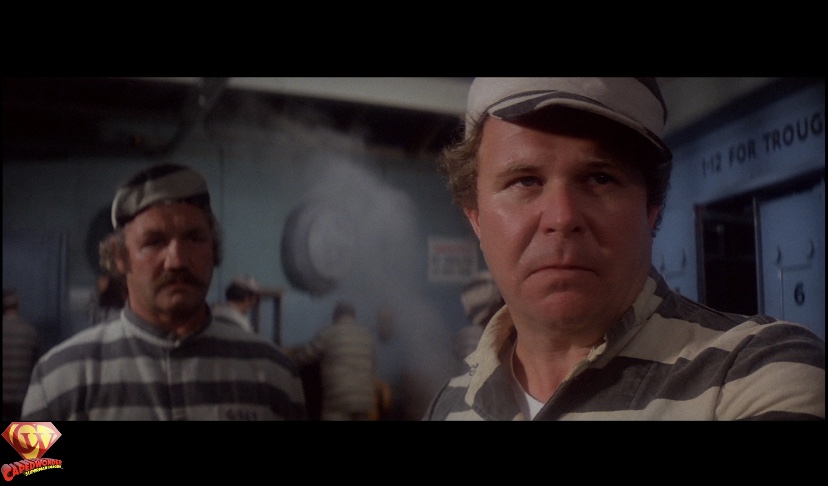
“Hi, Mr. Fogelstein.” So the question now is, when will we see this in an official Blu-ray release? Warner Bros. and the Warner Archive have commented that a complete print of the “Superman II” extended TV cut exists, and, based off the added clips in both versions of the Donner Cut, we know that there is indeed a widescreen version in their vaults. As the extended KCOP version of the first “Superman” film did extremely well for the Warner Archive, it makes sense that they should release the extended versions of the sequels on Blu-ray also. Time will tell, so stay tuned!
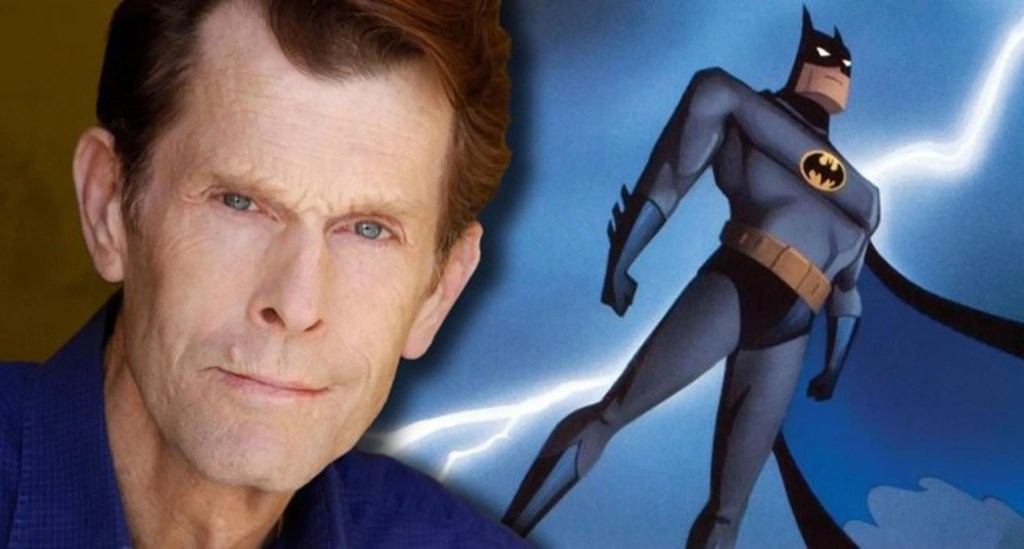
Finally, while it’s not related to the “Superman” films, I want to acknowledge the passing of Kevin Conroy at the age of 66. For three decades he was the iconic voice of Batman in the wonderful animated series, spin-off films, and many of the Batman video games over the years. His loss is huge, and I would like to offer my condolences to his family, friends, and many fans.
-
The Superman III We Almost (But Never) Got to See
Upon the release of Superman II in theaters in December 1980 and throughout the first half of 1981, the first thing that we noticed in the end credits was the title card “Coming Soon – Superman III”. It was a foregone conclusion that a third film was happening right from the start, and in one quick interview before a premiere Christopher Reeve himself confirmed that he would in fact return for a third film.
But the road to Superman III was an interesting one, to say the least, and the one person who was going to creatively steer the film to development was none other than the series’ executive producer himself, Ilya Salkind.
As early as the Cannes Film Festival in May 1980, Ilya Salkind announced that pre-production had begun on Superman III, and he began to write a story treatment for what he saw Superman III to be about. His first treatment, dated 7 November 1980, focused first on the removal of Lois Lane from the story altogether. This was a foregone conclusion, as he, Alexander Salkind, and Pierre Spengler had problems with the late Margot Kidder through production of II. In an interview with Time Out in April 1981, shortly before the film’s premiere in England, Kidder aired a lot of dirty laundry over the Salkinds’ treatment and firing of director Richard Donner in March 1979 and over her reduced salary from the film. She eventually sued the Salkinds for one million dollars and won the lawsuit, but this caused the Salkinds to consider removing her from the overall story for III. There’s a familiar quote about being careful not to bite the hand that feeds you.
Salkind’s treatment begins in 1981 with Clark Kent receiving a letter from Lois in which she states that she’s been transferred to a foreign office of the Daily Planet in Hong Kong. She confesses her love for Superman, but she’s unable to stand the pressure of being in continual danger in Metropolis, which spurs her decision to leave. Clark is hurt by her words because he is secretly Superman, and he realizes that there are some things in the world that he cannot fix with a memory loss kiss or by turning back the world. Eventually a new reporter joins the Daily Planet: Lana Lang, one of his old high school friends from Smallville, and they begin to take a liking to one another.
Meanwhile, we see that there was another survivor from the destruction of Krypton: Kal-El’s cousin Kara, who would become known to the world as Supergirl. Instead of arriving on Earth, her ship landed on an alien planet and found by the super computer alien known as Brainiac, whom he raises as an adoptive daughter at first. But his feelings turned into affection over time, and once she grew up, Brainiac asked Supergirl to marry him, and she rejected him. She escaped Brainiac’s planet and arrived on Earth, where she assumed an identity as a gym teacher at a local high school, hoping to escape detection by Brainiac. Ultimately, she performs a heroic rescue in which she has no choice but to use her Kryptonian powers, and she is revealed to the world as Supergirl.
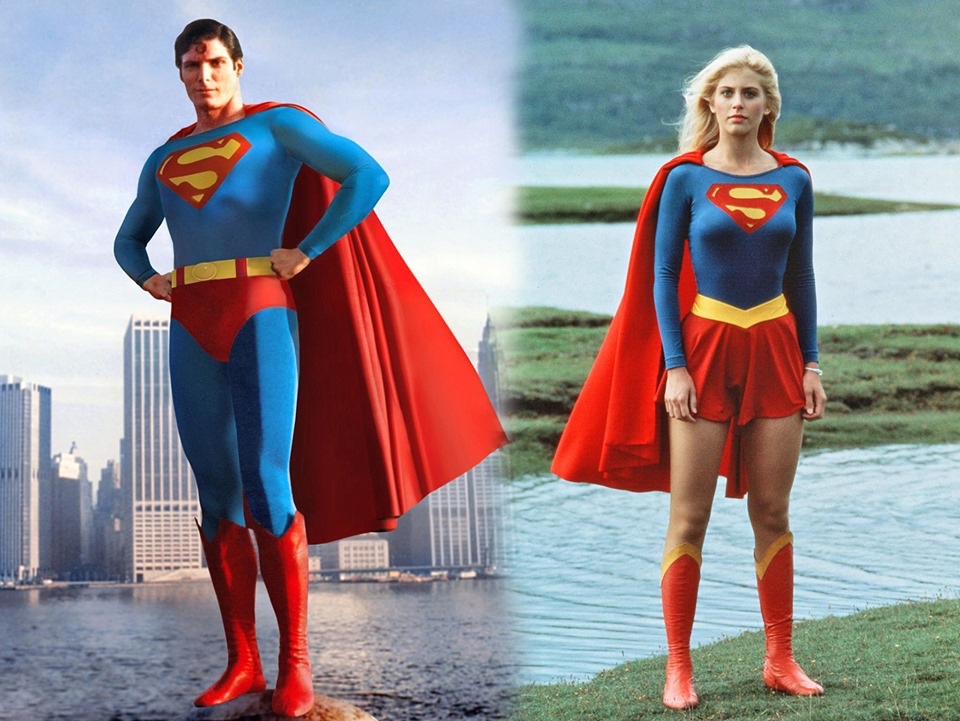
Wanting to know more about her intentions, Superman poses as a petty criminal in order to meet this new arrival. When they encounter each other, he finds out that Supergirl is indeed there for good. They eventually spend time together asking questions and learning about each other, and before long, they fall in love.
Brainiac soon arrives on Earth and begins transforming stones into gold to obtain wealth and power, which he uses to establish his headquarters in a European castle to build up his weaponry, and it is there that he discovers that both Supergirl and Superman are on Earth. He soon develops a weapon that alters Superman’s emotions, which also affects Clark Kent as well. Clark soon turns moody and violent, slapping his editor Perry White over a typographical error in one of his articles. Later, while making love during a fire, Superman turns violent and destroys everything around him. This leads everyone in the world that only Supergirl can stop Superman, and it’s at this time that Brainiac offers Supergirl a deal: marry him, and Superman would be spared. Spur him, and Superman would suffer even more. Playing along with Brainiac so she can discover his weakness, Supergirl goes with him to his castle.
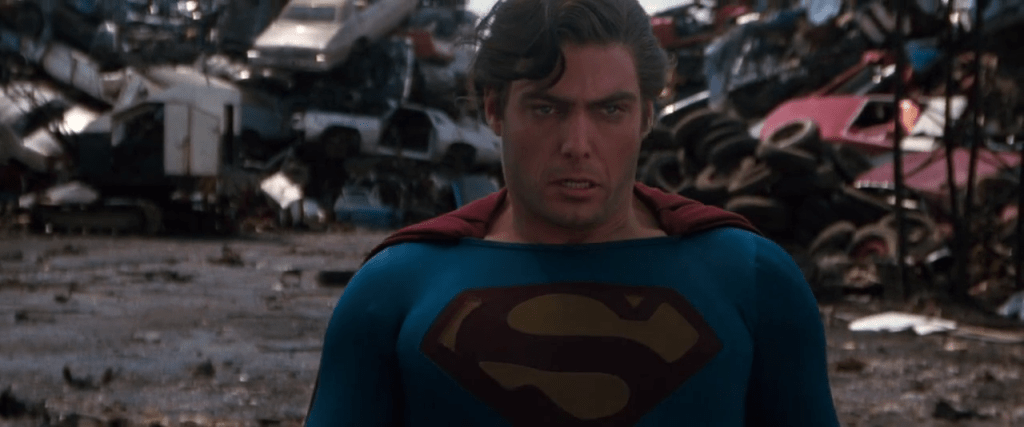
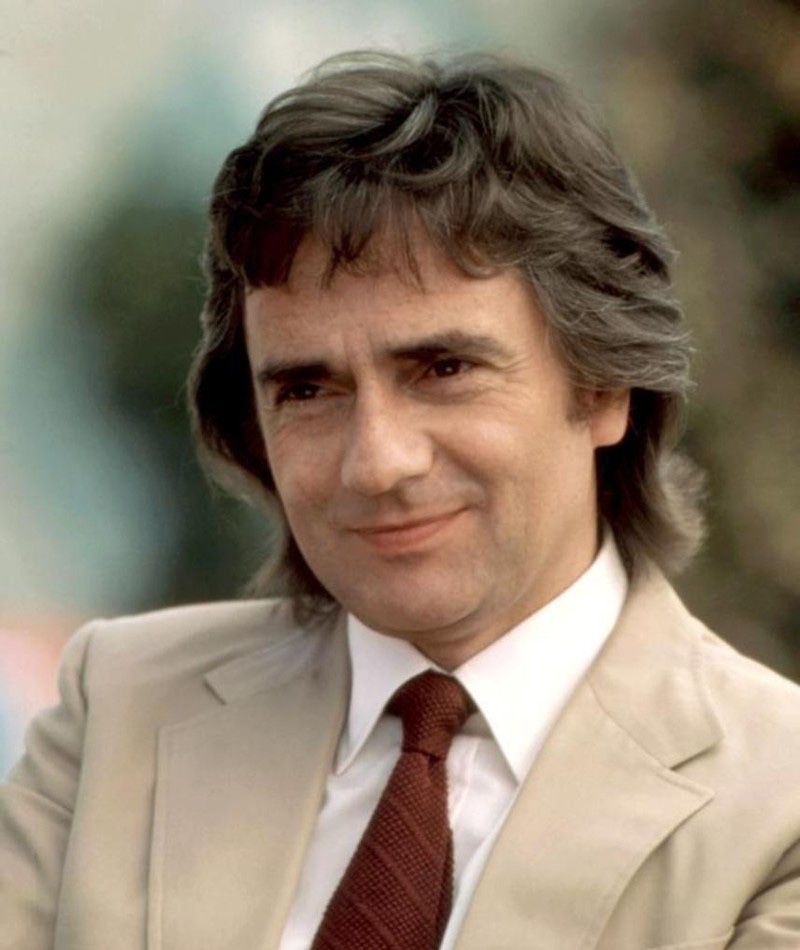
Once Superman is freed and returns to his normal self, he begins searching for Supergirl but ultimately encounters the mischievous Mr. Mxyzptlk, a being from the fifth dimension. (Salkind had written the part of Mr. Mxyzptlk with the intention of casting comedian Dudley Moore in the role.) Mxyzptlk soon causes destruction around the world with his form of practical jokes. Back in Metropolis, Perry sends Lana and Jimmy Olsen to Europe to track down Superman’s whereabouts. Ultimately, Superman returns Mr. Mxyzptlk to his own dimension by forcing him to say his name backwards. One enemy down, one to go.
Superman soon tracks down Brainiac and fights him, but Brainiac soon traps Superman and overpowers him. He then takes Supergirl with him to the Middle Ages and exerts his influence over her and the serfs and noblemen of the time, reminding her that if she does not willingly obey him, he will still destroy Superman. Jimmy and Lana soon rescue Superman from Brainiac’s trap, and he takes them under his cape (apparently Superman’s cape was super stretchy enough to cover two fully grown people at the same time!) and goes back into the past. They soon learn more about Brainiac’s reign of terror and arrive at Brainiac’s castle (apparently the same castle as in the present), where Brainiac again uses his weapons to try to stop Superman. Ultimately, Superman escapes and returns to the future to seek help from Mr. Mxyzptlk, who sends the entire town into another dimension where Superman, Supergirl, and Brainiac have no powers at all. The Kryptonians don medieval armor, defeat Brainiac, and trap him in the otherworldly dimension.
But Mr. Mxyzptlk is not done yet. He goes back on his deal with Superman and transforms Metropolis into a giant jigsaw puzzle. Superman and Supergirl have only sixty seconds to solve the puzzle before millions of people die, and they succeed, sending Mxyzptlk back to his own dimension. The end of the story would have seen Superman and Supergirl getting married either at the end of Superman III or at some point in Superman IV.
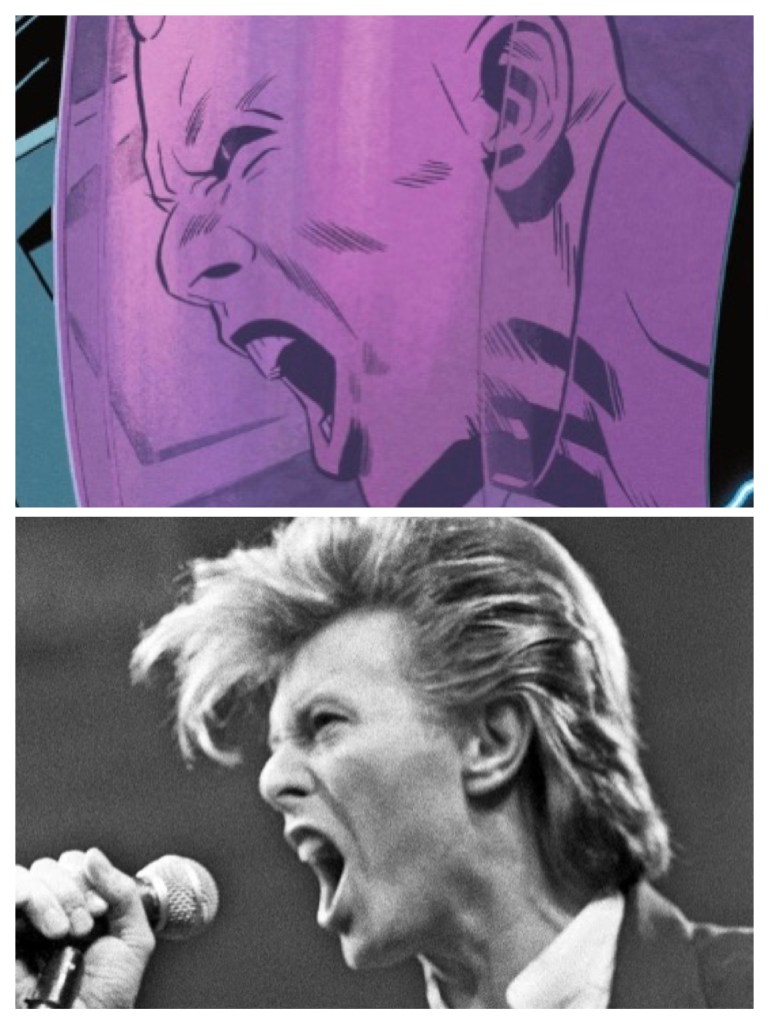
Ilya Salkind would submit a second revised treatment of his story to Warner Bros. executives on 27 March 1981, but the treatment was ultimately rejected, as it was deemed too expensive to produce. Elements of the story – including a super computer, the introduction of Lana Lang into the film, and Superman’s alternating mood swings – would carry over into the final film in 1983, and the character of Supergirl would get her own spinoff film in 1984 with Helen Slater in the title role. Salkind stated in the audio commentary on the Superman III DVD that releasing Margot Kidder from the overall story was not due to retaliation for her lawsuit but due to their decision to go in a different creative direction. Pick your side, either argument fits. The character of Brainiac would later appear in the Superman ‘78 comic series, with the idea of writer Robert Venditti and artist Wilfredo Torres to show what it would have looked like if David Bowie had been cast in the part.
In April 2022 Neuverse Creative produced an audio recording of Salkind’s Superman III treatment, which was released on their Spotify channel. I happened to come across this 15-minute audio recording, which is more of a brief narration of the treatment than an audio adaptation. It contains only two voice actors for Lois Lane and Brainiac, and a brief reprise of John Williams’ Superman theme is heard at the end of the audio narration. Look it up on Spotify.
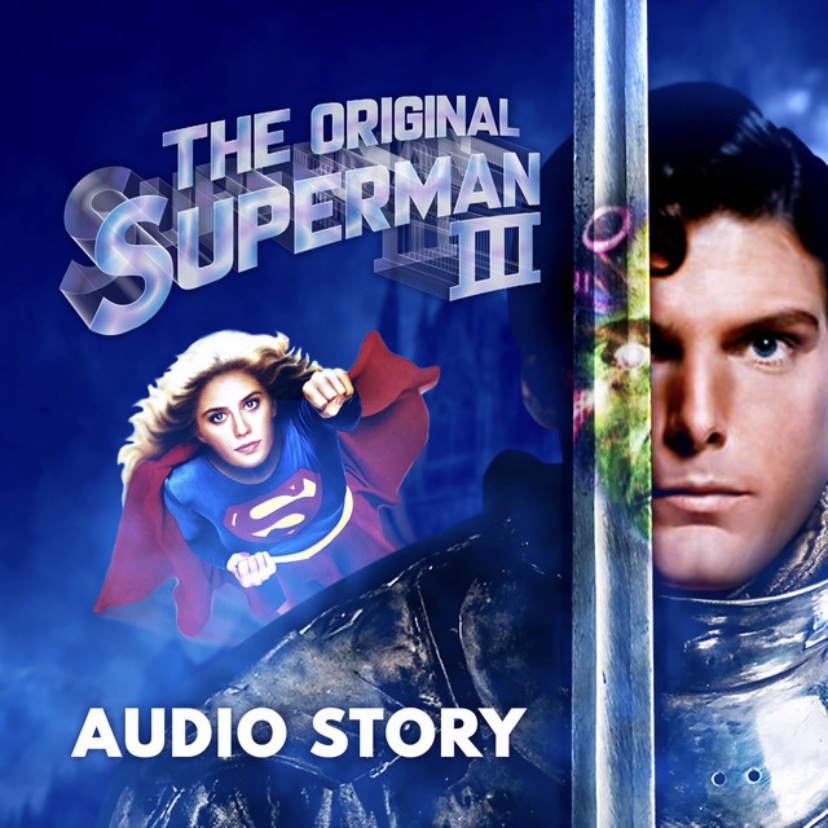
Are you as intrigued, or surprised, or disappointed, as I was? Give it a listen and let me know your thoughts.
-
What the…?
So I woke up just a little while ago, and I noticed this pertaining to the Superman: The Blog Facebook page…
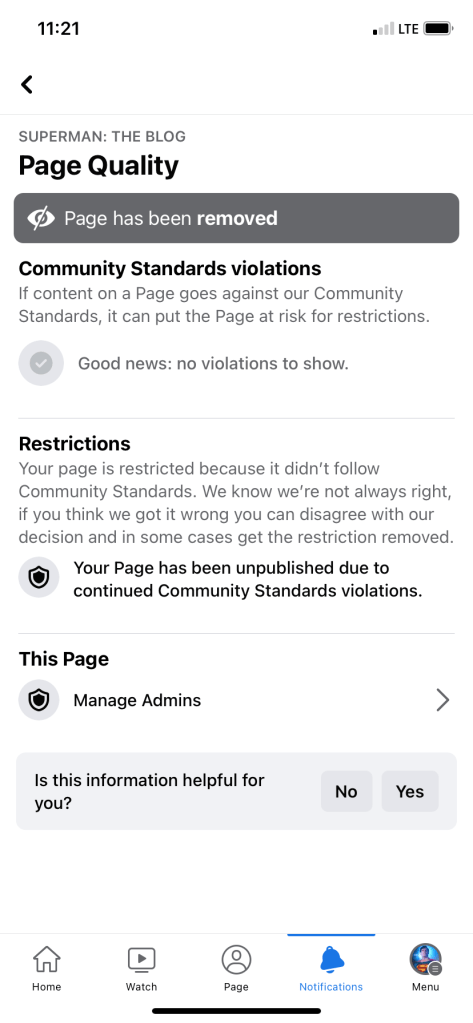
I’ve done some checking, and I can’t find one thing on the blog where it supposedly violates any Facebook standards. I’ve put in a request to find out what’s going on.
In the meantime, that doesn’t mean that the blog isn’t going on. I’ve got lots of content to share with you, so this is just a bump in the proverbial road where Facebook is concerned. Stay tuned, because there’s lots of good stuff coming down the road!
-
Novelizations and Adaptations – Postscript?
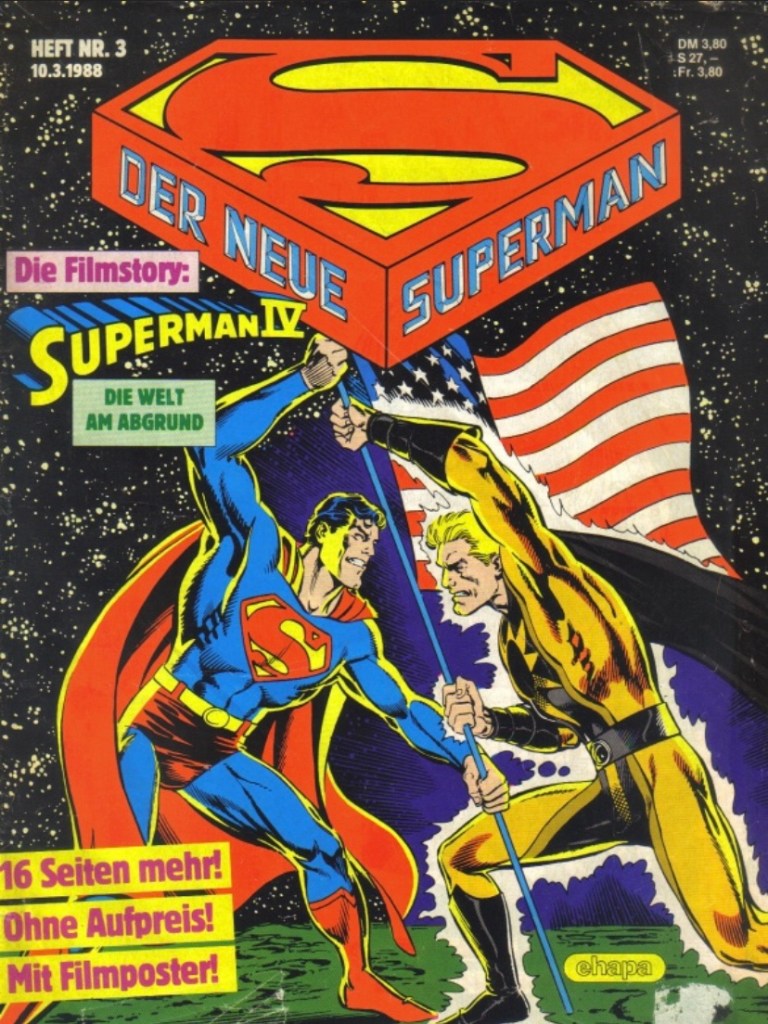
Well, dear readers, you’d have thought I would have explored everything there is about the adaptations and novelizations of the Christopher Reeve Superman films… guess again!
I heard from my friend Alexei Lambley-Steel, the webmaster of the website ChristopherReeve.co.uk, who shared with me this interesting version of the Superman IV comic that was released in Germany. According to the magazine, the film was released in Germany as Superman IV: Die Welt Am Abgrund, which translates to The World at the Abyss. That subtitle sounds a bit more epic, in my opinion.
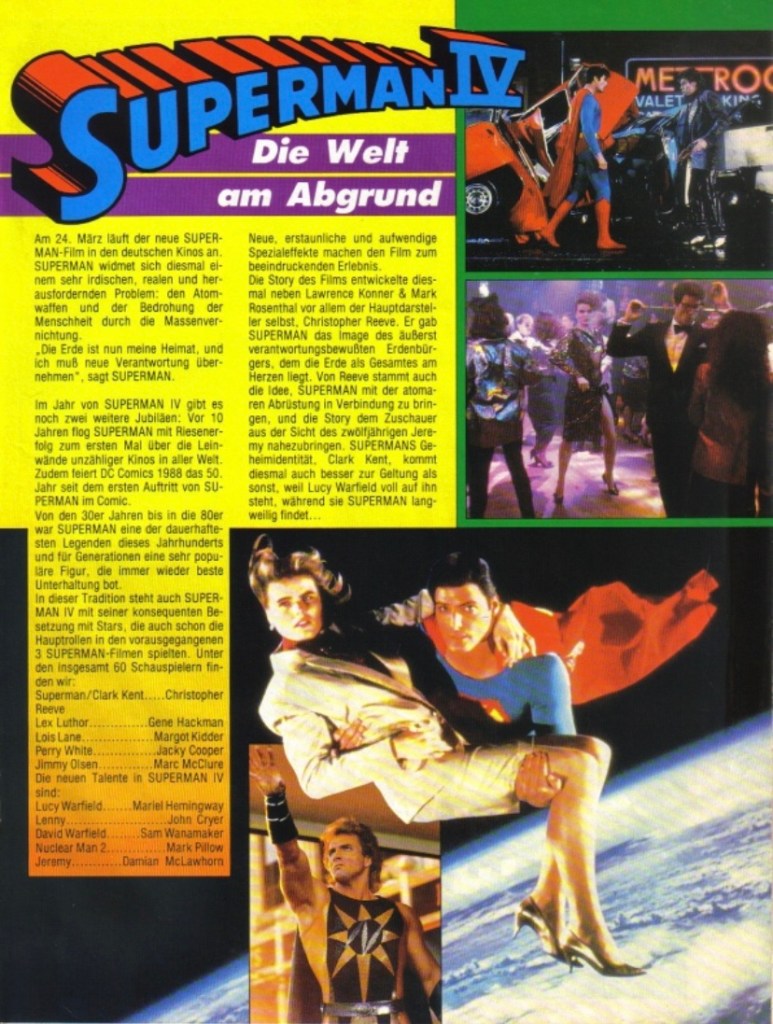
Along with the adaptation, the magazine – which is glossier than the regular DC Comics adaptation – features an article on the making of the film and a double-sized version of the German theatrical poster. While the poster artwork may not be the greatest, at least it promotes a greater sense of urgency to the film’s timely plot, which had been inspired by a short film called A Letter to Our Parents, produced by a group of schoolchildren who expressed their concerns about living in a nuclear age and featured narration by Reeve.
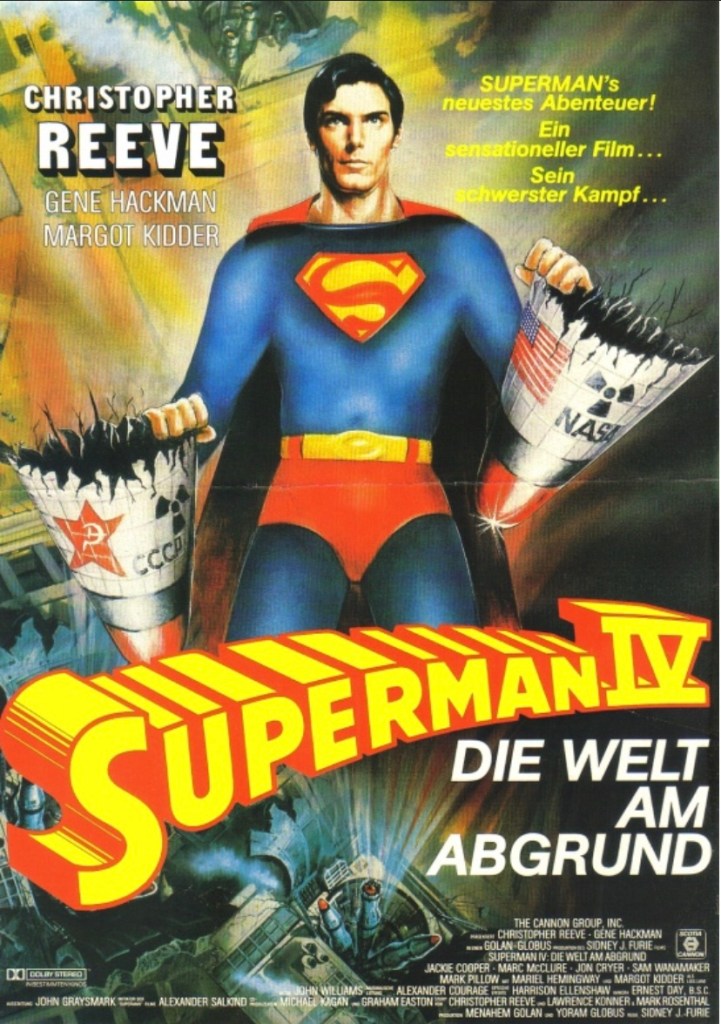
This variation of the comic book adaptation is also a highly sought collectible by Superman fans, and I want to thank Alexei for bringing it to my attention.
Also, I would enjoy hearing from you, the readers, about how I’m doing with this blog. Feel free to leave your feedback at the bottom of the page! I want to see this blog grow in time and bring in more readers and fans, so I look forward to your support. Many thanks!
-
Novelizations and Adaptations – Part 1
If you’re of a certain age like me, you’ll likely remember that novelizations and adaptations of films and television series were prolific throughout the 1970s and 1980s, and they continue to this day. There’s only so much room in a two-hour (or two and a half, or maybe three) film that can be conveyed, with who knows what left on the cutting room floor, and the same can be said with TV series as well. In the case of the original Star Trek series, for example, writer James Blish had access to the shooting scripts for the episodes and not the final episodes. In certain cases titles were different, and some of the adaptations contained added material that were left out of the final telecasts. Blish wrote twelve volumes of Star Trek adaptations until his death, and his wife J.A. Lawrence would complete the novelizations for a thirteenth volume called Mudd’s Angels. And Marvel Comics would handle numerous comic book adaptations of certain franchises like Star Wars, Battlestar Galactica, and Logan’s Run, among others. How many of you remember back in the 1960’s when DC Comics did their own adaptation of the first James Bond film Dr. No? It’s out there if you can find it! These are but a few that I mention here.
And then there’s Superman. When the film came out in 1978, Warner Bros. prepared a huge marketing campaign that included blueprints, art portfolios, record albums, theatrical trailers, a thorough in-depth look at the making of the film, even a telephone book (and if you remember something like that, you’re definitely of a certain age!) and such much more to bring awareness to the public that they were sparing no expense to bring this film to life like it had never been done in the then-40 year history of the character.
But there was no comic book adaptation, and there was no novelization, either. Well, there was, and that’s where it gets confusing to some people. Allow me to explain.
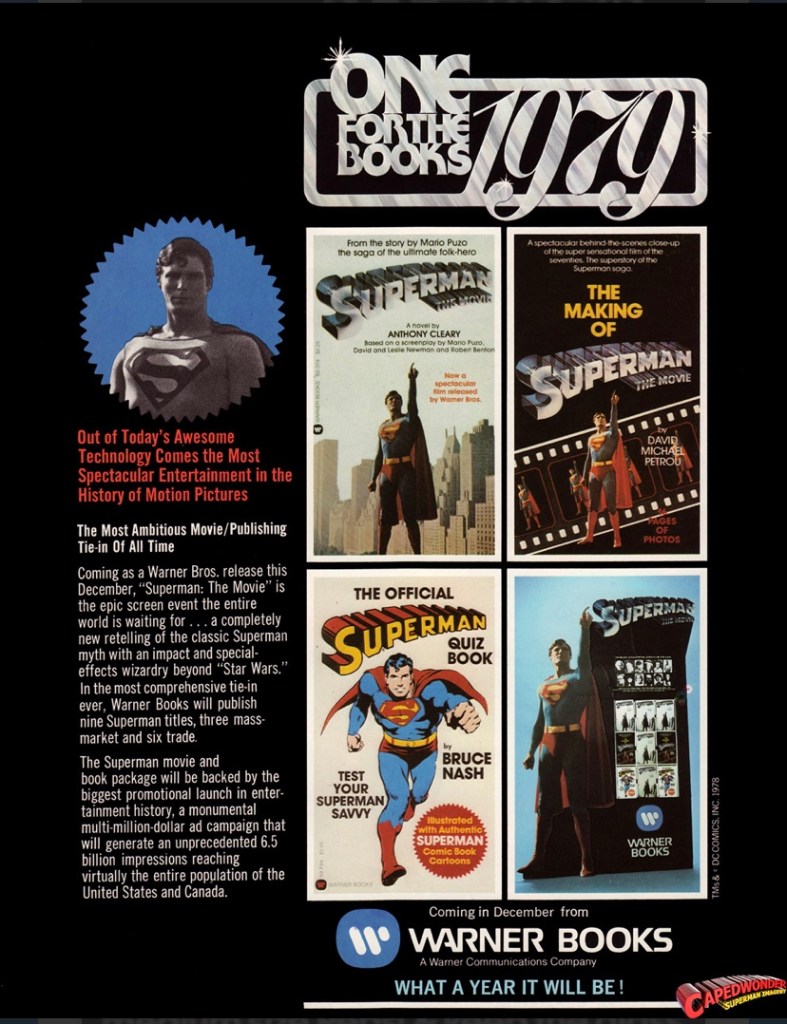
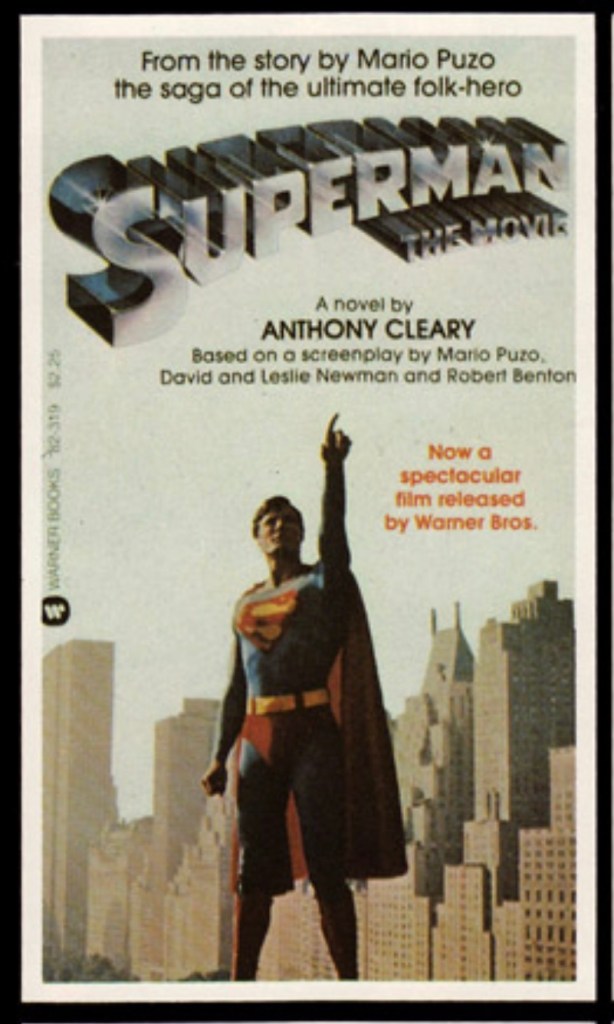
In preparing for the film, Warner Bros. prepared a marketing display of numerous books to tie in to the film, and among them was a novelization of the book by writer Anthony Cleary, which was scheduled for release on November 1, 1978, a month and a half before the film’s release. In looking at the front cover, one can see an interesting note: “Based on a screenplay by Mario Puzo, David and Leslie Newman, and Robert Benton”. This means that he had access to the Newman/Benton script from 1976 and not the Tom Mankiewicz revisions from 1977, which means we would have seen numerous camp elements in the book such as Lex Luthor eating Kleenex, Otis flushing a toilet and the toilet descending into the lower depths of Metropolis, Superman catching Telly Savalas and Savalas quipping, “Who loves ya, baby?” and who knows what other elements. So that means the novelization would have been greatly different from the final film.
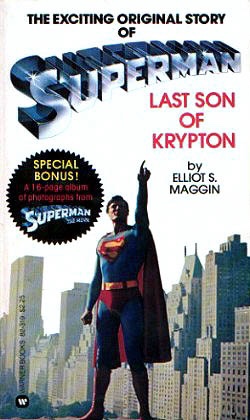
Then almost at the last minute, the novelization was pulled, and instead fans found a tie-in novel called Superman: Last Son of Krypton, written by longtime comics writer Elliot S. Maggin.
What had happened to the Cleary novelization? Well, we have Mario Puzo to thank for that. When he was contracted to write the screenplay for the film, he had a clause stating in his contract that if any elements of his screenplay made it into any other form of media, then he would receive a huge settlement. This included his portrayal of the planet Krypton and the subsequent Fortress of Solitude as seen in the final film. He also included a number of elements in his script that didn’t make it into the film. According to writer David Michael Petrou in his book “The Making of Superman: The Movie”, the main city of Kryptonopolis would appear several times in the film; there would be villainous characters such as Jax-Ur, Professor Vakox, and Kru-El; all of the members of the Kryptonian council would have a huge S shield on their cloaks; there would also be a huge S shield on the wall of the council chamber; and whoever would play Superman would also play his father Jor-El at the start of the film, given that two characters greatly resembled each other at that period of time in the comics.
As a result of the Puzo clause, the Cleary novelization was scrapped, and Maggin’s original novel was released instead. The novel, while following the traditional elements of the Superman origin story, would have seen Superman being mentored by Albert Einstein and possibly being groomed to join the Green Lantern Corps, and Superman teaming up with Lex Luthor to stop an intergalactic foe. In 1996 Maggin detailed the origins of his novel:
“Last Son of Krypton started out as a treatment for a movie – the Superman movie that I was trying to convince DC Comics needed to be made as far back as 1974. When Mario Puzo showed up at the office one day to tell me he’d gotten an assignment to write a Superman movie and would I spend a couple of days with him telling him who the character was, I was thrilled and disappointed. I spent two days with Puzo, telling stories and smoking enormous cigars, and had a fine time. Then I took my ignored little treatment upstairs to Warner Books where a senior editor said go ahead and write a novel out of it. I did, and through a series of unlikely events, the novel was published the same day as the movie was released, and became a bestseller.”
Maggin continued, “The book was released when I lived in New Hampshire, the day Superman: The Movie was released. I got a frantic phone call that week from the guy who was president of DC Comics (Sol Harrison) saying that Alexander Salkind – the producer of the movie – wanted to sue me. Apparently someone had finally read him the book or something, and he thought there were too many incidents in common with the movie. I said that I had not seen the movie or read the script, but that I had handed in my manuscript a full year before Mario Puzo handed in his script, and owing to my conversations with Puzo. I told this guy where to look for proof of that, and said maybe I should sue Salkind.”
The original novel did well and sold thousands of copies, and to this day it is highly sought after by Superman fans. In addition to the original story, it also included a photo album of sixteen pages of photos from the film, indicating the characters and their portrayers. Most interesting is that Christopher Reeve’s name is not mentioned in the photo album with the characters of Clark Kent and Superman (which is an equally interesting throwback to the two “Superman” serials when Kirk Alyn was mentioned nowhere in the credits as portraying the Man of Steel).
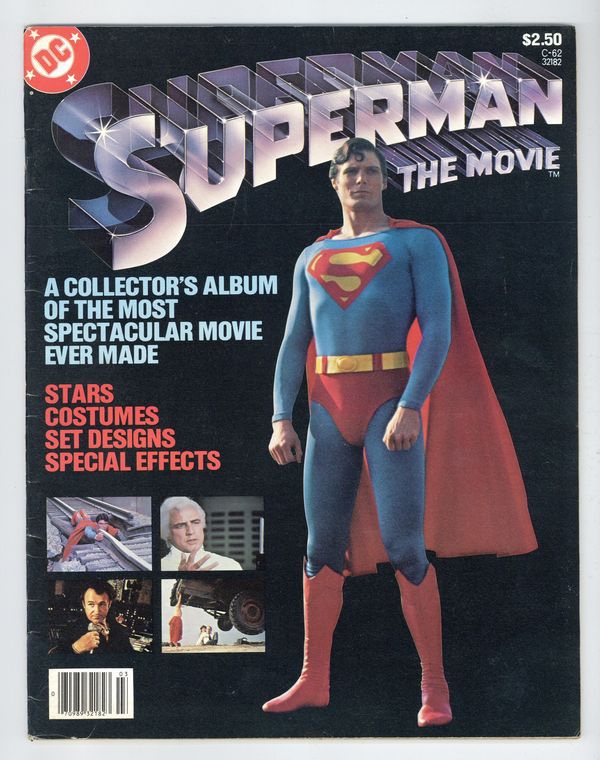
And there was no comics adaptation from DC Comics either, given the clause in the Puzo contract. To that end they published a giant-sized 64-page movie albums that tied in to the film, complete with behind the scenes photos and interviews with cast and crew members on some of the various aspects of making the film. That, too, became a huge bestseller for DC Comics, and it it still sought out as a highly collectible item for anyone’s Superman collection.
I do have to mention this. In 1979 we would see a few elements from the film brought to animated form in the fourth season of “The World’s Greatest Super Friends!” That particular season, which consisted of only eight episodes, would adapt elements from many different sources, so the creators obviously researched their literature well for this season. In the episode “Rub Three Times for Disaster”, we are shown the exterior of the Fortress of Solitude, which is obviously inspired by John Barry’s designs for the film. And the episode “Lex Luthor Strikes Back” contains even more elements that harken back to the film, including Lex Luthor’s underground lair, a Lois Lane that looks suspiciously like the late Margot Kidder, and Luthor’s assisted Orville Gump, who dresses like a certain character played by Ned Beatty – perhaps Otis and Orville are identical twins? For years I considered this episode as a quasi-sort of sequel to Superman: The Movie, not knowing what would come next in the series.
A few years later DC Comics would start integrating elements of the films into its comic book series, slowly at first as little Easter eggs to the fans. In one comic book, I forget the story, an intergalactic villain is seen with the skulls of his victims on a shelf in his lair, and one of them bears the name Otis. (Looks like we know what happened to him!) In another issue circa 1982-83 we see screenwriters David and Leslie Newman mentioned by name as they are consulted on the script for a Superman movie project starring Gregory Reed, a running storyline of the 1970s and 1980s where a Superman movie series was filmed in Metropolis. And in a birthday tribute to longtime DC Comics editor Julius Schwartz, Superman flies him to a parallel Earth, and one passerby commented, “Don’t tell me there making another one of those movies again!” There had even been some cross-promotion for the film in a couple of comics stories and, most memorably, in a special Sunday edition of the World’s Greatest Superheroes syndicated comic strip, where Superman flies through Metropolis and asks himself, “I wonder what’s been happening since I was gone…” and in the background we see a movie marquee for the film. But it would not be until 2006 when we would see the crystal Fortress of Solitude shown in the comics for the first time. And the TV series Smallville would also incorporate elements from the films throughout the series, owing to the show’s love and affection for the now-classic films.
In October 1980, when HBO acquired the rights to broadcast Superman: The Movie on television, they had access to the complete theatrical cut of the film. As fans know, Warner Home Video (then known as WCI Home Video) issued a truncated 127-minute cut of the film that was poorly panned and scanned, and sped up to process the entire film on one videotape, owing to the technology of the time. Some of the scenes were edited, and the film’s lengthy eight-minute end credits sequence was almost completely cut. HBO would run a 142-minute version of the film that was tweaked ever so slightly, and only serious fans could catch where the tweaks occurred. I myself can recall three such tweaks during the film. (If anyone has a video of that 1980 HBO broadcast in their collection, please let me know!)
What I did was use my audiotape recorder and I taped the audio of the film for my collection. I did that for several different movies until my parents bought our first VCR for a graduation gift from high school for me in 1984. I took those audiotapes, and in the fall of 1980 I wrote out my own adaptation of Superman. Some of the bullies in my class made fun of me for spending more time writing and no time wanting to be like them. It was 125 pages in length and was crude, but for a kid all of fourteen years old I thought it was pretty cool. I had done it all for fun. Some time later it got thrown out, I forget when, but looking back part of me wishes I still had it to this day.
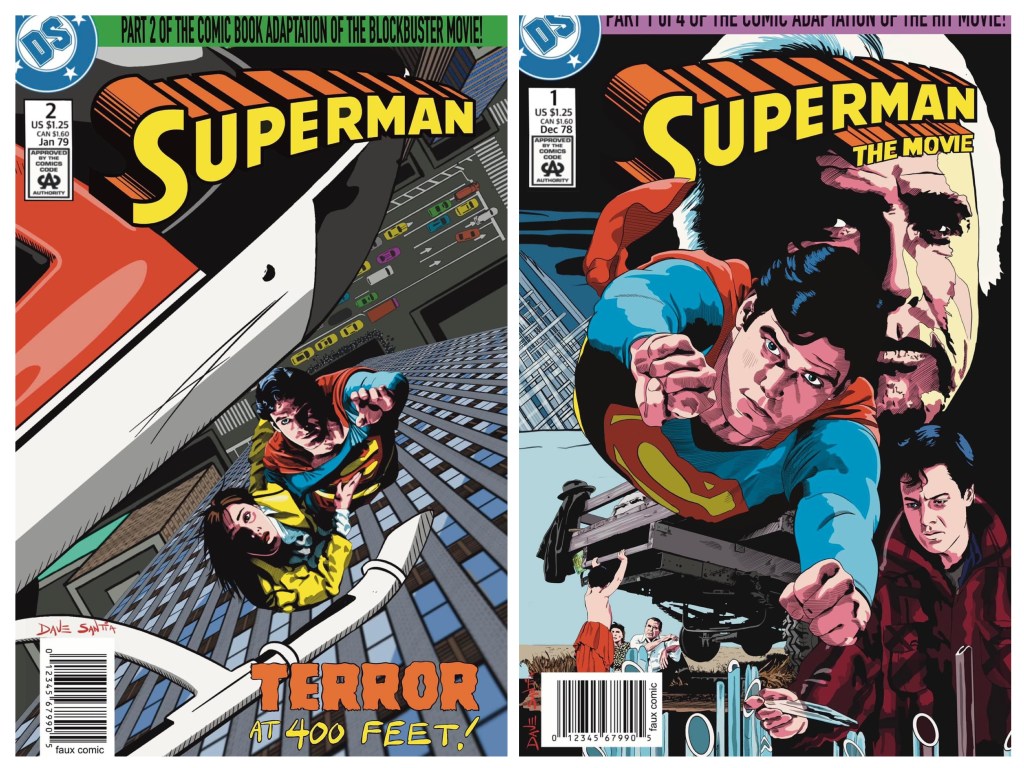
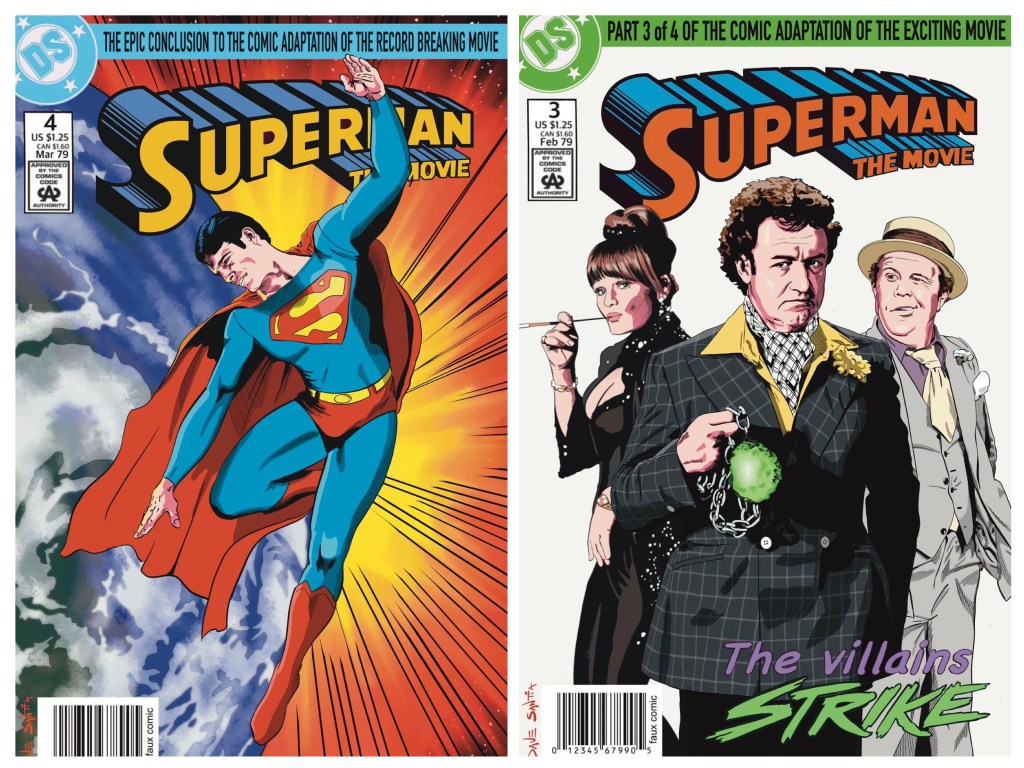
Recently, artist Dave Santia did a tribute to Superman: The Movie in the form of four separate illustrations that beautifully recreate moments from the film, while giving fans a taste of what a comic book adaptation would have looked like. Dave is a wonderful artist whom I met in Detroit earlier this year at the Christopher Reeve Legacy Reunion, and his artwork can be found on Facebook.
But the fun doesn’t end there. In my next installment on the blog I will discuss the novelizations and adaptations for the three Superman sequels that would follow in the 1980s.
-
The Mission Statement

I want to thank everyone who has shared their support for Superman: The Blog! The feedback I have received so far has been overwhelmingly positive, which means I’m off to a good start!
Obviously I’m on the ground level of this blog and laying down the foundation for everything to come, and I have numerous thoughts running in my head about the content that I will share. This will include the many pieces I have written over the years for CapedWonder.com as well as new and original content that I will create exclusively for this blog. The fact that I’m considering original ideas for the blog while I sleep must mean that I’m an overthinker, right?
I will also develop a Facebook page to link to my blog so people can follow along as the blog continues to grow in time, and I also hope to connect with the many Superman sites around the world. As Superman himself said at the end of the first film, we’re all part of the same team!
But for now there has to be a mission statement for this blog to lay down as the cornerstone for everything to come. So here it is, pure and simple:
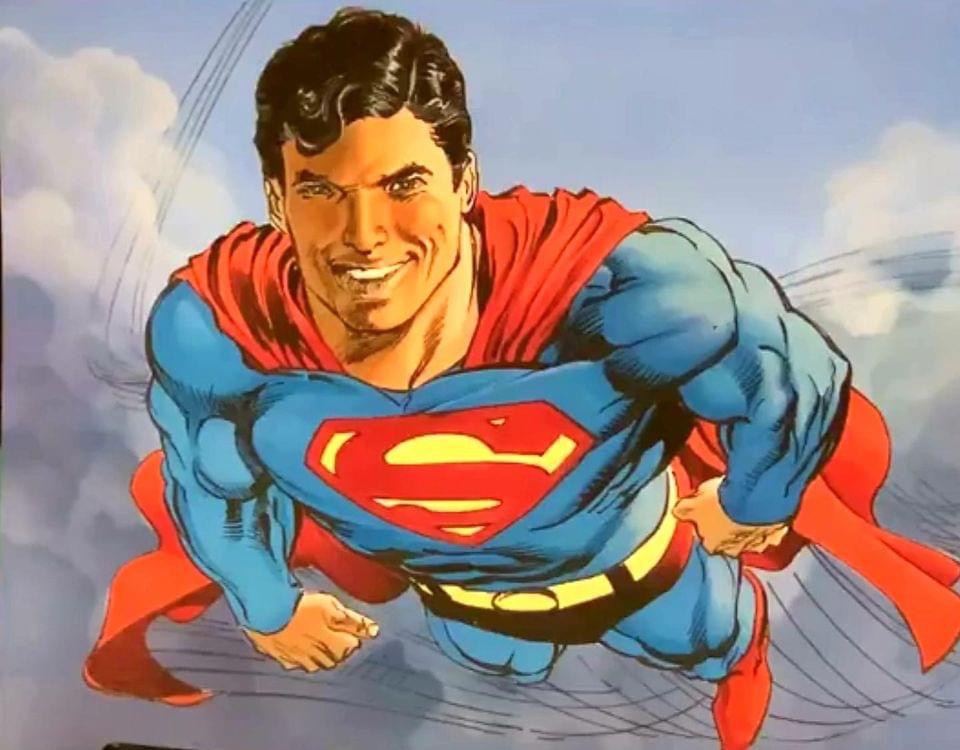
The mission of Superman: The Blog is to honor the work of actor Christopher Reeve; directors Richard Donner, Richard Lester, and Sidney J. Furie; and the many actors, writers, producers, and crew members of the “Superman” film series.
That sounds like a good statement, would you agree?
-
Welcome!
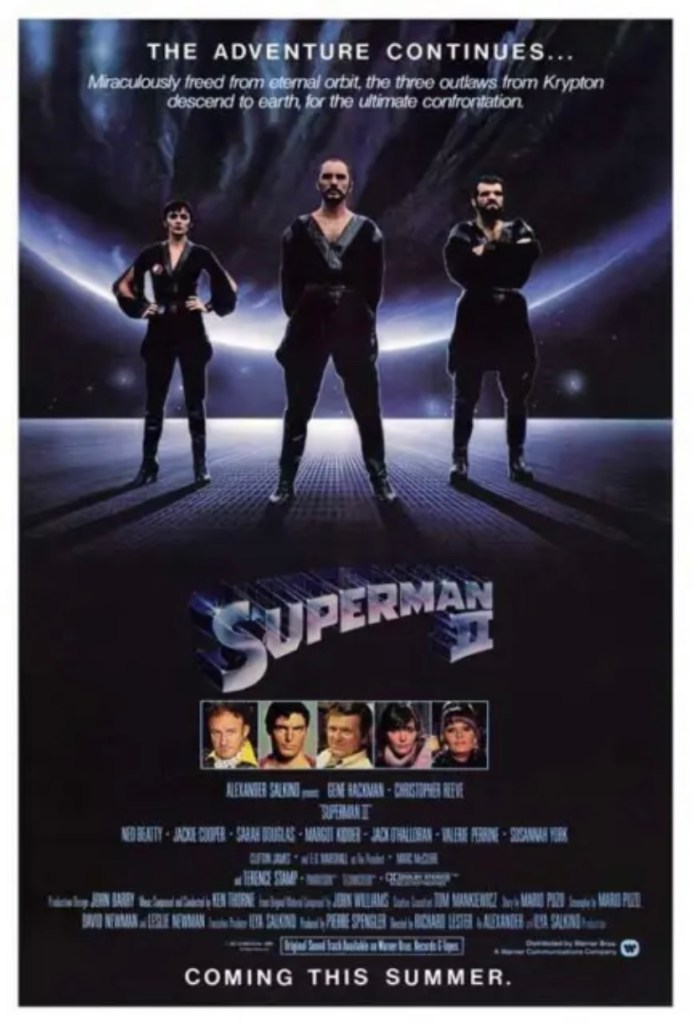
So you’re probably wondering, why start off the blog with Part II of the adaptation analysis, and then go back to the beginning?
It’s simple, really… I found WordPress. For some reason as I launched my blog on Google Blogger, it didn’t give me the proper access to photos and media that I needed to make the blog visual like I needed to. WordPress does. So just bear with me as I bring the blog up to speed here. It’s good that I didn’t get very far before I made the switch. Porting and updating three blogs is one thing. Porting dozens of them would be a lot more chaotic. So thank you for your patience, fellow readers!
Welcome to Superman: The Blog! This is your introduction to all things related to the Christopher Reeve “Superman” movies.
A little background information: I’m Bill Williams, and I’ve been a Superman fan for many years, beginning with the comics, the “Super Friends” animated series, and reruns of the George Reeves “Adventures of Superman” series through the 1970’s. But it was with the release of “Superman: The Movie” in December 1978 that really began my lifelong love for the character and the iconic portrayal by Christopher Reeve that would span four films over the next nine years.
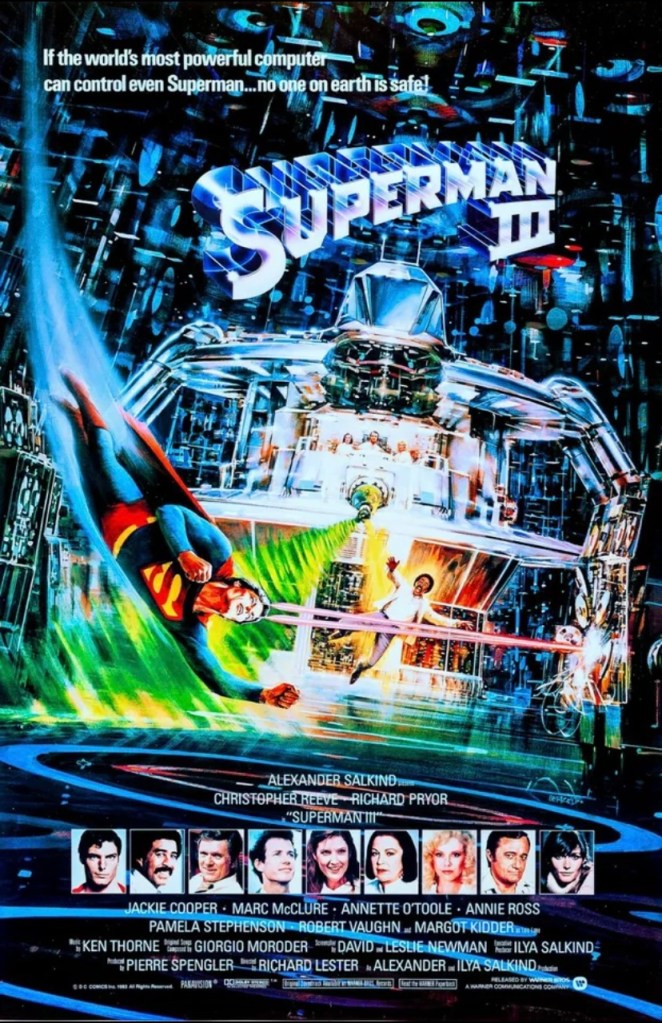
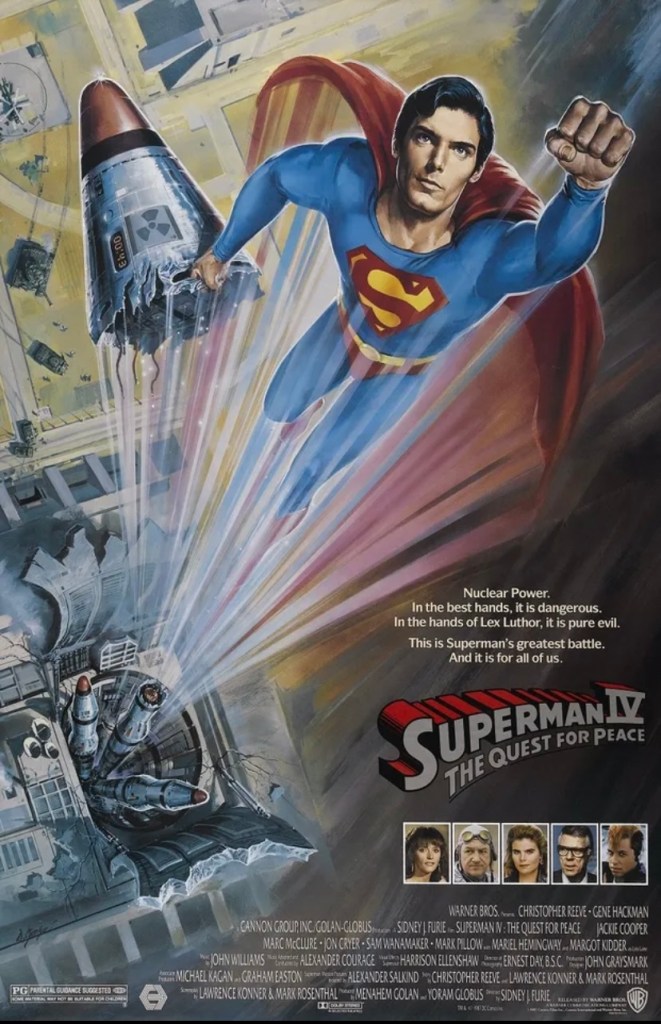
During that time I began to read and study various aspects of the “Superman” films, particularly the varying styles and differences in the filmmaking process of “Superman II” under Richard Donner in 1977 and Richard Lester in 1979-80, as well as the mystery of what happened to “Superman IV” and the unfortunate butchering of the film from its original 134-minute cut to the final 89-minute theatrical cut (or 92 minutes, depending on where you live).
With the advent of the Internet in the 1990’s, I began to search various websites which led me to Superman Cinema, Superman Web Central, and message boards. In the process this led me to meeting numerous fans from around the world and a number of great friendships both online and in person which continue to this day. I have also continued to contribute to CapedWonder.com, hosted by Jim Bowers, with numerous articles and commentaries as well.
I love to write. I’ve continually written since I was 14, with one of the first things being my own crude adaptation of “Superman: The Movie”, as there was no such adaptation at the time. This has led to a love of writing for school newspapers in high school and college, poetry, script submissions, online articles for different websites, and several independent books I have self-published through Amazon since 2015, including “The Miracle Year, Books 1 and 2”, “Lest We Forget: My Dad, the 379th, and the Story of the 102nd Infantry”, “Sweeter the Second Time”, and “Deconstructing Mama”. I have ideas for future updates to the two latter books which I hope to record in time. I also have a writer’s page on Facebook where I post various articles – follow me on Facebook.com/BillWilliamsWriter for more information.
But this will be my blog for all things related to the “Superman” films. This is a launchpad, so sit back and enjoy the ride!
 Superman: The Blog